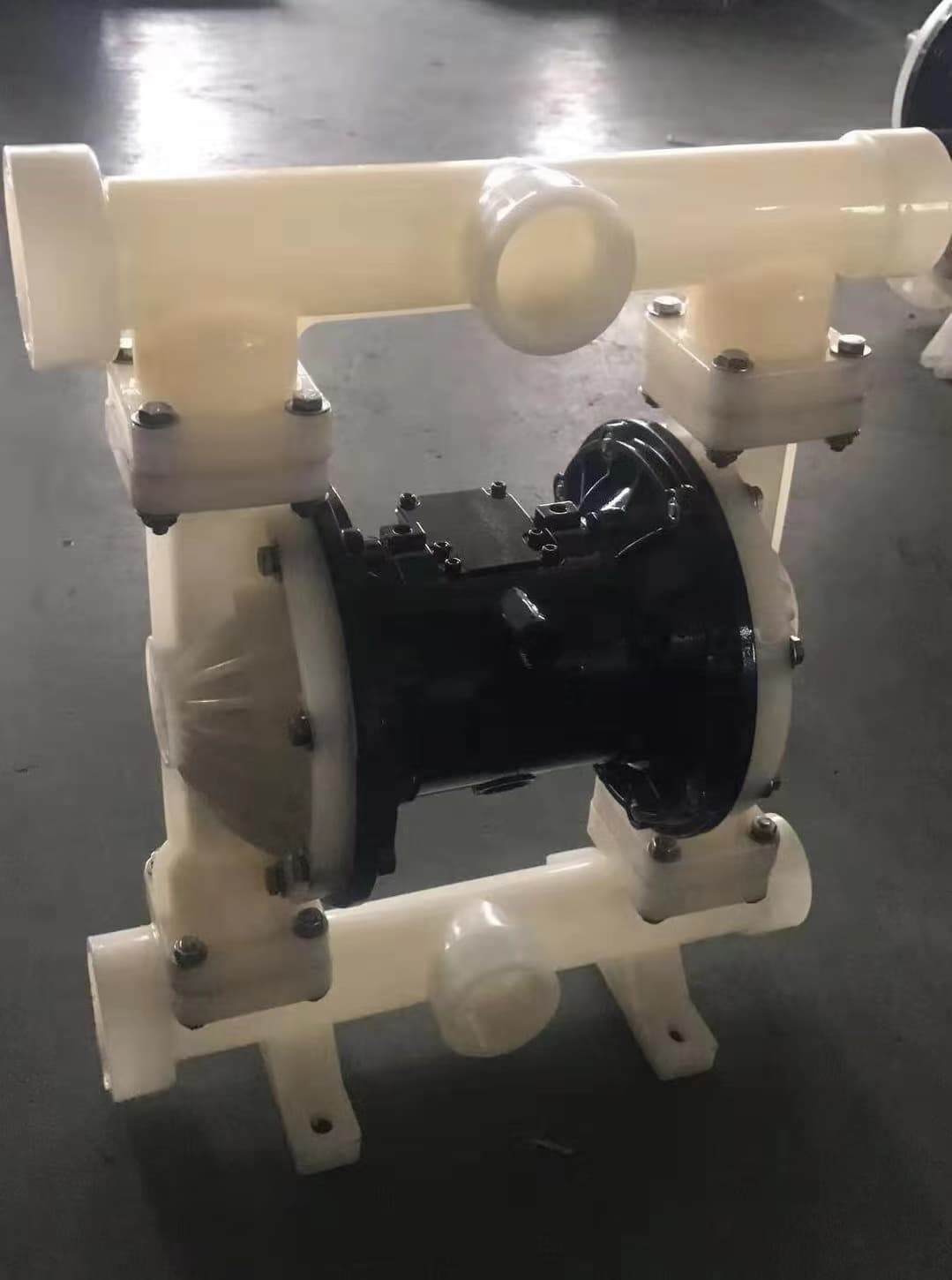
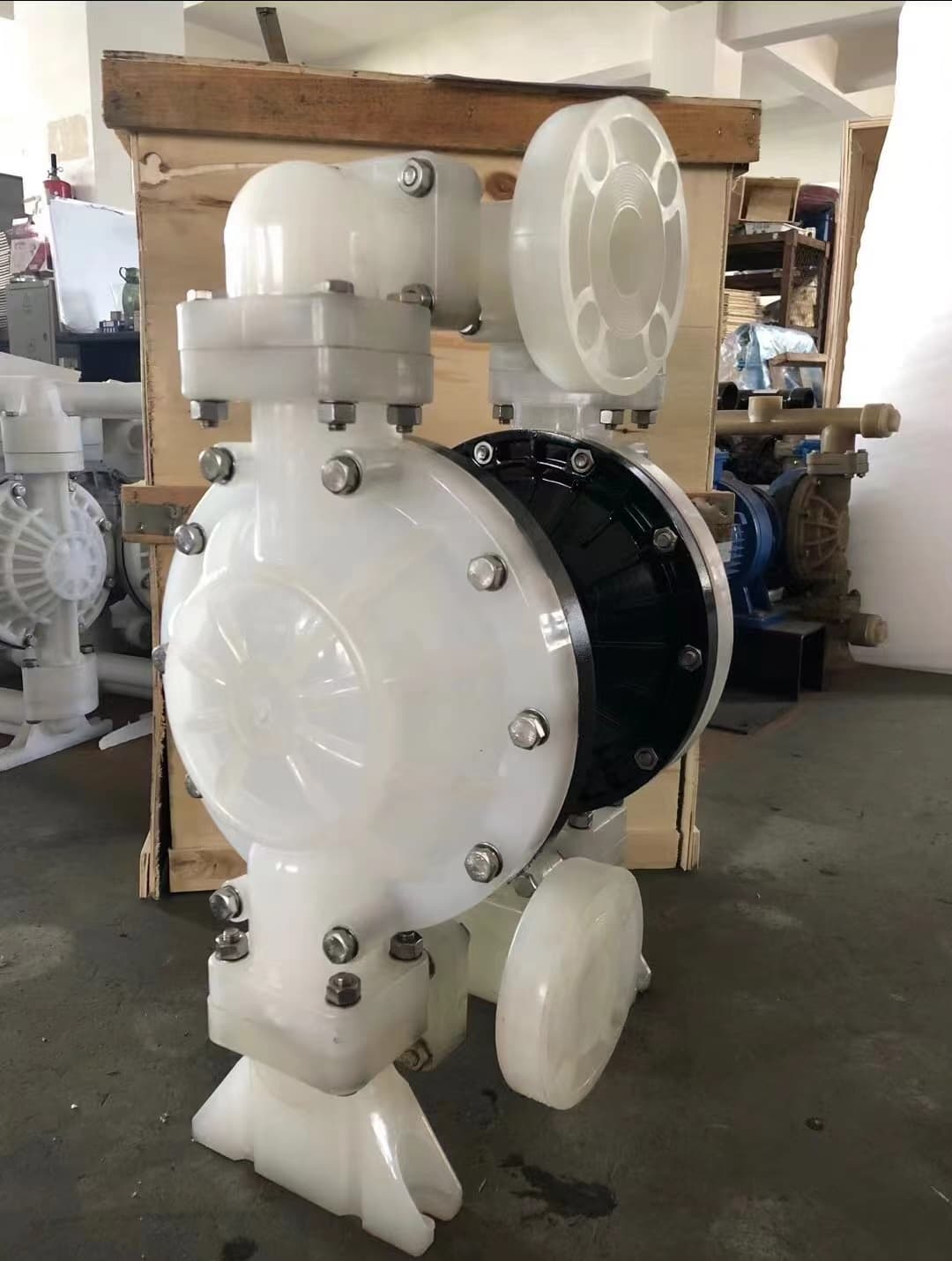
QBY Air Diaphragm Pump Sizing Guide – How to Choose the Model
Choosing a QBY comes down to four numbers and one material decision. This short guide walks through them so you can shortlist a model before you call. 1. How much flow do you need? QBY sizes span 0.8…
Choosing a QBY comes down to four numbers and one material decision. This short guide walks through them so you can shortlist a model before you call.
1. How much flow do you need?
QBY sizes span 0.8 to 30 m³/h. Small dosing duties suit the QBY-10 or QBY-15; the QBY-40 covers most general transfer; and the QBY-80 or QBY-100 handle bulk and dewatering. Pick the model whose maximum flow sits comfortably above your requirement, since you can always throttle back.
2. What is the head and suction lift?
Every QBY delivers up to about 60 m of head and lifts 5 to 7 m on suction. If your lift is near the top of that band, favour a larger model, which primes more strongly.
3. How big are the solids?
Match the port to the particle: the QBY-25 passes 2.5 mm, the QBY-40 about 4.5 mm, and the QBY-80/100 up to 10 mm. When in doubt, size up — an oversized solids path rarely hurts.
4. What is the fluid, and how hot?
The medium sets the body and diaphragm: PP or stainless for corrosives, cast iron or aluminium for oils and slurry; PTFE/FKM diaphragms for solvents and acids, NBR for oils. PP tops out near 120 °C, metal with PTFE near 150 °C.
Applications: chemical processing, food and beverage, ceramics, mining, wastewater, coatings, general industry
Thank you for visiting HAQUANPUMP, a professional sewage pump manufacturer. For QBY diaphragm pump selection, pricing or a datasheet, contact our engineers — we usually reply within 24 hours.
How much does a QBY air diaphragm pump weigh, how is it packed, and how fast can it ship? Real figures from our orders, plus the spares to order with it.

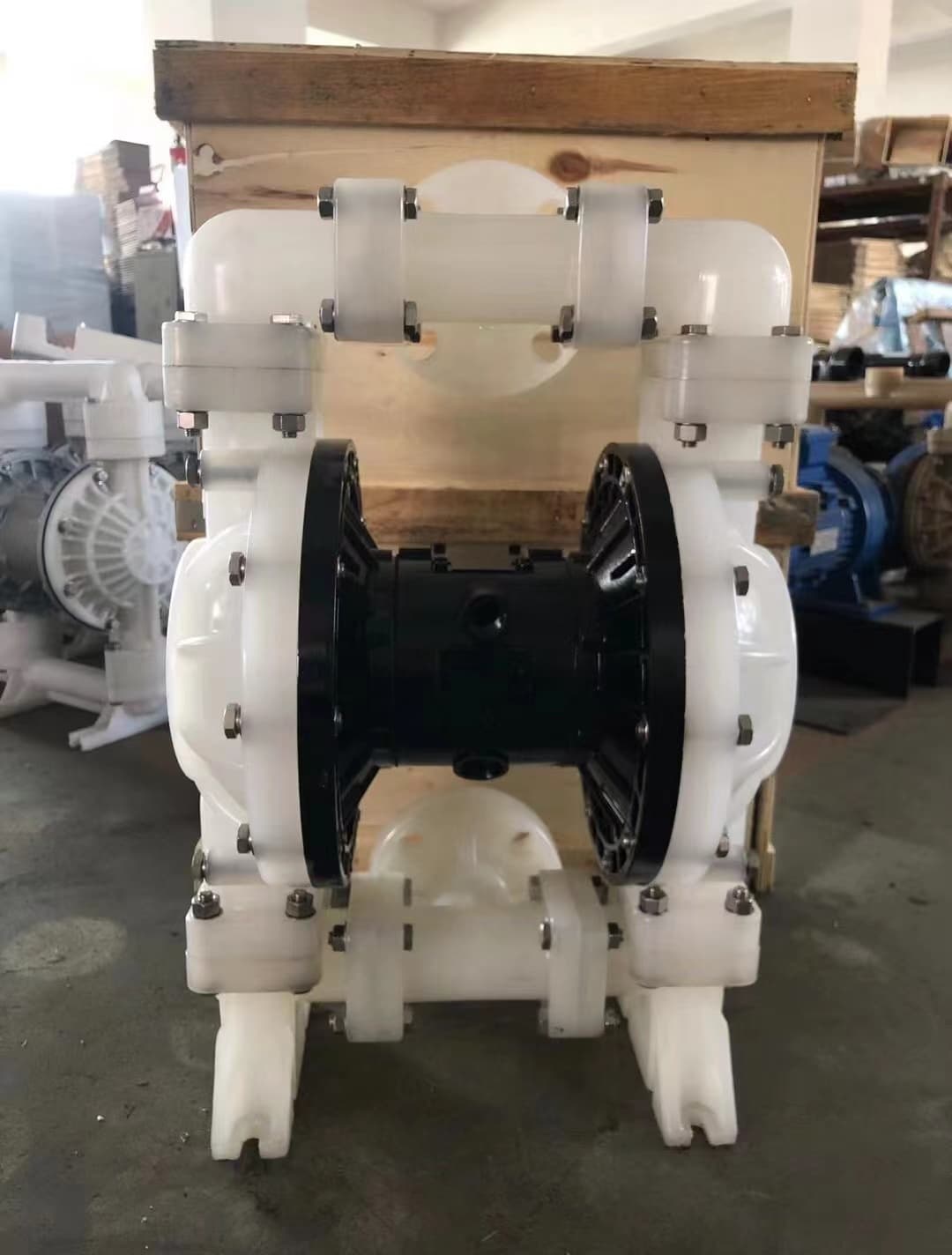
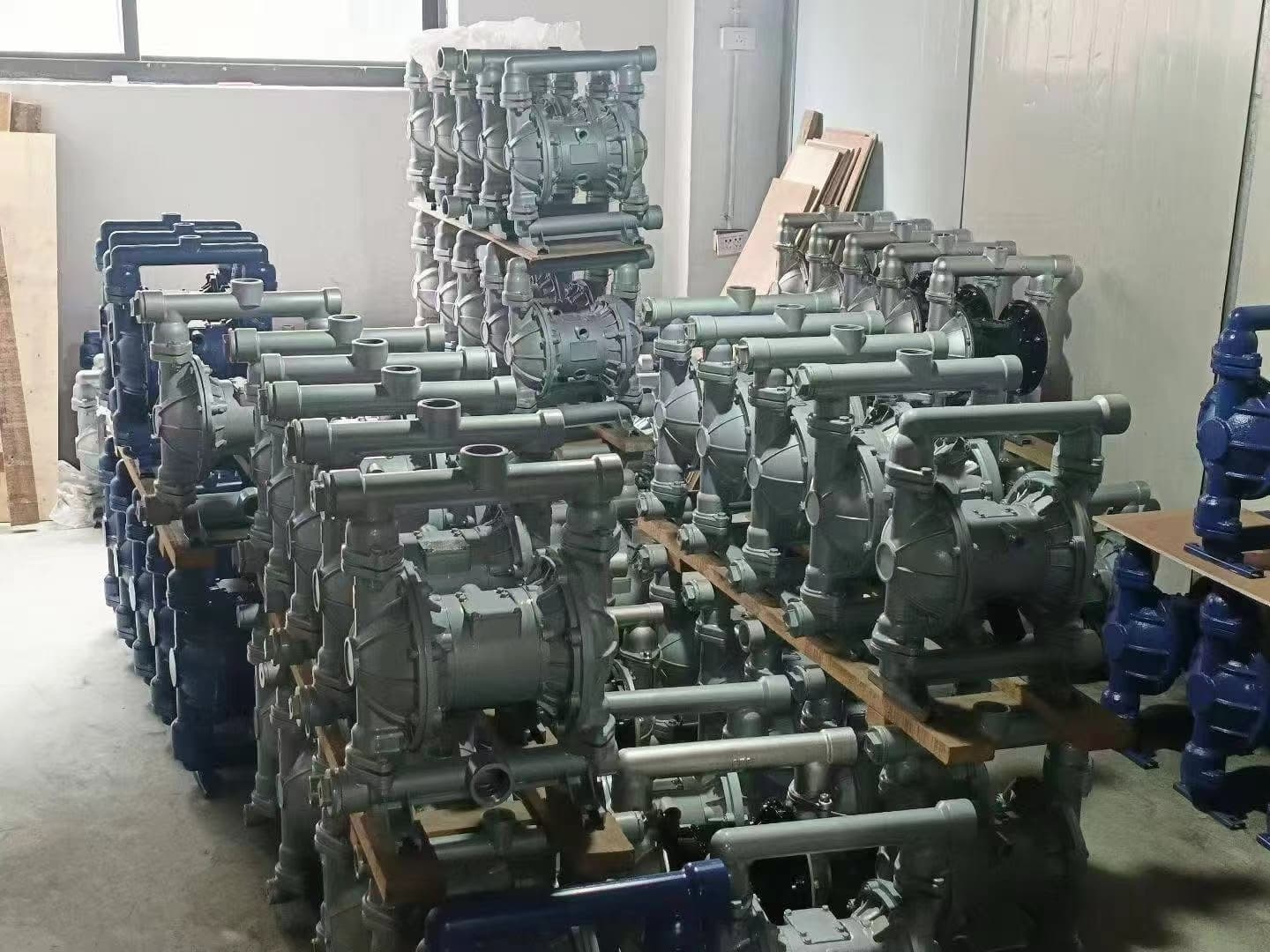 QBY Air-Operated Diaphragm Pump (AODD)