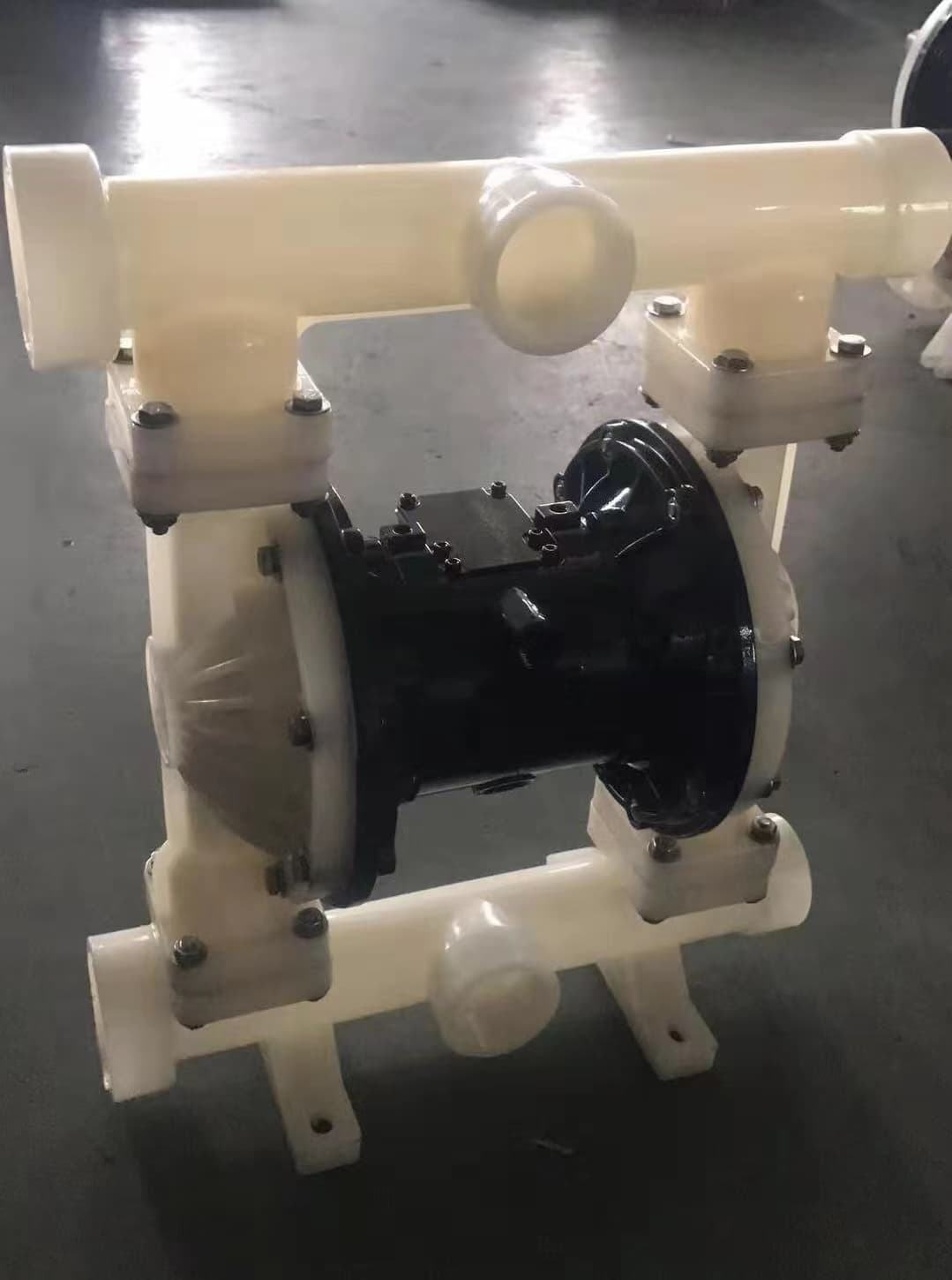
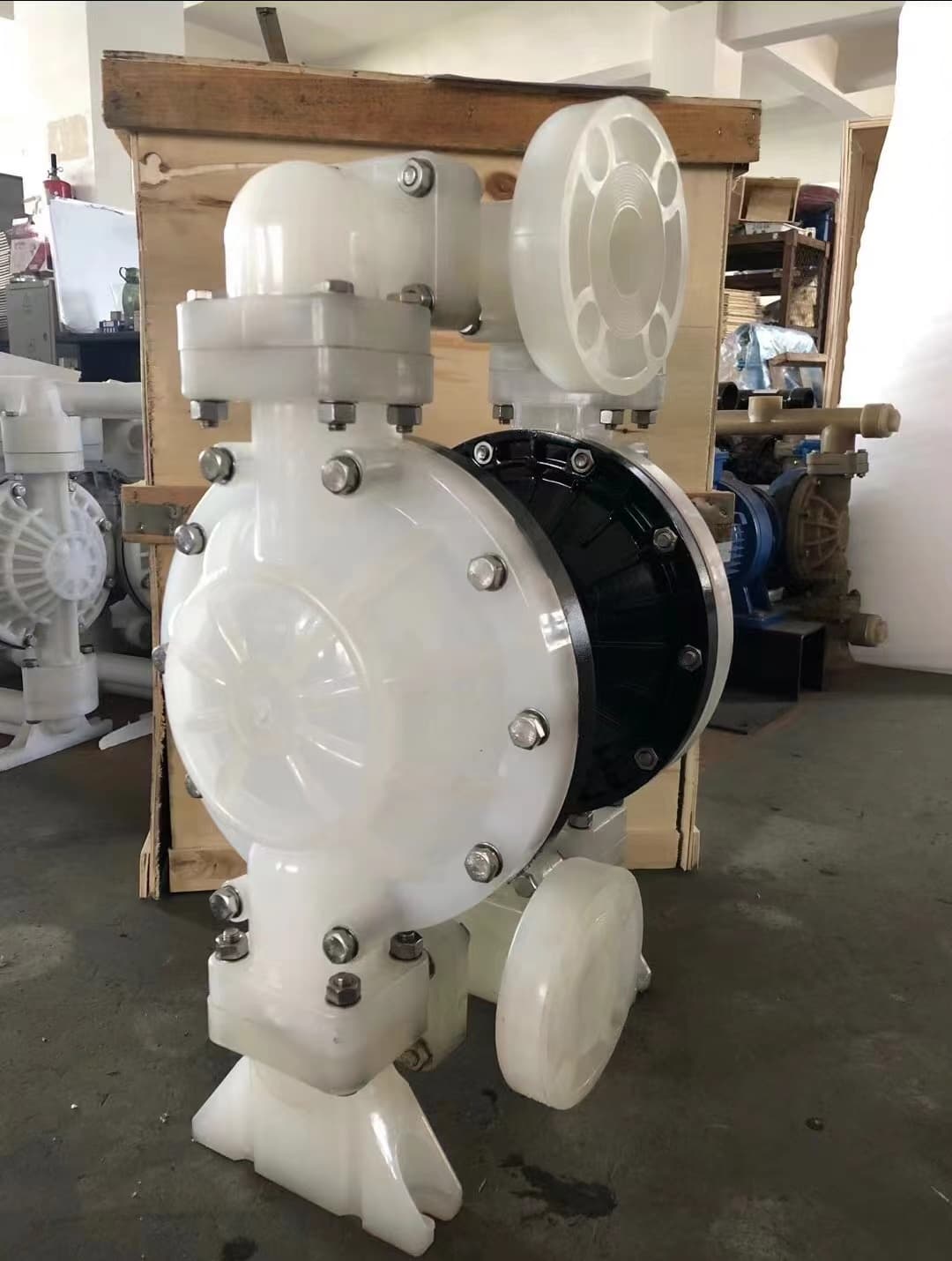
QBY pumps are simple and forgiving, but a few symptoms come up often. Here is how to read them. Always disconnect the air supply and bleed off pressure before opening a pump, and drain the fluid to a safe container first.
The pump runs but delivers little or no fluid
Usually cavitation, a stuck ball valve, or a loose inlet. Slow the pump so fluid can fill the chamber, check the inlet clamps are tight (especially near the inlet ball), and inspect the balls — if the fluid is incompatible with the elastomer, a swollen ball can jam. Fit the correct material.
The air valve is freezing up
The compressed air holds too much moisture. Install an air dryer or an FRL (filter-regulator-lubricator) triple unit on the supply.
Bubbles at the outlet, or fluid from the air exhaust
Suspect a ruptured diaphragm, or clamps that are not tight — check the inlet clamp first. Fluid escaping from the air exhaust almost always means a split diaphragm; replace it, and take care not to damage the white PTFE sealing ring on reassembly.
The pump is slow or will not start
Check the air inlet filter for dirt, clean or replace a sticking air valve, and inspect the centre-body seals. Use only light, anti-freeze lubricating oil (around ISO 15); oil that is too heavy can make the piston stick.
Applications: chemical processing, wastewater, food and beverage, ceramics, mining, coatings, general maintenance
Need the right QBY diaphragm pump for your medium and duty point? Talk to the HAQUANPUMP team — your satisfaction is our greatest pursuit.

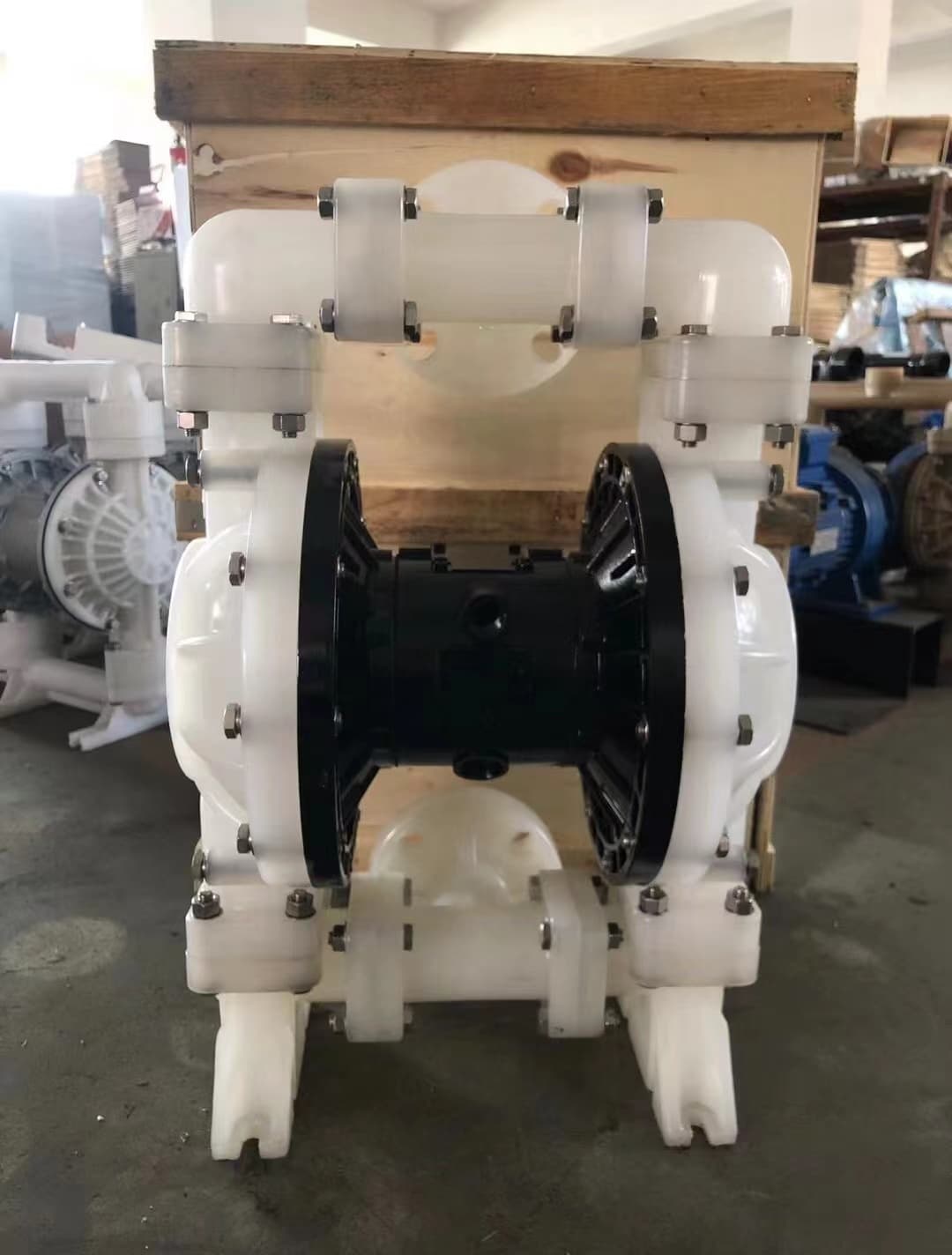
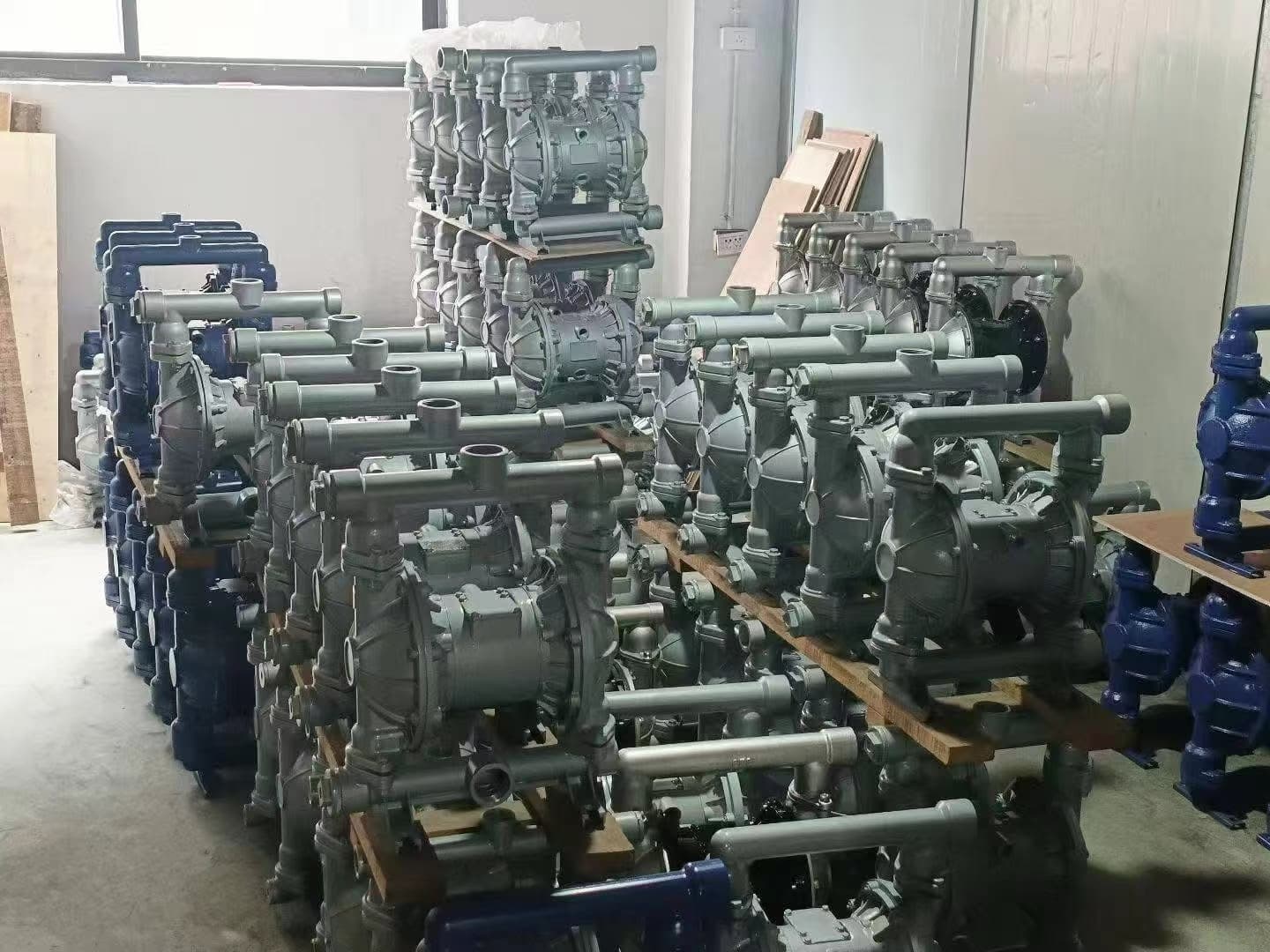 QBY Air-Operated Diaphragm Pump (AODD)