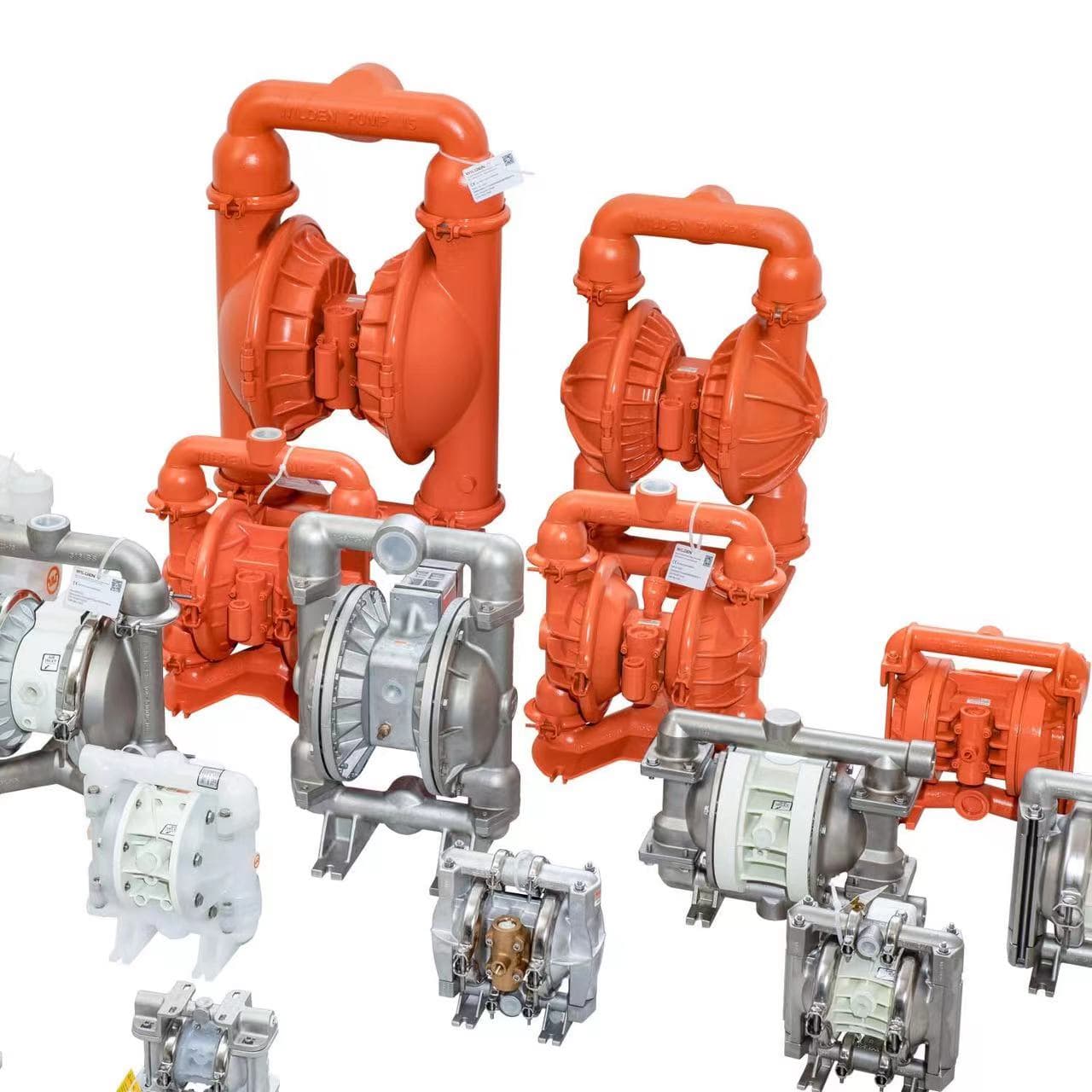
Several features of a WILDEN air-operated diaphragm pump make it a common choice for hazardous or valuable liquids. None of them replaces a proper risk assessment of your site, but they explain why these pumps are used where electric pumps are a problem.
No motor on the pump
The pump is driven by compressed air, so there is no motor or electrical component on the pump itself. For flammable liquids, the pump and pipework should be grounded, and Wilden offers conductive builds for this kind of duty.
No shaft seal
The diaphragms separate the liquid from the air side. There is no rotating shaft and no mechanical seal to leak. The diaphragm is the main wear part, so inspect it on a regular schedule, and pipe the air exhaust to a safe place when pumping hazardous liquids: if a diaphragm fails, liquid can reach the exhaust.
It stalls instead of overheating
If the discharge is blocked, the pump simply stops until the pressure drops. A standard AODD pump cannot produce more discharge pressure than its air supply, which is up to 125 psi (8.6 bar) on most metal Wilden models.
Temperature depends on materials
Limits come from the body, the air side and the elastomers together. In Wilden’s data, builds with a polypropylene air side are typically rated to 175 °F (79 °C), while aluminum air sides typically reach 220 to 225 °F (104 to 107 °C). The highest figure we found is 350 °F (177 °C) for an FKM build of the XPS830 (08-14814).
Tell us the liquid and the site conditions and we will suggest a build that suits them.


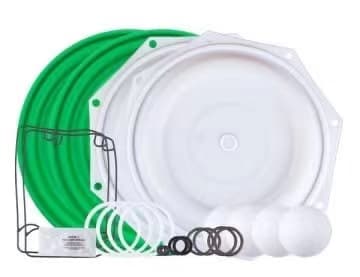
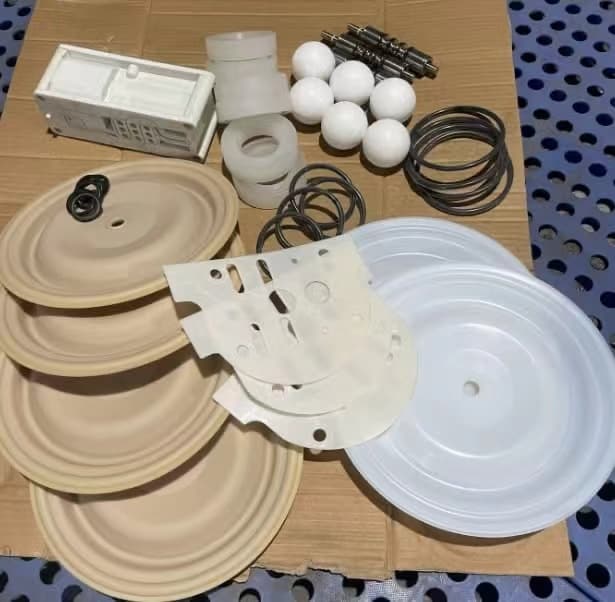 Genuine Wilden AODD Diaphragm Pumps & Spare Parts