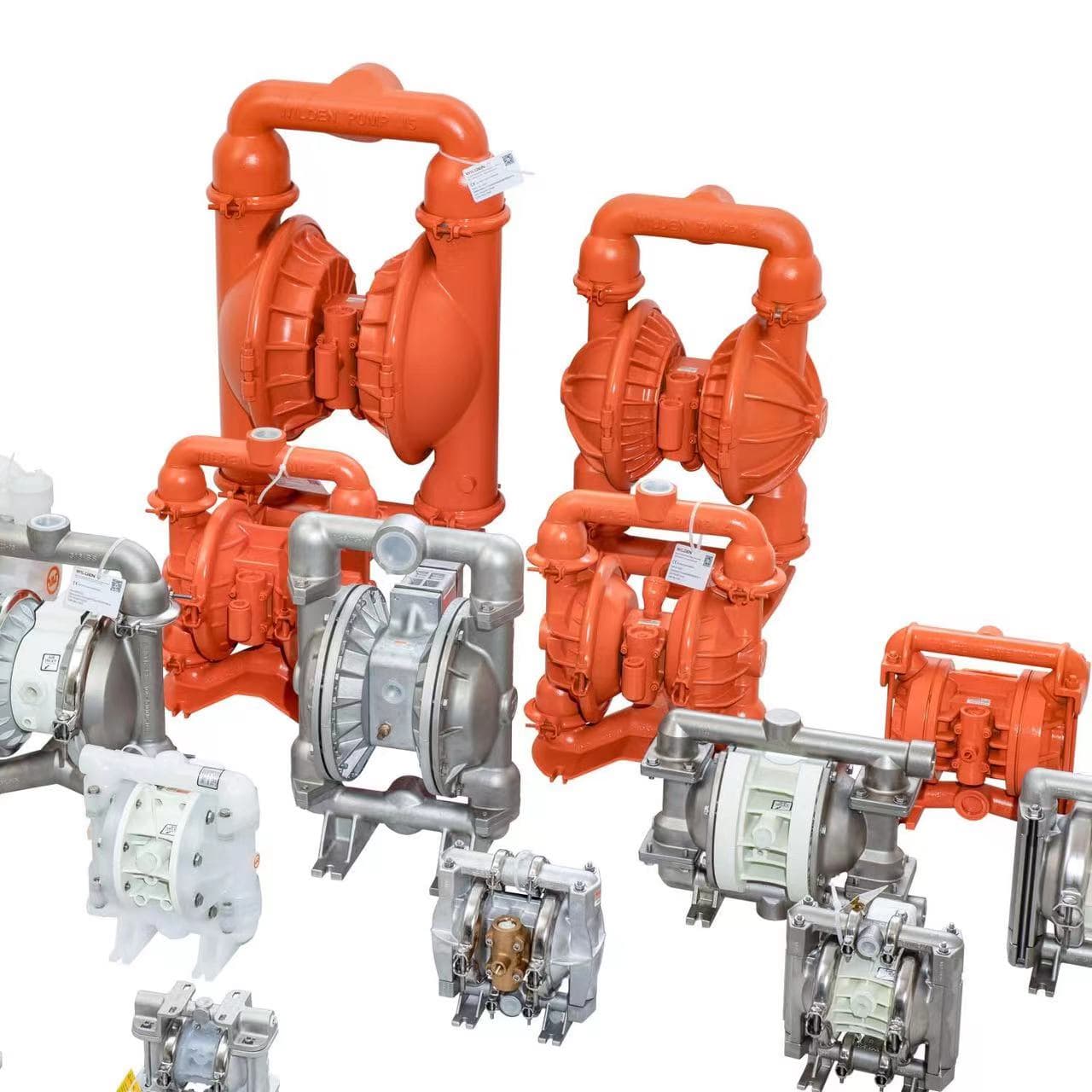
If you’ve ever replaced a pump that a chemical ate through, you already know why air-operated diaphragm pumps took over this job. There’s no shaft seal for the acid to attack, nothing that minds if the line runs dry, and — the real point — you can build the entire wetted path from a material your fluid simply can’t touch.
Getting that material right is the whole game. A pump that “works” on day one but corrodes in a month isn’t cheap; it’s expensive twice. So here’s how we actually spec them:
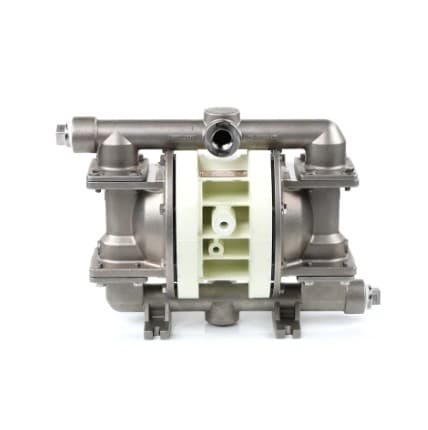
For the aggressive acids — hydrochloric, sulphuric, nitric — and most solvents, we go PVDF (Kynar) with a PTFE diaphragm, a fully fluoropolymer path that’s about as inert as it gets. For milder acids and bases, polypropylene covers a surprisingly wide range for less money. And where the fluid is a solvent or a high-purity acid that plastic won’t suit, stainless steel is the answer.
The question we always ask first is dull but decisive: what’s the fluid, at what concentration, and how hot? Give us those three and we’ll match a genuine Wilden build that lasts — and we stock the popular chemical configurations.

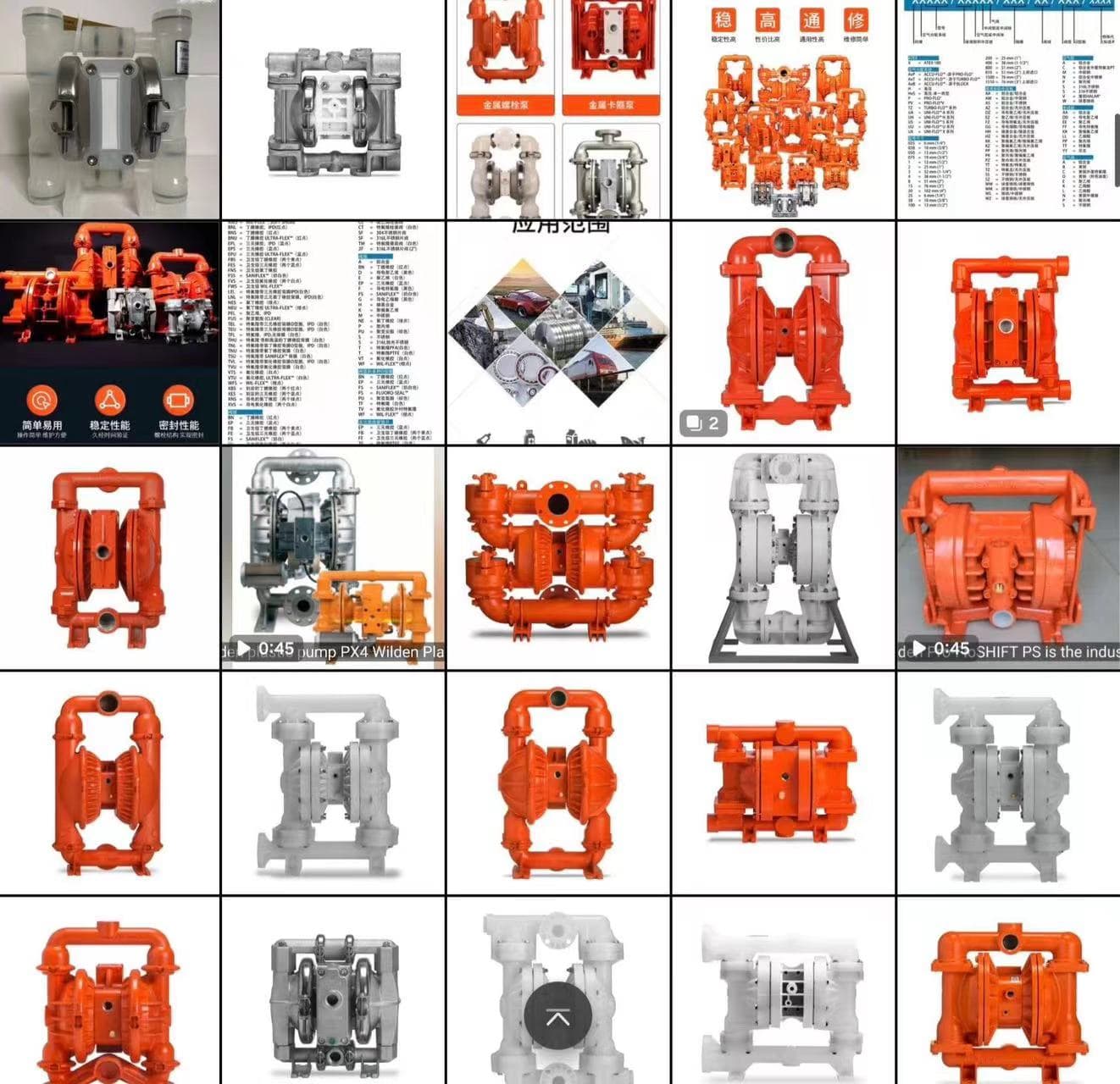
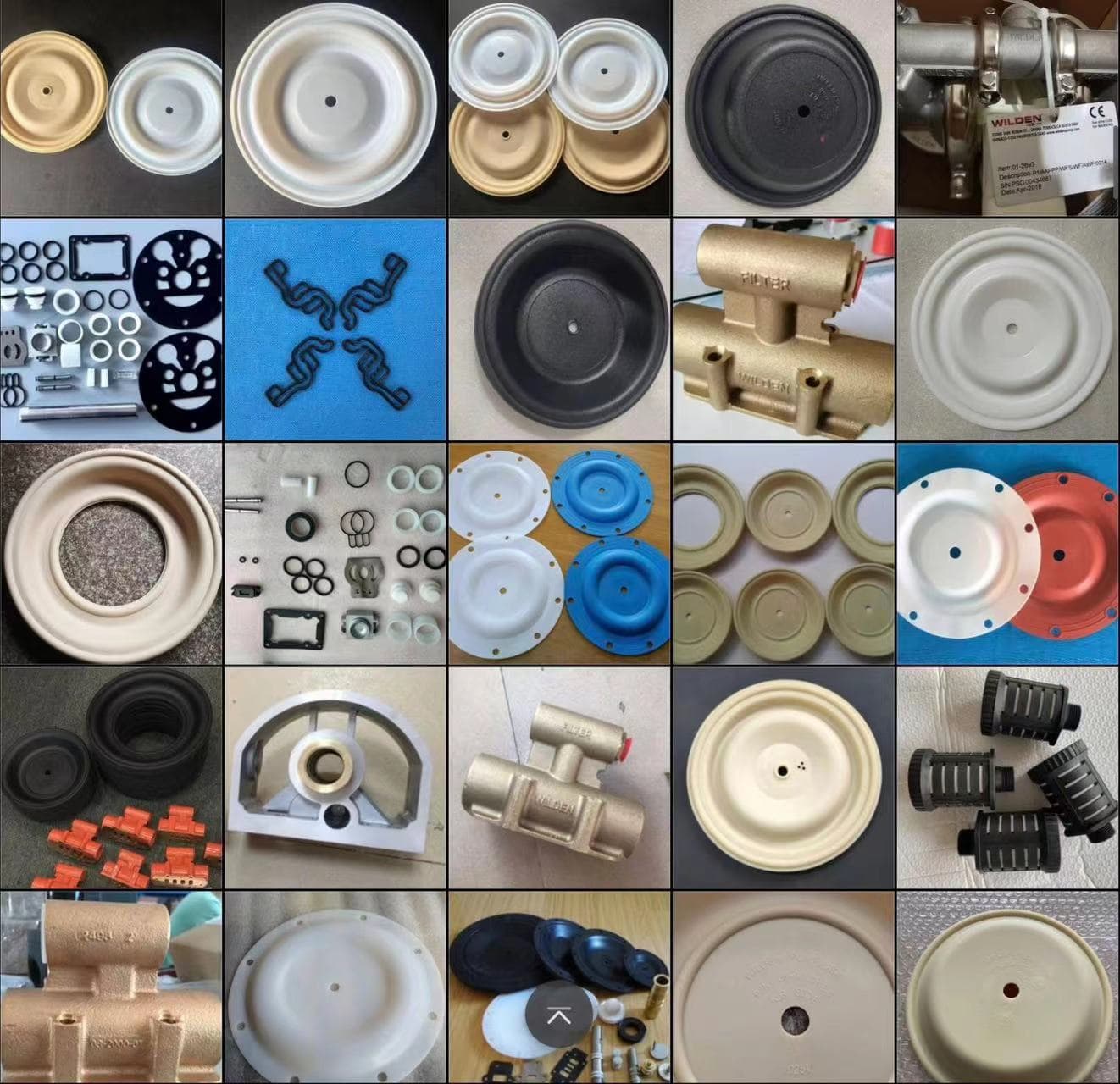
 Genuine Wilden AODD Diaphragm Pumps & Spare Parts