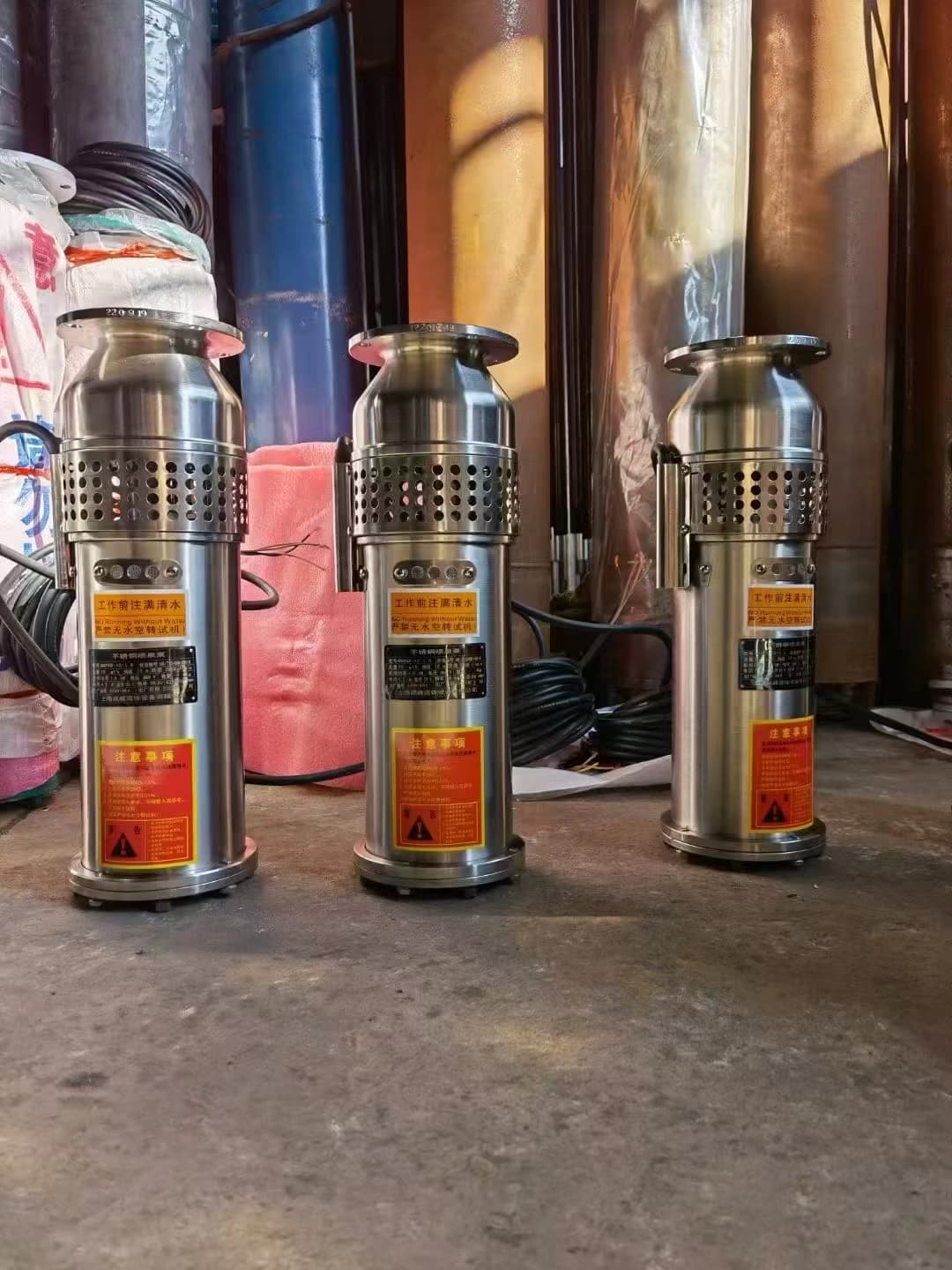
A submersible motor has no fan. All the heat it makes is carried away by the water flowing past it on the way into the pump. That simple fact explains several installation rules.
Water must flow past the motor
In the normal setting, the motor sits below the pump inlet, so the water drawn into the pump sweeps along the motor first. If the pump is set below the point where water enters the well, for example under the screen, the water can come in from above and leave the motor in still water. A flow sleeve around the motor, or a higher setting, solves this.
The motor must stay in water
If the level falls to the pump inlet, the motor is no longer cooled and the pump starts to draw air. Keep the inlet at least 1 m below the dynamic level and stop the pump at once if the water reaches the inlet.
Very low flow is a problem too
Throttling a pump almost closed reduces the cooling flow past the motor. If you need much less water than the pump gives, choose a smaller flow size or use a variable frequency drive rather than a nearly shut valve.
Warm water
Hot spring water and warm process water carry less heat away. Tell us the water temperature when you ask for a pump.

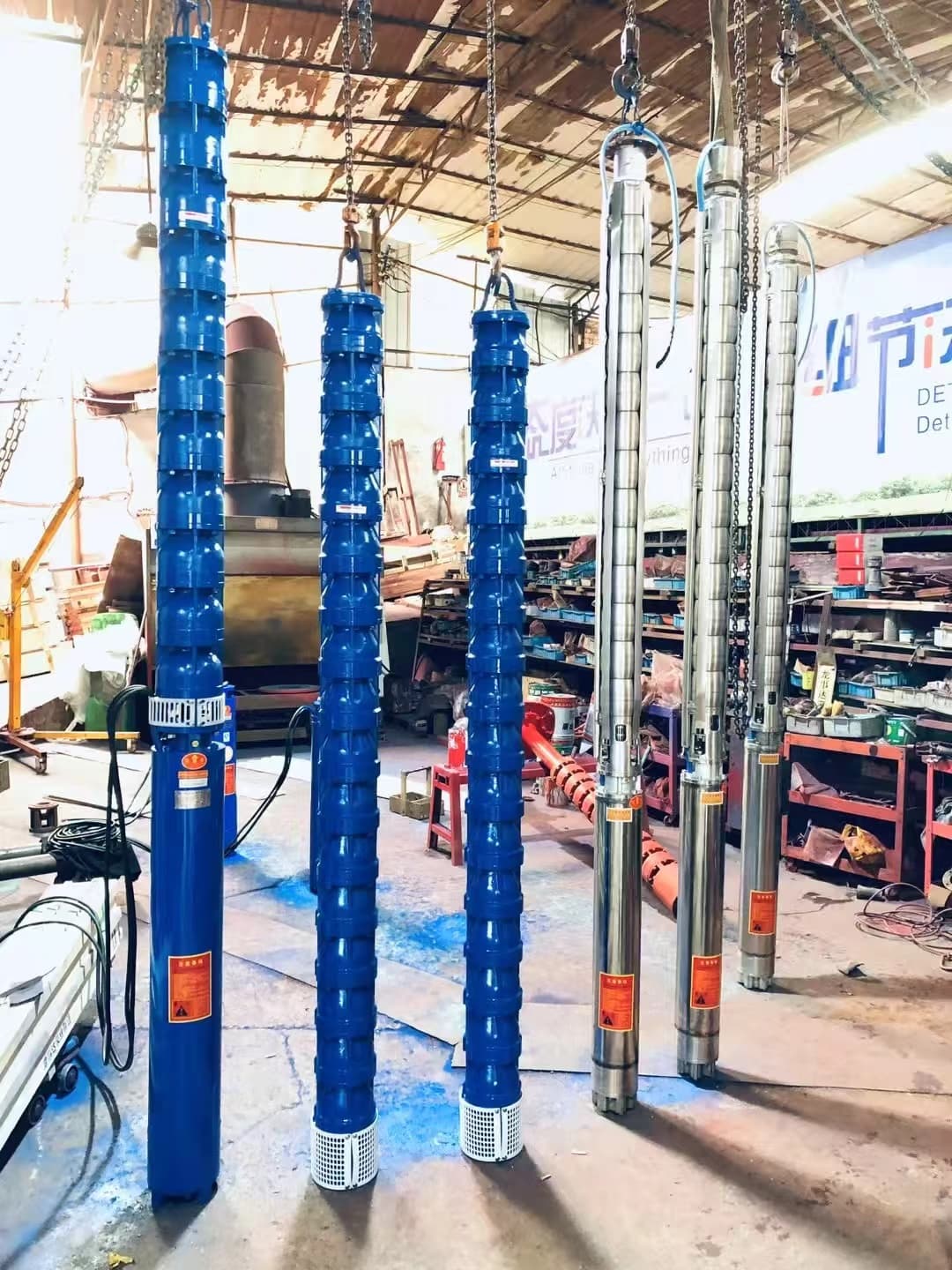
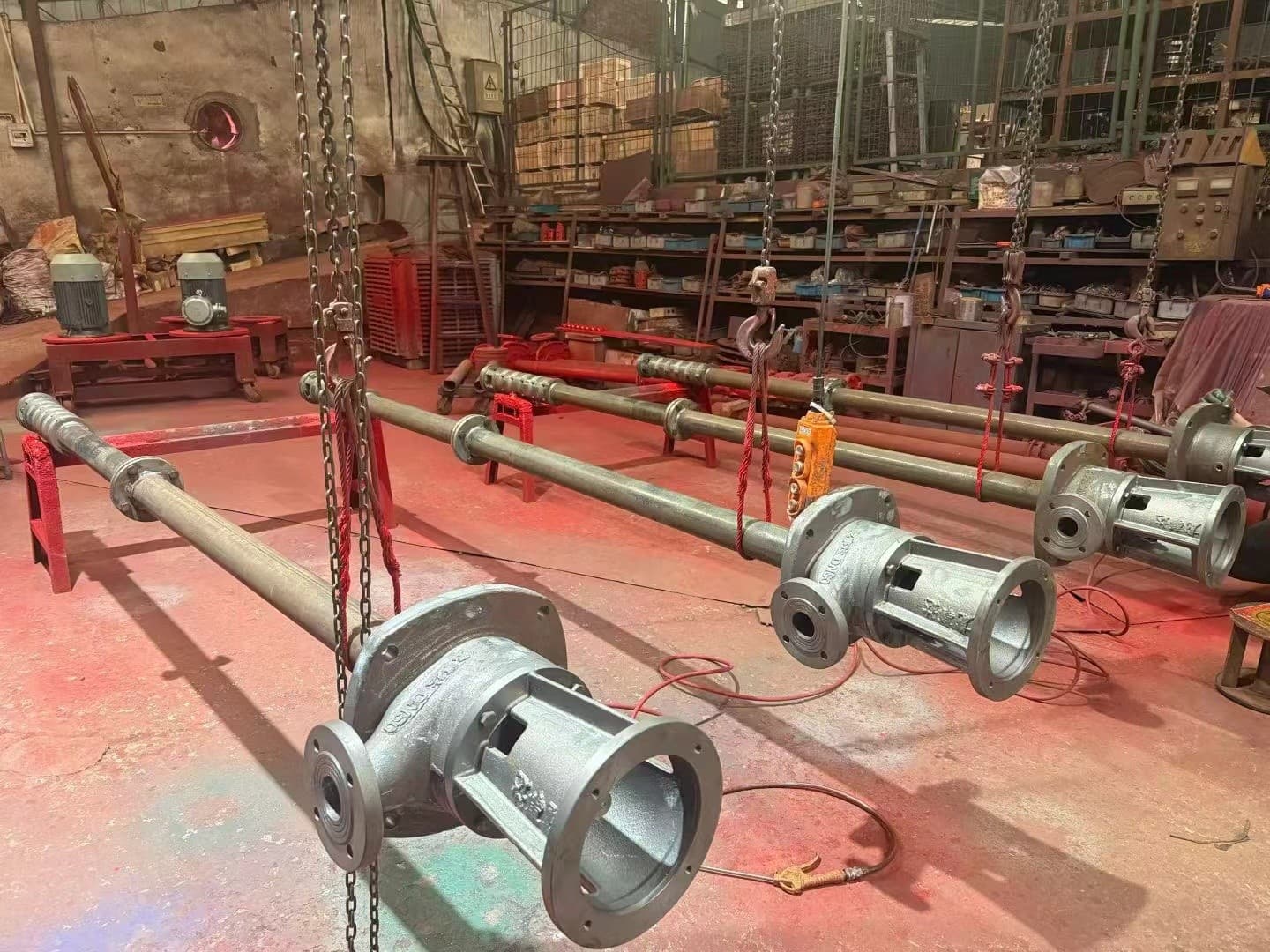 Deep Well Pumps