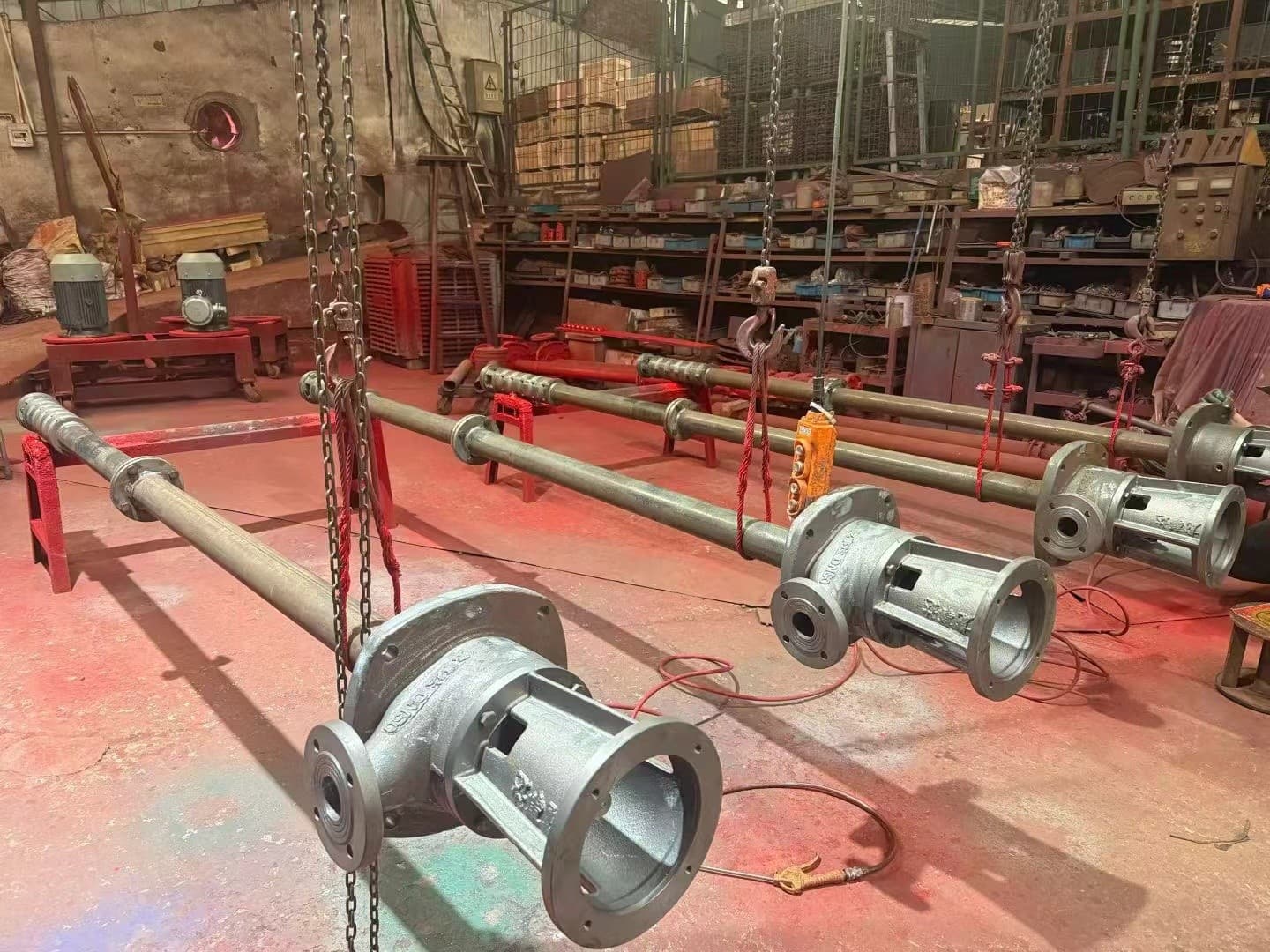
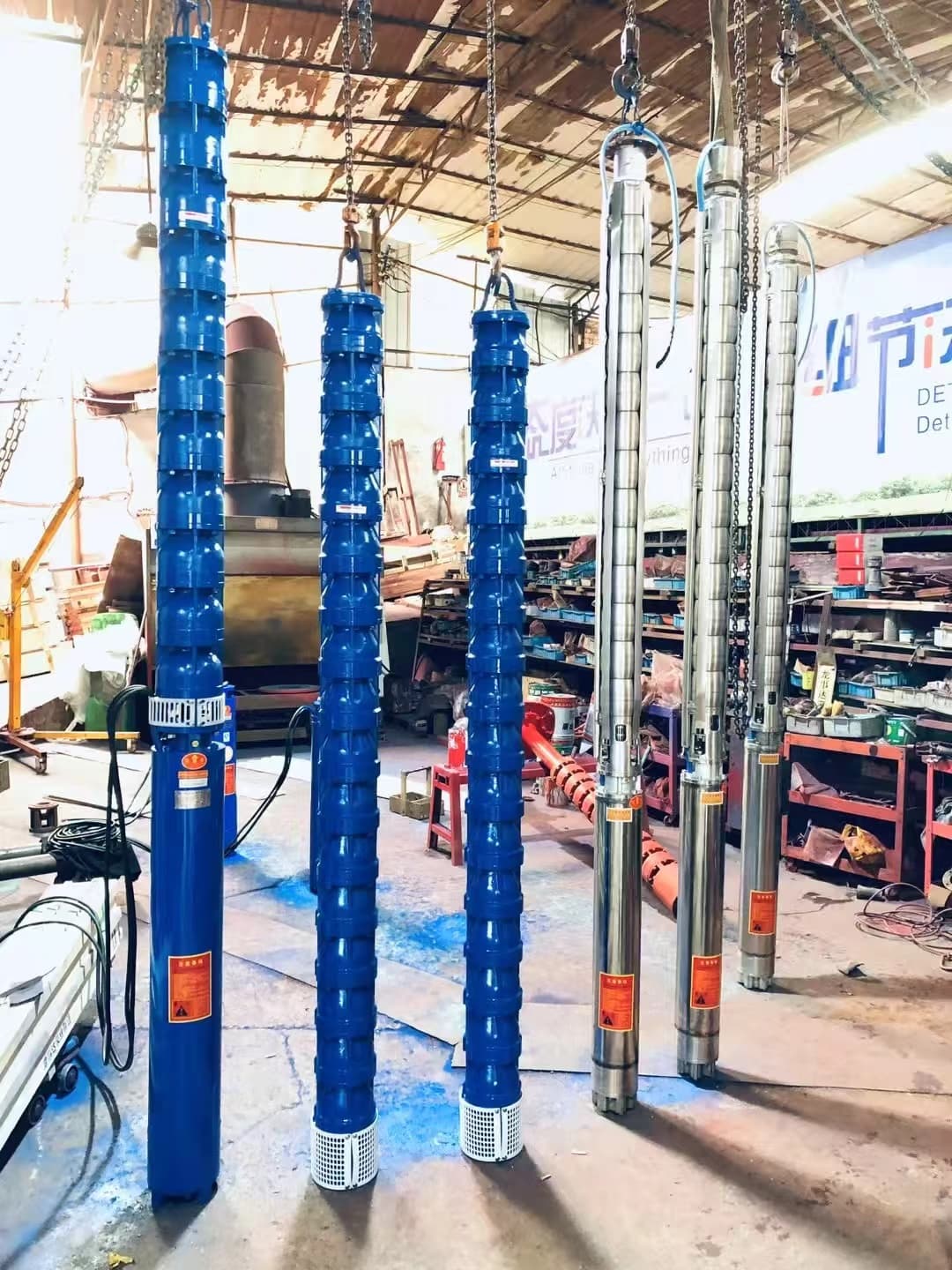
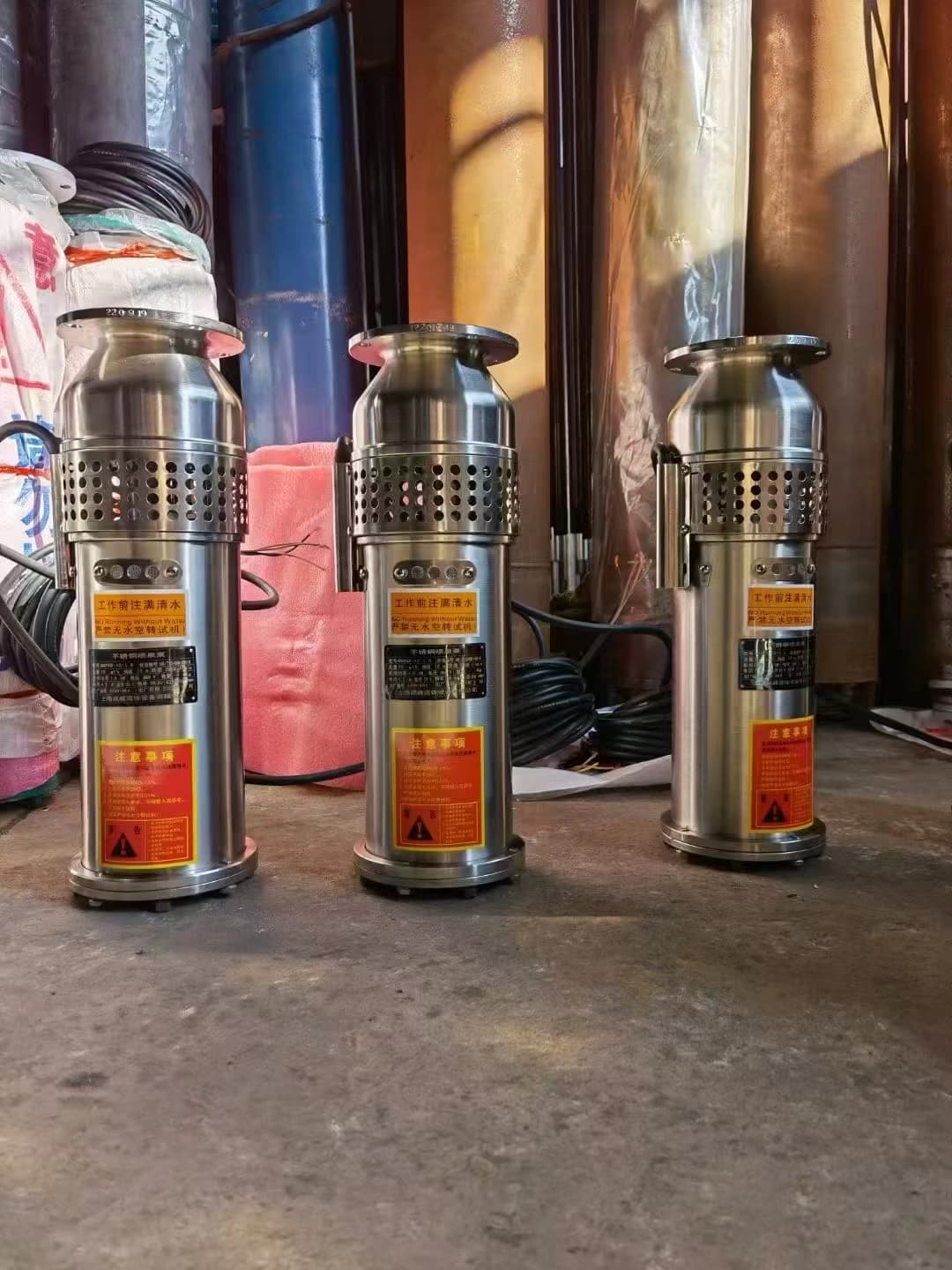
Deep Well PumpsRiser Pipe for Borehole Pumps: Steel, Plastic or Hose?
The riser pipe carries the water and hangs the pump. How to choose between steel, plastic and flexible riser for a deep well submersible pump.

Model: Deep well submersible pump vs surface pump
A surface pump cannot pull water from deep down. Why the limit is about 7 to 8 m in practice, and when a borehole pump becomes the only option.
Not sure this pump fits your duty? Try the pump selector
A pump on the surface does not really lift water by suction. It lowers the pressure at its inlet and lets the atmosphere push the water up. At sea level that push can hold up a column of only about 10.3 m, and pipe losses, water temperature and the pump’s own needs take a good part of that away.
| Water level below the pump | What to use |
|---|---|
| Up to a few metres | A surface pump or self-priming pump is simple and easy to reach |
| Around 5 to 7 m | A self-priming pump at the edge of its range; a submersible is safer |
| Deeper than that | A deep well submersible pump or a vertical turbine pump |
Our article on why a self-priming pump cannot lift 8 m explains the suction limit in more detail.
Deep Well PumpsThe riser pipe carries the water and hangs the pump. How to choose between steel, plastic and flexible riser for a deep well submersible pump.
Deep Well PumpsDeep well pumps, high-head submersible pumps and axial flow pumps cover very different jobs. A short guide to choosing by flow, head and water source.
Deep Well PumpsHow to size a fountain pump: why the jet height is not the pump head, how nozzles change the flow, and how to split a fountain between several pumps.