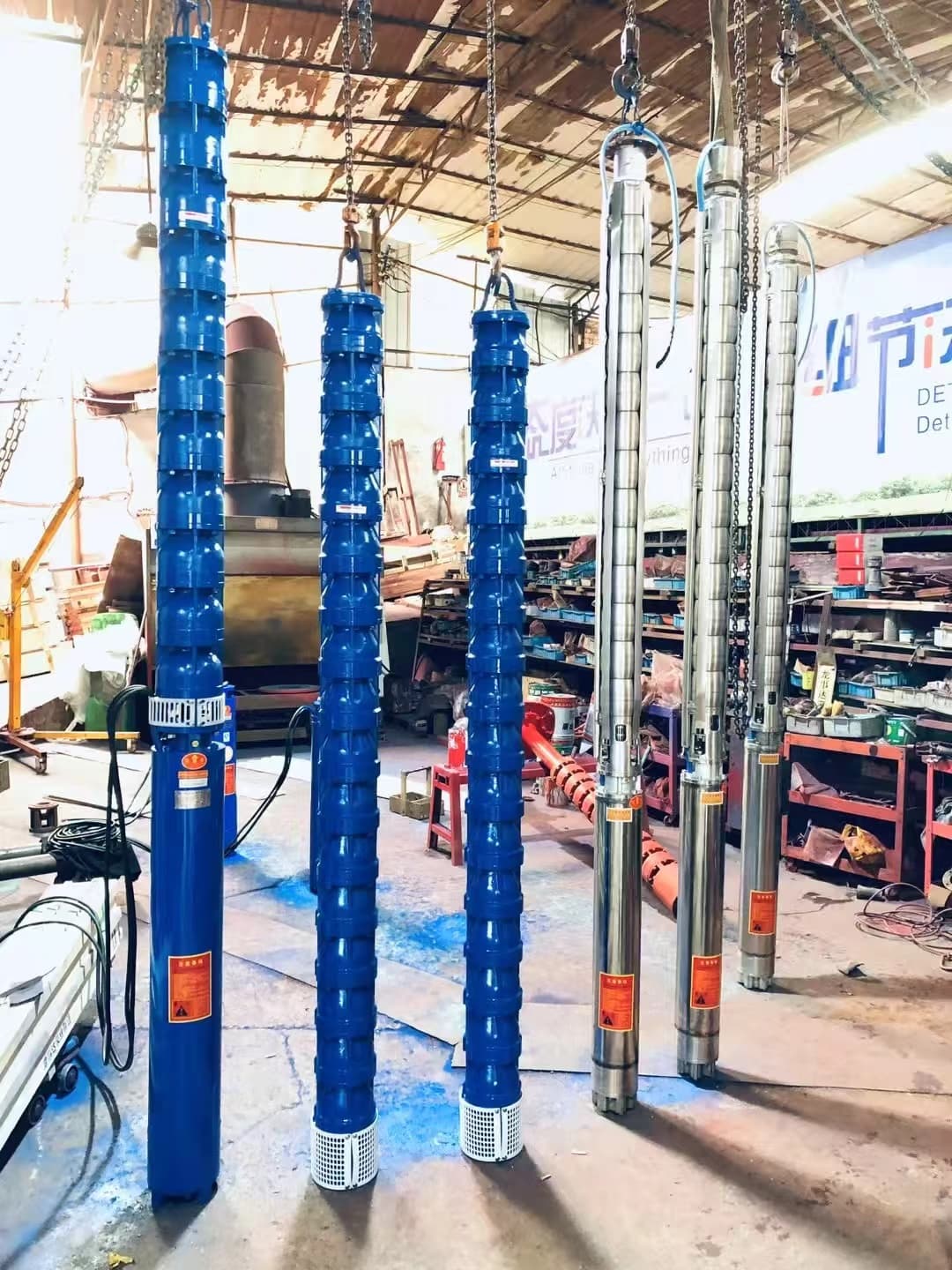
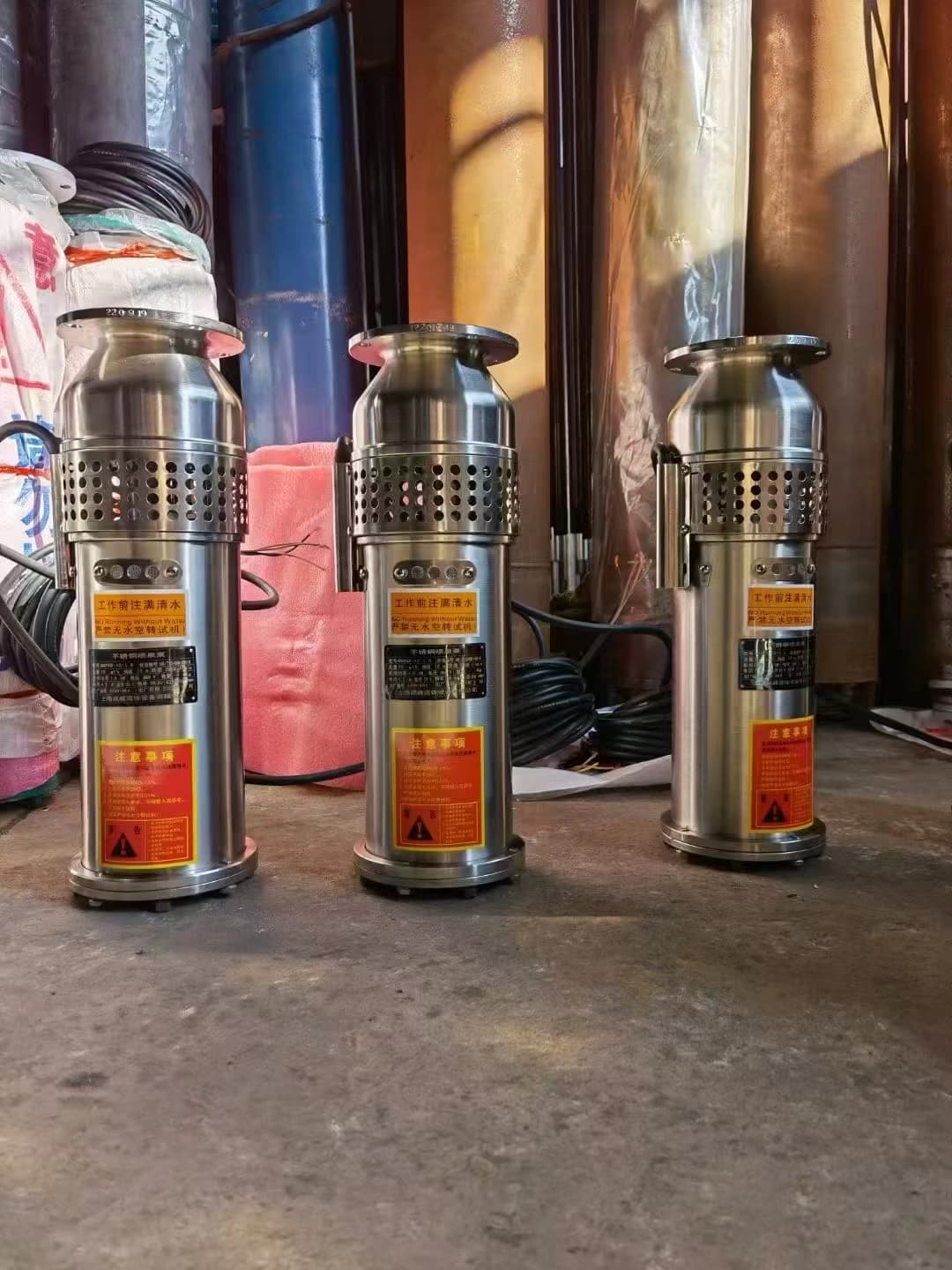
Why is a check valve needed?
When the pump stops, the water in a tall riser wants to fall back down the well. Without a check valve it runs back through the pump and spins it backwards, and the next start has to fill the whole riser again. Many deep well pumps have a check valve built into the top of the pump end; more may be added in long risers or at the well head.
What is water hammer?
If the column of water falls back and then slams into a closing valve, or the pump stops suddenly against a long delivery line, the pressure jumps. That shock can split pipes, loosen joints and damage the pump.
How can I reduce it?
- Use a good check valve near the pump, so the column cannot fall far before it closes
- Close the outlet valve before stopping the pump, as recommended for deep well pumps
- On large pumps, use a soft starter or a variable frequency drive to start and stop gently
- Support the riser and the delivery pipe so they cannot move when the pressure changes
Does a check valve affect the first start?
Yes. Before checking the direction of rotation on a pump with a check valve, pour water into the pump outlet until it runs out of the inlet, so the pump is not run dry even for a second.

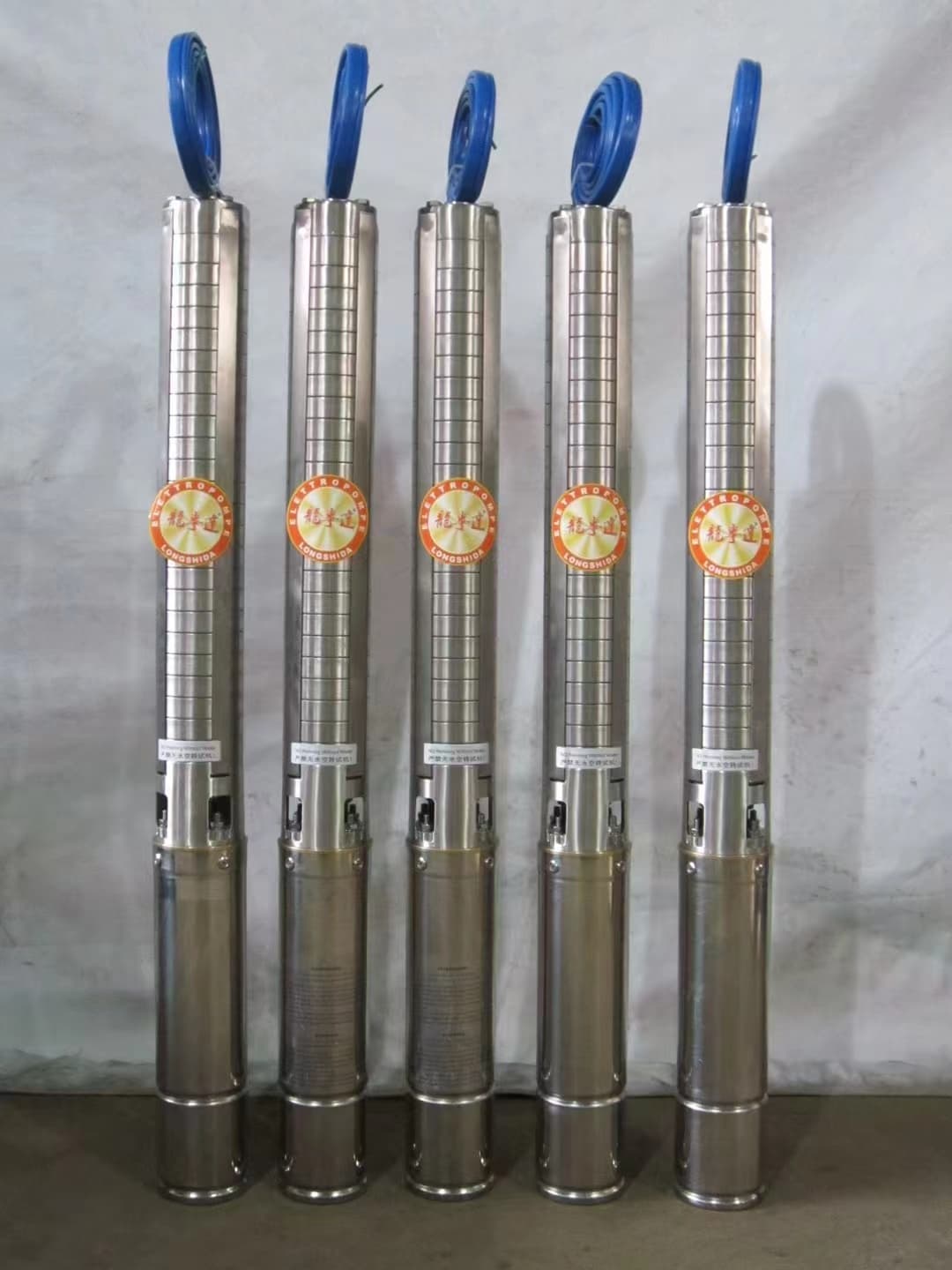
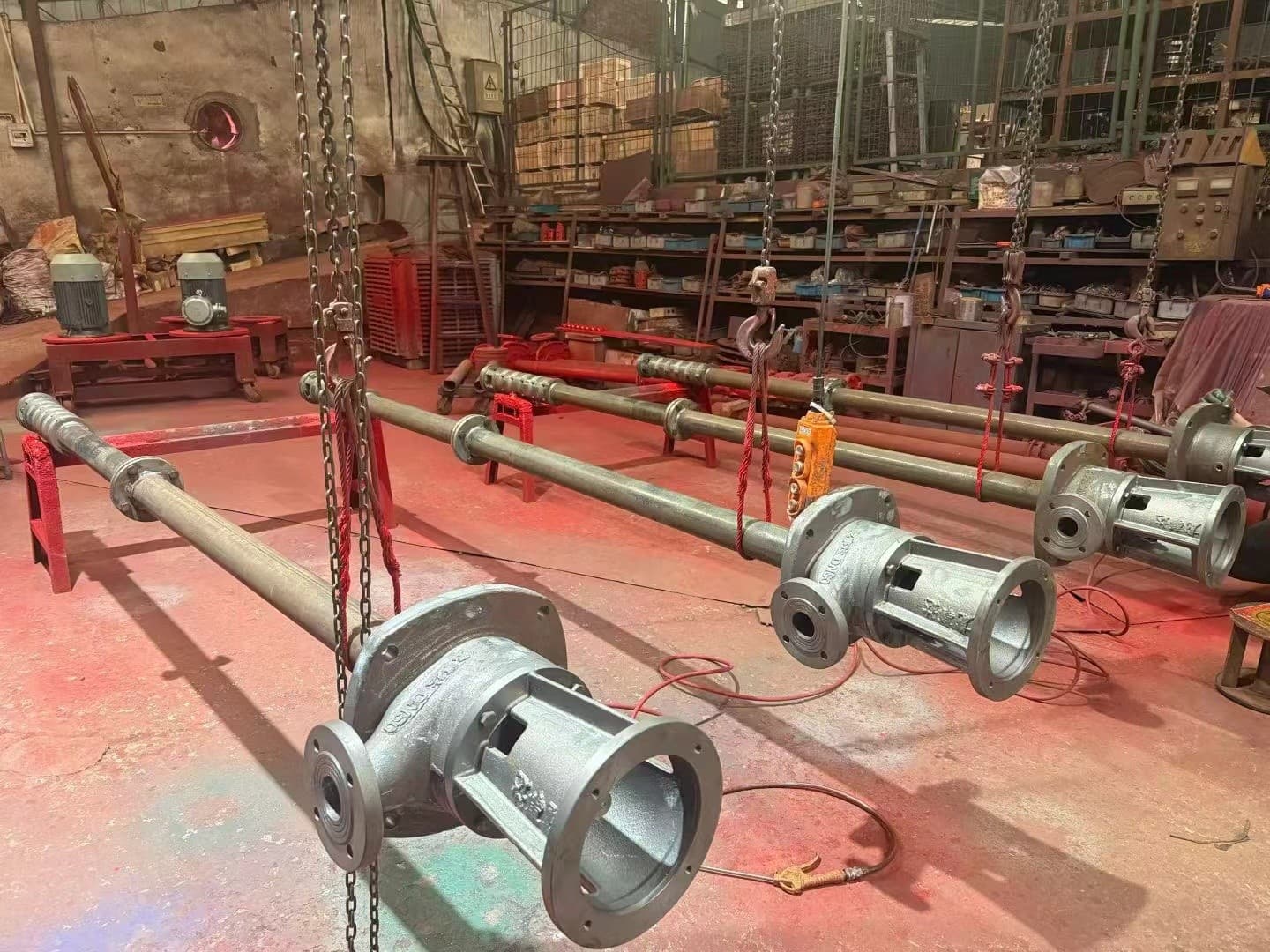 Deep Well Pumps