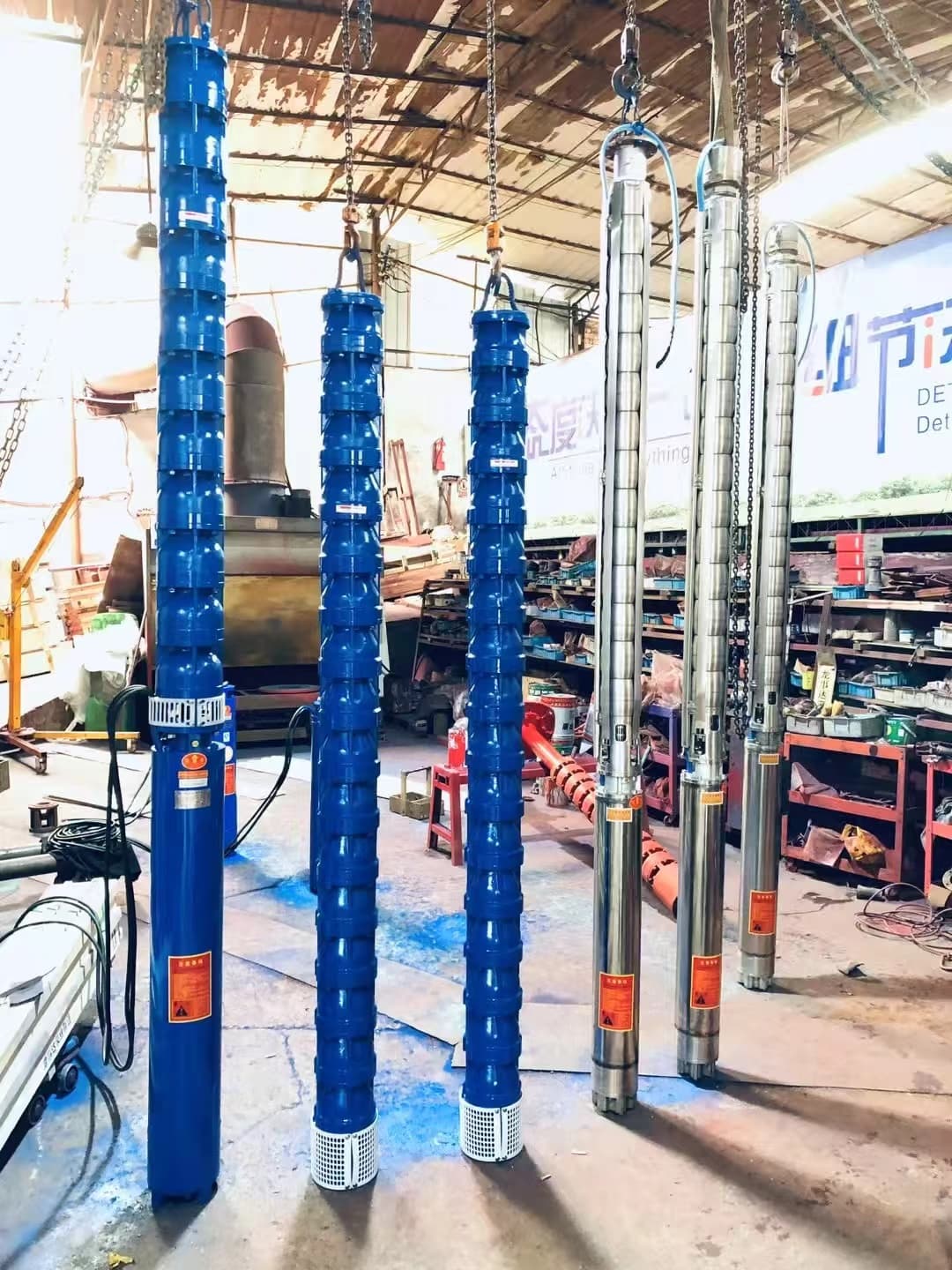
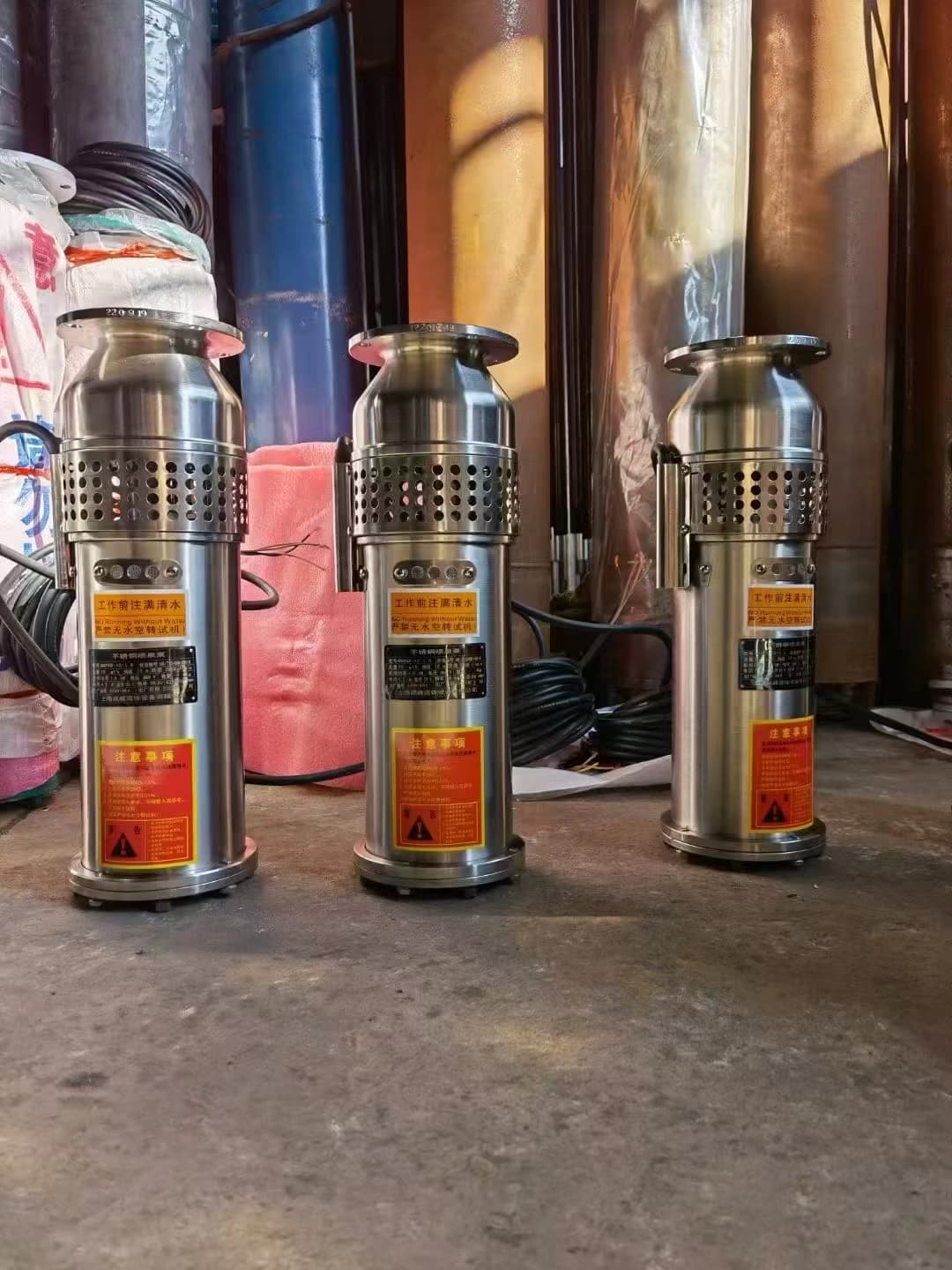
A deep well pump is built for clean water. Sand wears the impellers and guide bowls, opens up the clearances and eats into the bearings. Line-shaft deep well pumps are especially sensitive; their sand content should stay at about 0.01% or less.
Signs of a sandy well
- Sand settling in a bucket of water taken at the outlet
- Flow falling over a few months while the water level is unchanged
- Noise from the pump, or a current that creeps up
- Worn, rounded impeller edges when the pump is lifted
How to reduce the damage
- Develop a new well properly before the permanent pump goes in, so the fine sand is cleared from around the screen
- Do not set the pump right at the screen or near the bottom of the well; keep the motor at least 1 m above the bottom
- Avoid pumping a well harder than it can yield, which draws more sand
- If a line-shaft pump has pumped sandy water, flush it with clean water before stopping it
- Inspect the pump at every service and replace worn parts before they fail

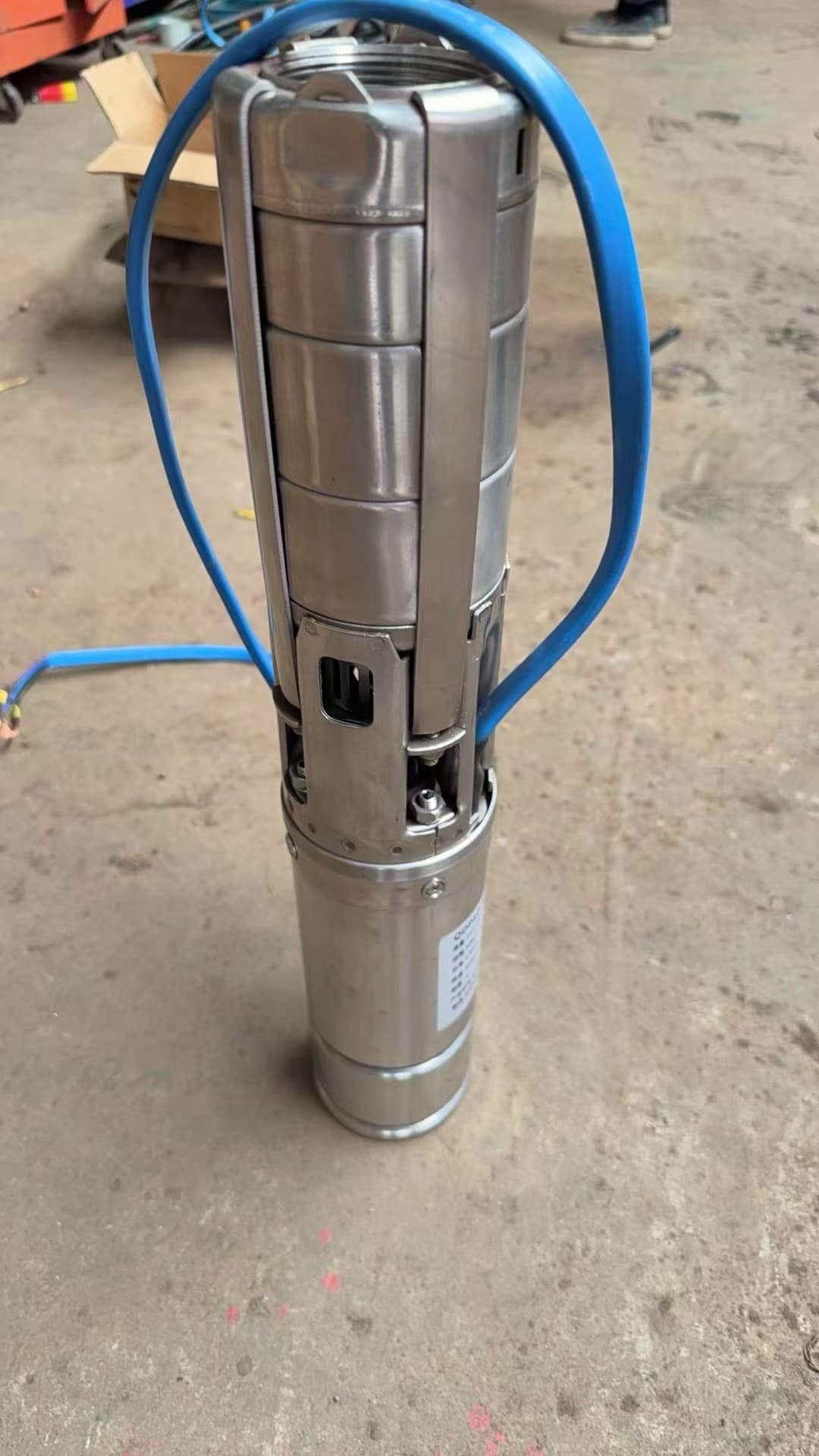
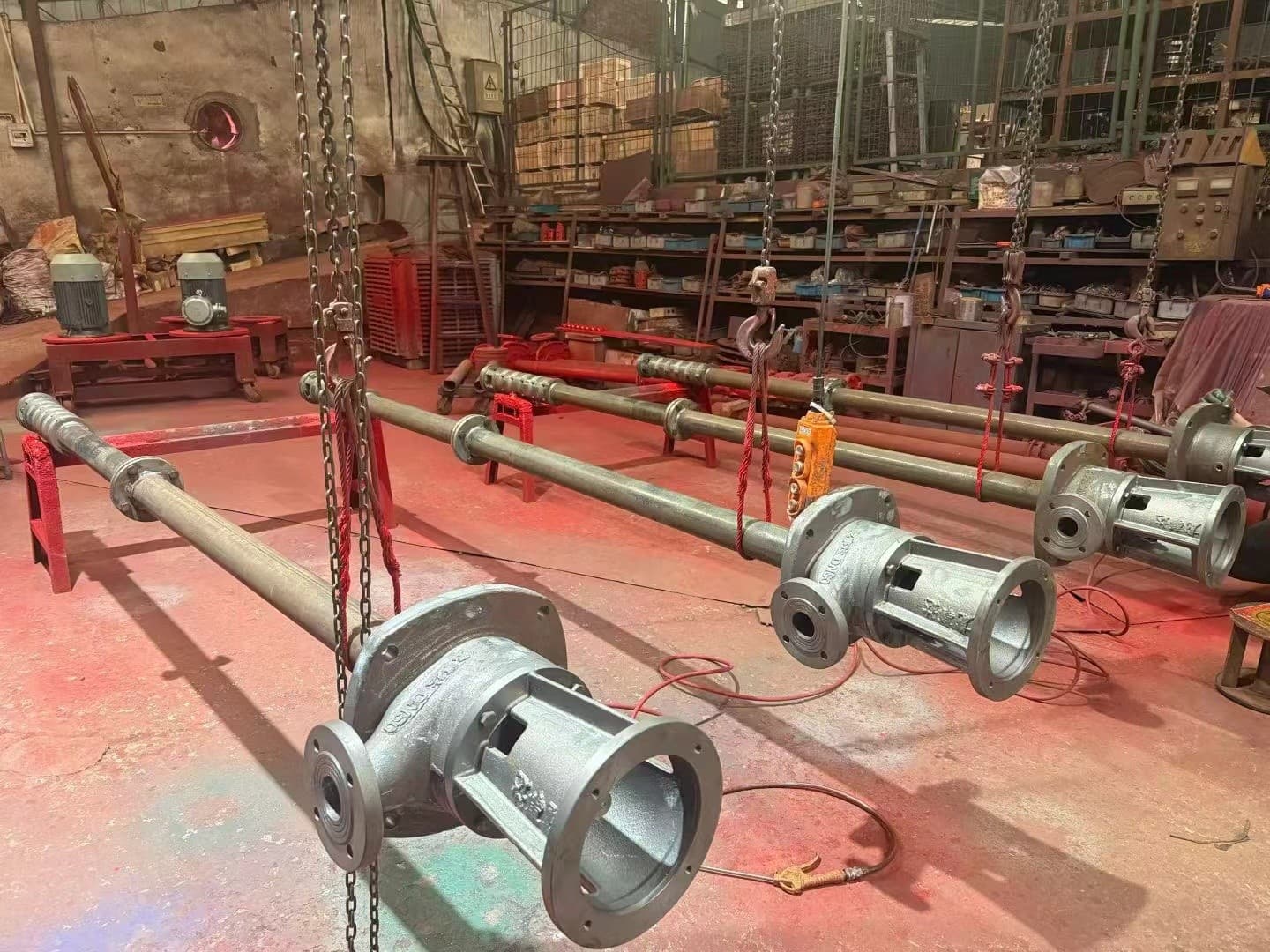 Deep Well Pumps