When a factory asks us for an effluent pump, the first thing we ask back is what the liquid is. Flow and head are easy to calculate. Temperature, pH and solids are what decide whether a pump lasts.
Liquid limits for the YW series
- Temperature: up to 60 °C
- Density: 1.0 to 1.3 kg/dm³
- pH: 5 to 9
Most effluent from food processing, textile dyeing and paper mills is within these limits. If yours is not, for example hot rinse water or a lower pH, please tell us before ordering. Pump ends in SS304 or SS316 are available for mildly corrosive liquids, and other special conditions can be discussed, but they have to be decided before production.
Performance
The 150YW180-20-18.5 has a DN150 outlet and delivers 180 m³/h at 20 m. It runs at 1470 r/min with an 18.5 kW motor. The recommended working head is 8 to 20 m and the efficiency is 75%. At this size, if the pump runs most of the day, efficiency starts to show up clearly in the electricity bill.
Fibres and solids
Textile and paper effluent carries long fibres, and food plants send skins, peel and fat. The wide passage impeller lets through solids up to about half the outlet diameter and fibres several times longer. After pumping heavy or sticky effluent, run the pump in clean water for a few minutes to wash it out.
If the flow drops
Check in this order: whether the impeller or discharge pipe is partly blocked, whether the valve is fully open, whether the wear ring is worn, and whether the effluent has become thicker than before. For very thick effluent, diluting it with water usually solves the problem.

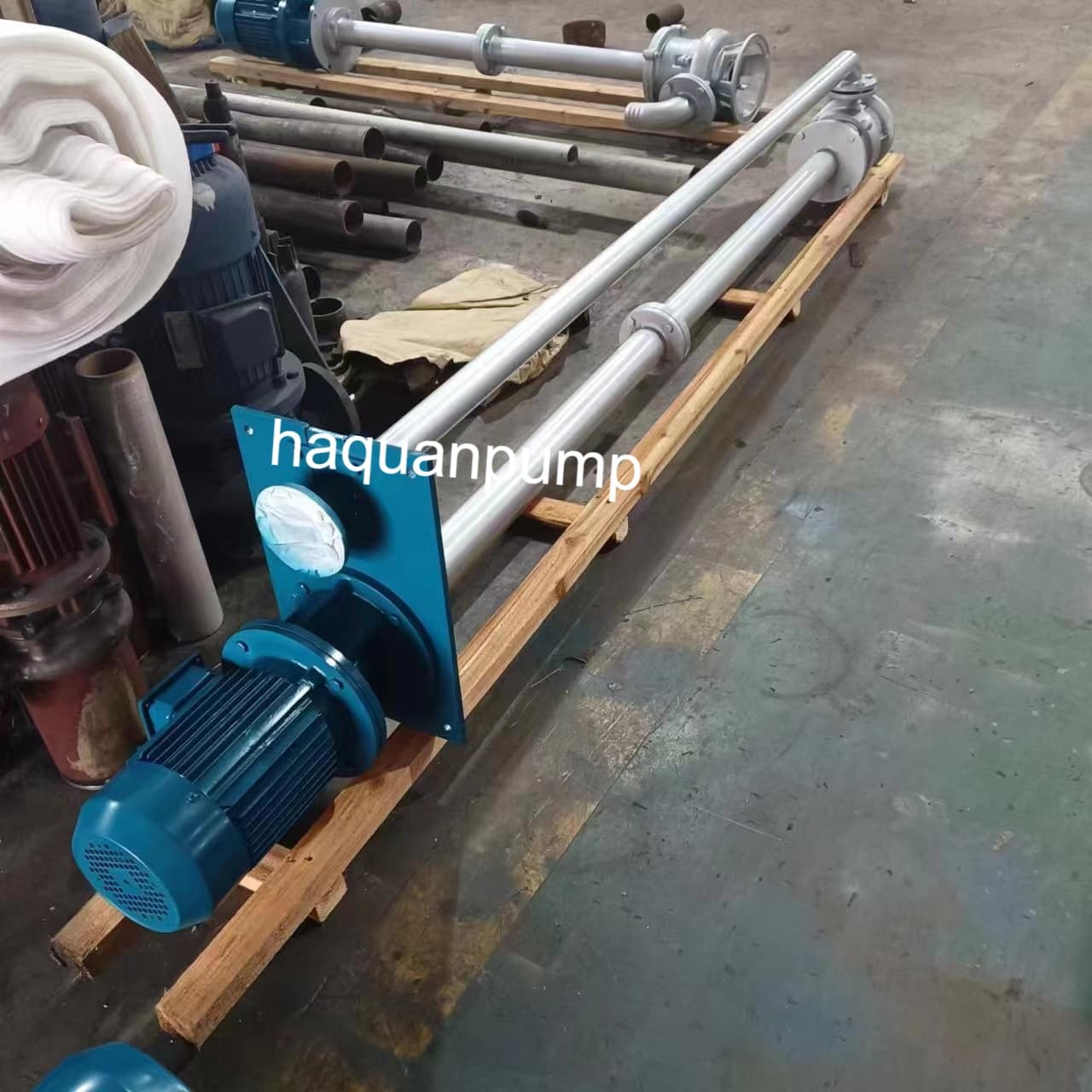
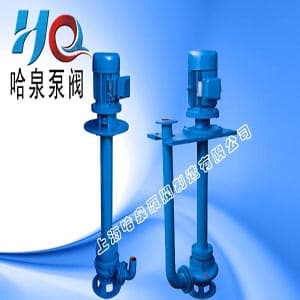 YW Series Vertical Submerged Sewage Pump