WQK Cutting Pump Safety – What Every Operator Should Know
Electrical Safety Always use a residual current device. Never operate with a damaged cable. Ensure proper grounding. Water and electricity don’t mix — take precautions seriously. Operating Safety Neve…
Always use a residual current device. Never operate with a damaged cable. Ensure proper grounding. Water and electricity don’t mix — take precautions seriously.
Operating Safety
Never enter the water near a running pump. Stay clear during operation. If the pump trips, investigate before restarting.
Dry Running Danger
The pump must be fully submerged. Running dry overheats the motor and damages the seals. Use a float switch to maintain water level.
Chemical Hazards
Sewage contains harmful bacteria and gases. Wear gloves and eye protection when handling the pump after use. Wash thoroughly afterward.
Emergency Procedures
If you suspect an electrical fault, cut power at the main panel. Don’t touch the pump until power is confirmed off.
Even the best chopper pump can develop issues. Here are five problems I’ve seen most often with WKQ/QG series pumps and how to fix them. Problem 1: Pump Runs B…
Headworks are the front door of a wastewater treatment plant. Everything that comes down the sewer arrives here — rags, plastics, sanitary products, you name it…
Farm waste is different from municipal sewage. It’s thicker, more fibrous, and loaded with bedding material like straw and hay. An agricultural chopper pump ne…

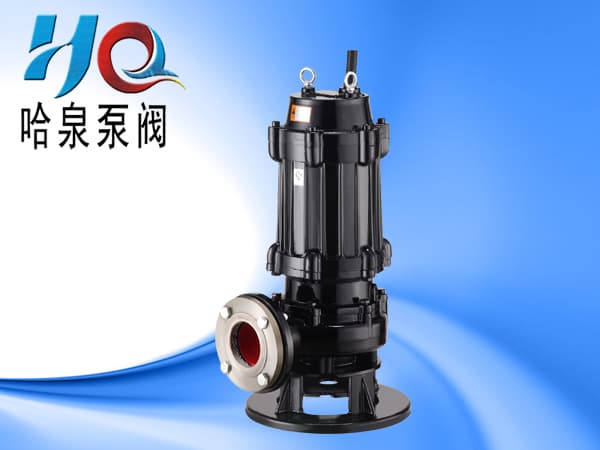
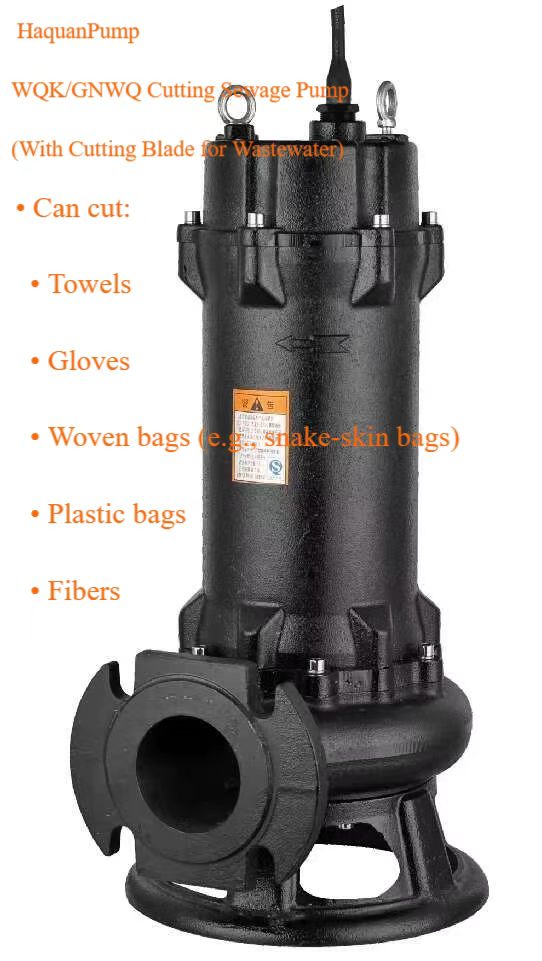
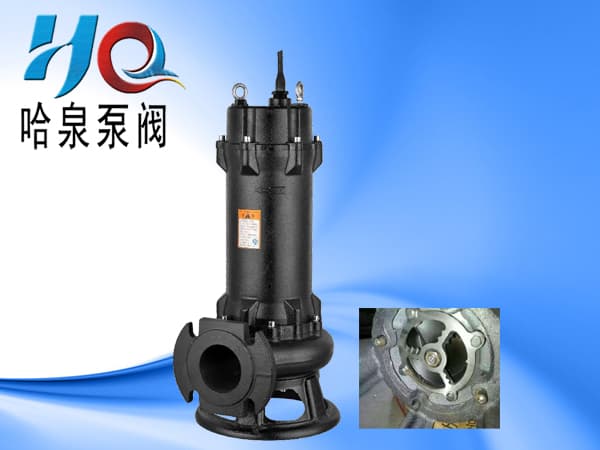 WQK Cutter Submersible Sewage Pump