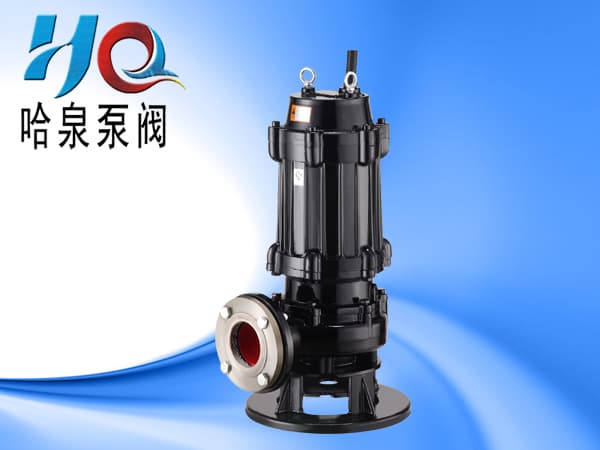
WQK Cutting Pump vs Vortex Pump – Which One Do You Need?
The Basic DifferenceCutting pumps have blades that chop solids before they reach the impeller. Vortex pumps have a recessed impeller that creates a whirlpool to pull solids through without touching th…
The Basic Difference Cutting pumps have blades that chop solids before they reach the impeller. Vortex pumps have a recessed impeller that creates a whirlpool to pull solids through without touching them. When Cutting Wins Cutting pumps are better for fibrous materials — rags, hair, wipes, plastic bags. The blades actively reduce solid size, preventing clogs. When Vortex Wins Vortex pumps are better for abrasive materials — sand, grit, gravel. There’s no cutting edge to wear down. The solids pass through the whirlpool without contacting the impeller.
Comparison Table
Factor
Cutting Pump
Vortex Pump
Fibrous materials
Excellent
Poor
Abrasive materials
Poor
Excellent
Clog resistance
High
Moderate
Blade maintenance
Required
None
Best application
Sewage with rags
Sewage with sand
Our Recommendation If your wastewater has more fabric than grit, choose cutting. If it has more grit than fabric, choose vortex.
Applications Summary: pump comparison, cutting vs vortex, selection guide, sewage pump types, application matching Thanks for reading from HAQUANPUMP. Not sure which type you need? Send us your water analysis and we’ll recommend the right pump.
Even the best chopper pump can develop issues. Here are five problems I’ve seen most often with WKQ/QG series pumps and how to fix them. Problem 1: Pump Runs B…
Headworks are the front door of a wastewater treatment plant. Everything that comes down the sewer arrives here — rags, plastics, sanitary products, you name it…
Farm waste is different from municipal sewage. It’s thicker, more fibrous, and loaded with bedding material like straw and hay. An agricultural chopper pump ne…

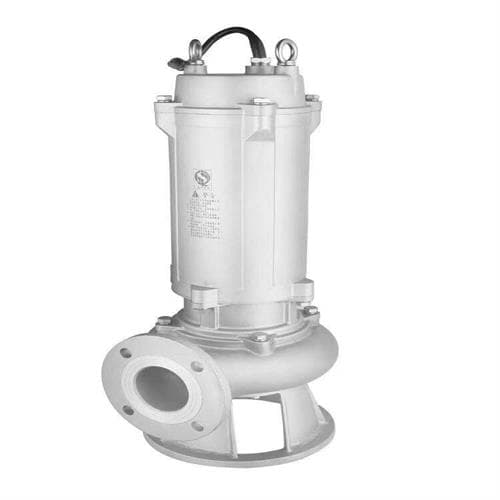
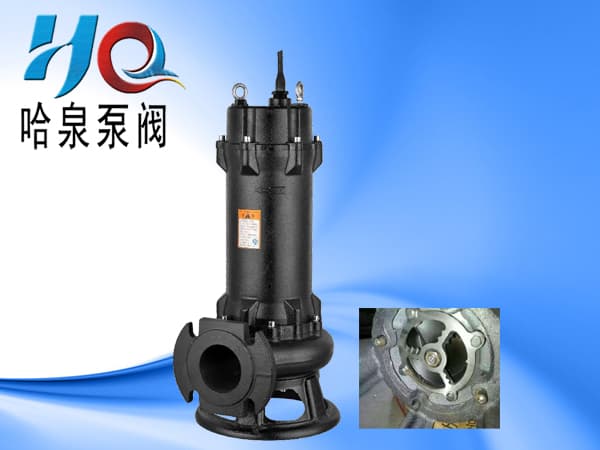 WQK Cutter Submersible Sewage Pump