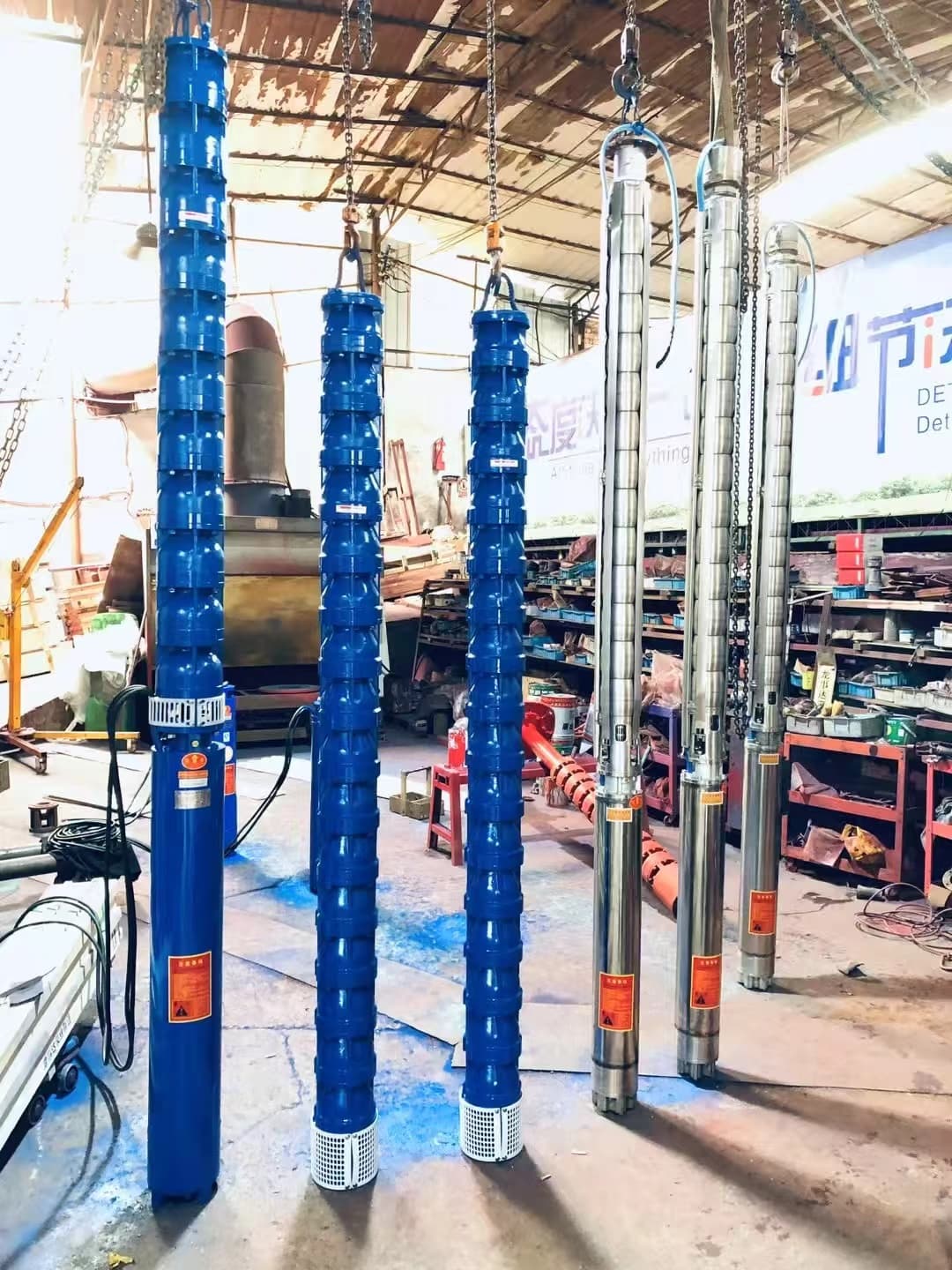
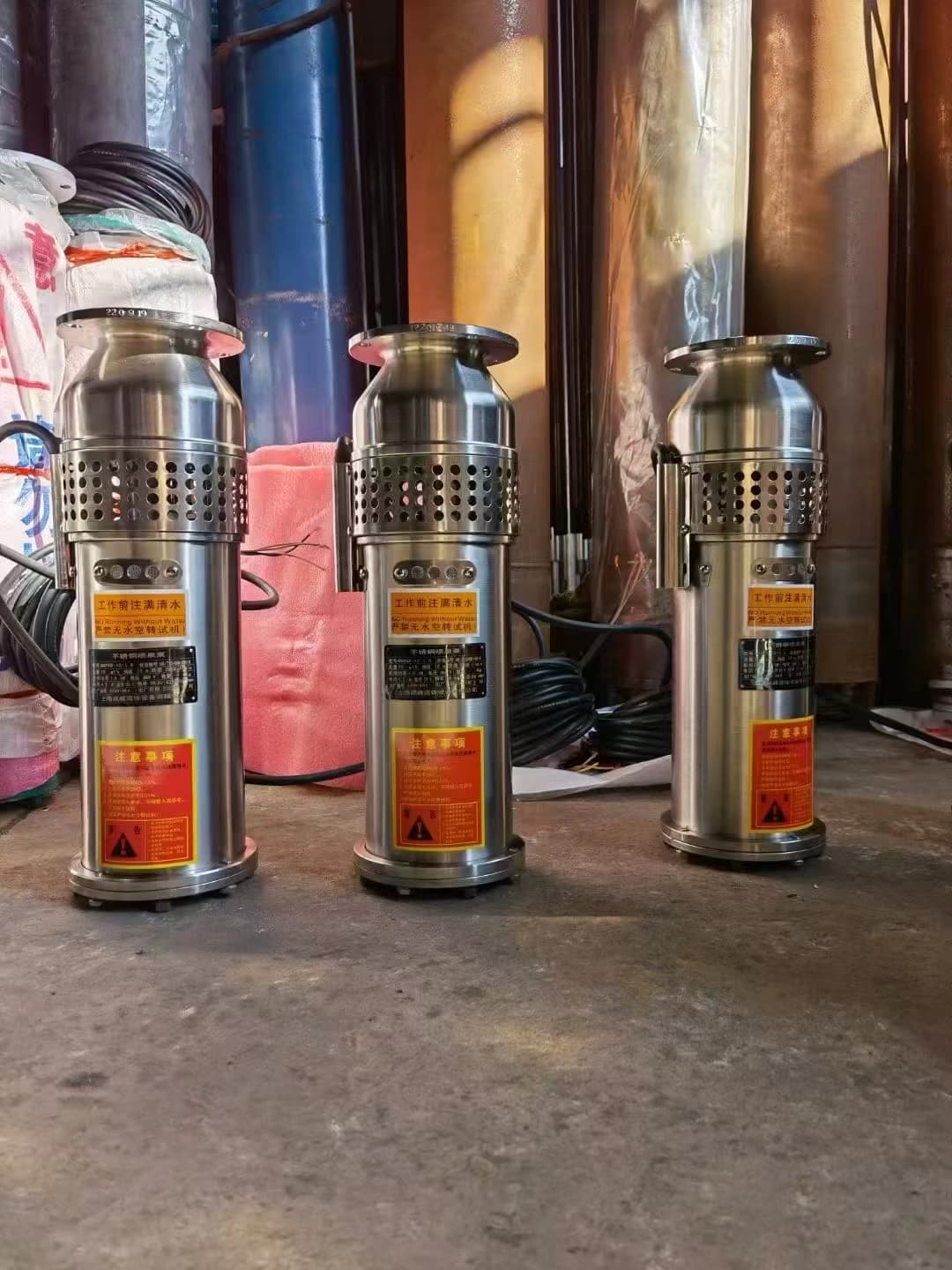
Unlike a catalogue pump, a vertical turbine pump is assembled to fit the well. Three choices define it.
1. Setting depth and column length
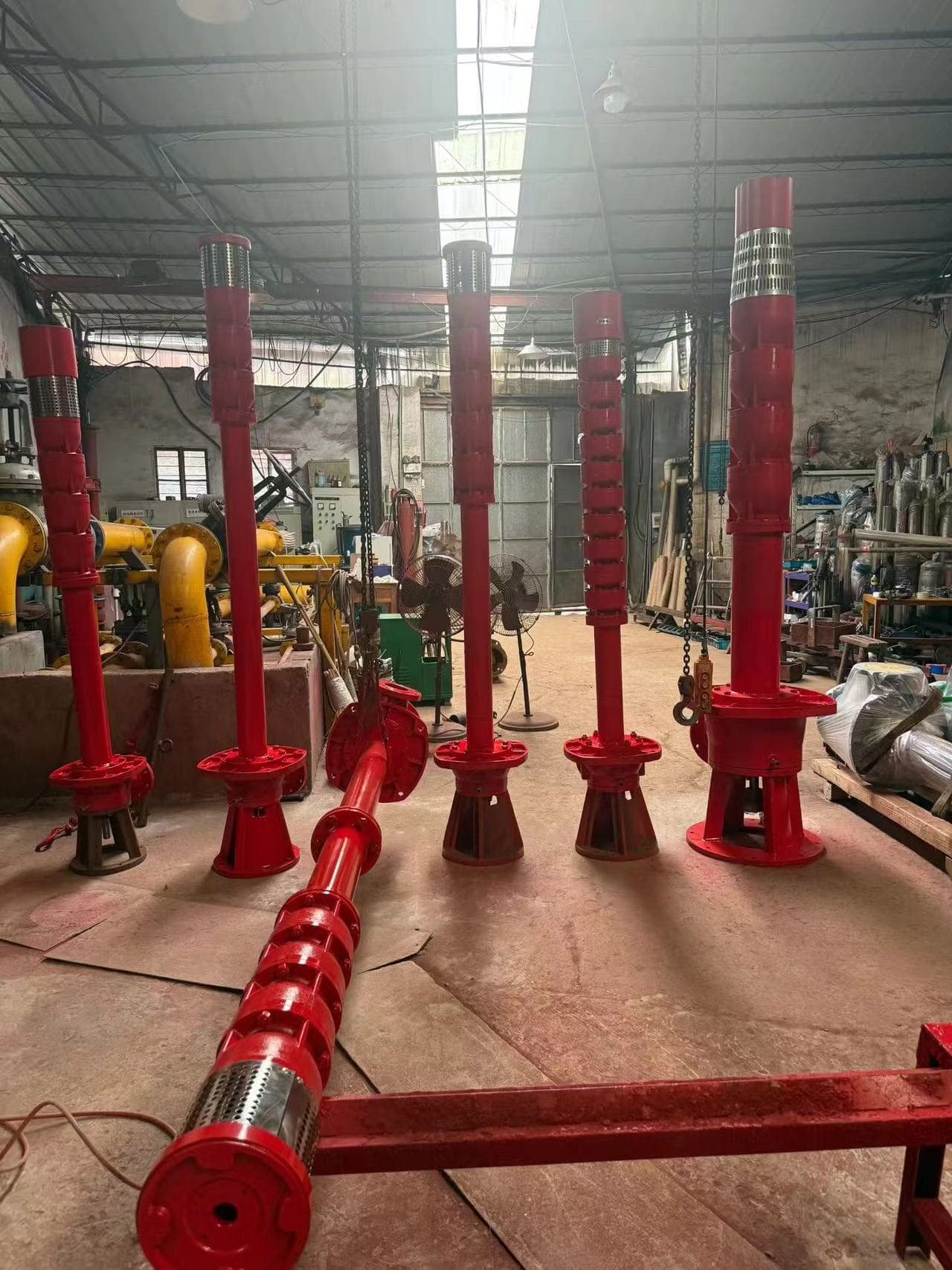
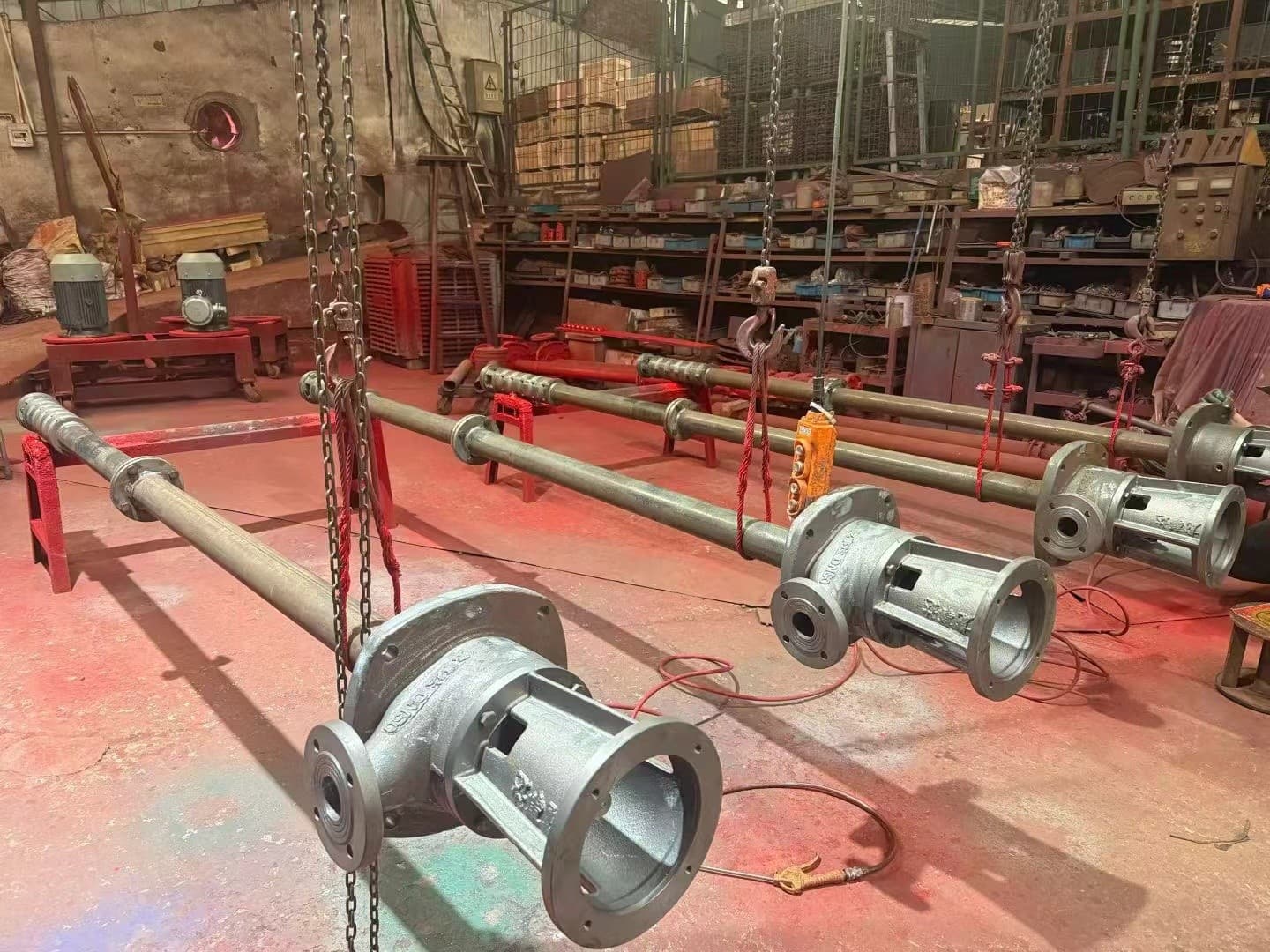
The bowl assembly must sit in the water at the lowest level, with the first two impellers at least 1 m below it. The column length is the distance from the discharge head down to the bowls. It is built up from column sections, with a line shaft and bearings inside.
2. Number of stages
Each bowl and impeller adds head. The number of stages is chosen so the total head, lift from the lowest water level plus the delivery height and losses, falls at the pump’s duty point. Line-shaft deep well pumps are commonly built for heads from about 26 m to 138 m.
3. Discharge head and motor
At the top, the discharge head carries the motor and turns the flow out to the delivery pipe. The motor sits on the surface, where it stays dry and easy to service.
What to send us
- Well or sump depth, static and lowest water levels
- Required flow and delivery head
- Water quality, especially sand
- Power supply, and for fire service, the code the system must meet
Remember that sand is hard on line-shaft bearings. Keep the sand content at about 0.01% or less, and pre-lubricate the shaft bearings before starting.

 Deep Well Pumps