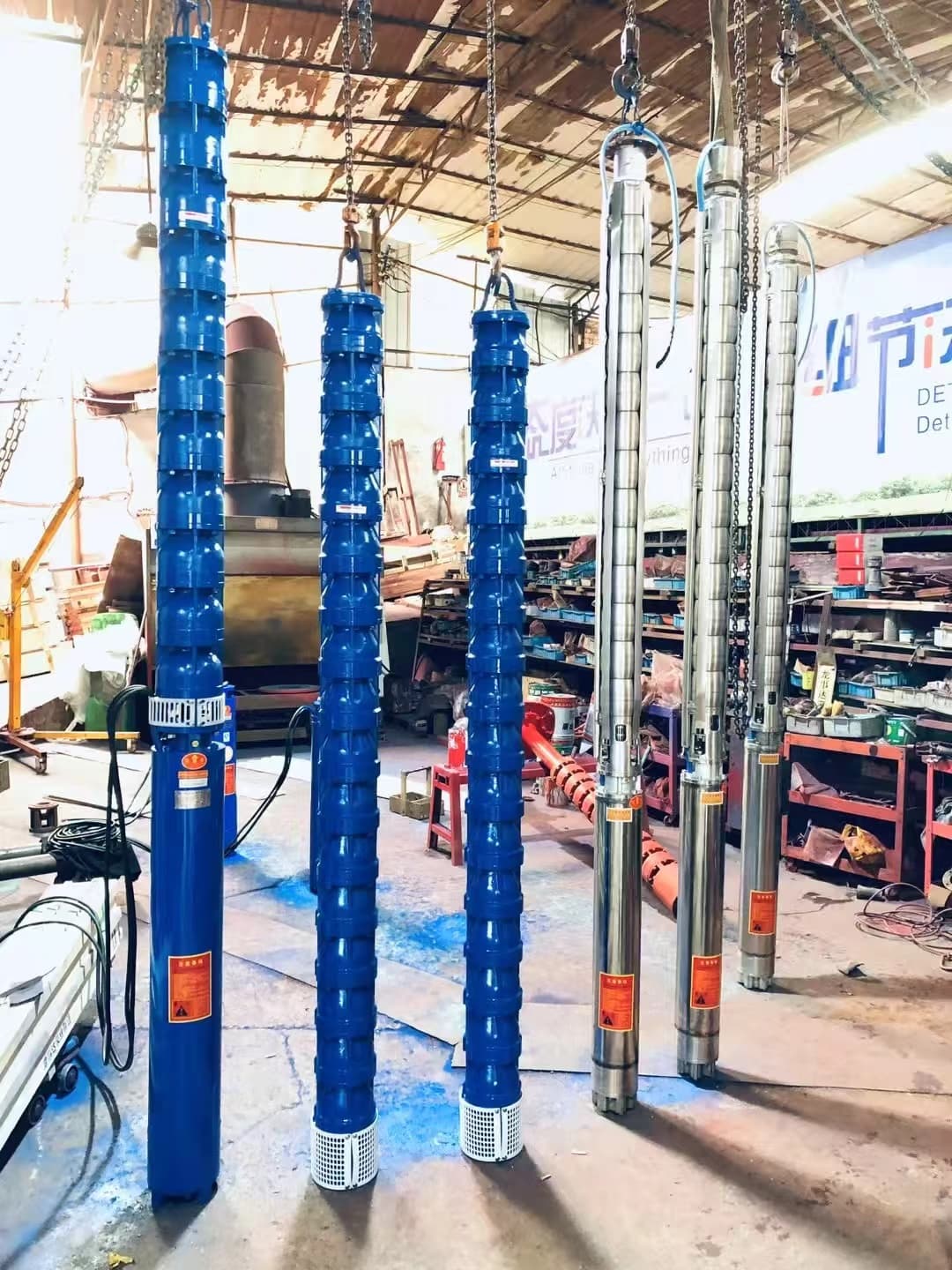
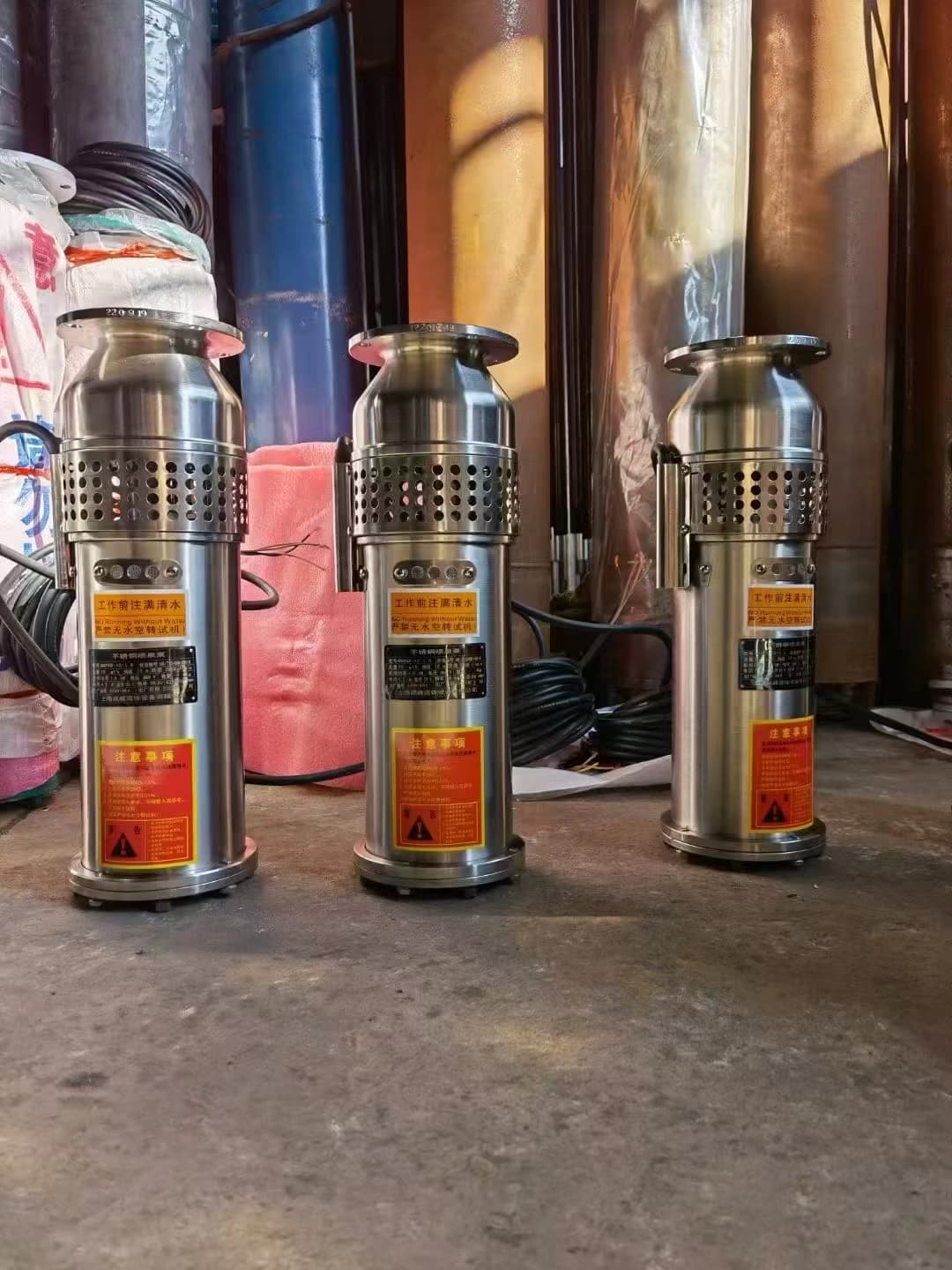
What is a line-shaft deep well pump?
It is a vertical pump in three parts. At the bottom, in the water, is the pump end with its impellers and a strainer. Above it runs the riser column, with a drive shaft inside. At the top, on the well head, sits the electric motor. The motor turns the long shaft, and the shaft turns the impellers down in the well.
How is it different from a submersible well pump?
In a submersible pump the motor goes down the well. In a line-shaft pump the motor stays on the surface, where it is easy to reach, keep dry and service. The price of that is the long shaft and its bearings, which must be aligned and lubricated.
How much head can it give?
The water passes through each impeller and guide bowl in turn, gaining pressure at every stage. Line-shaft deep well pumps are commonly built for heads from about 26 m to 138 m, depending on the number of stages.
What water does it suit?
Clean water. Sand wears the impellers and the shaft bearings, so the sand content should stay very low, around 0.01% or less. If a pump has handled muddy or sandy water, flush it with clean water before stopping it.
What does it need before starting?
- The shaft bearings are pre-lubricated with clean water, usually from a small tank in the pump house
- Base bolts are tight and the axial clearance between impellers and casing has been set
- The motor bearings are lubricated, and the rotor and non-reverse device turn freely by hand
- The first two impellers are at least 1 m below the water level. The pump must never run dry
What should I watch while it runs?
The water level in the well, and vibration around the base. Strong vibration usually points to worn bearings or packing, which should be replaced before they leak badly. In winter, drain the pump if it will stand idle.
Tell us the well depth, the water levels and the duty, and we will propose the column length and the number of stages.

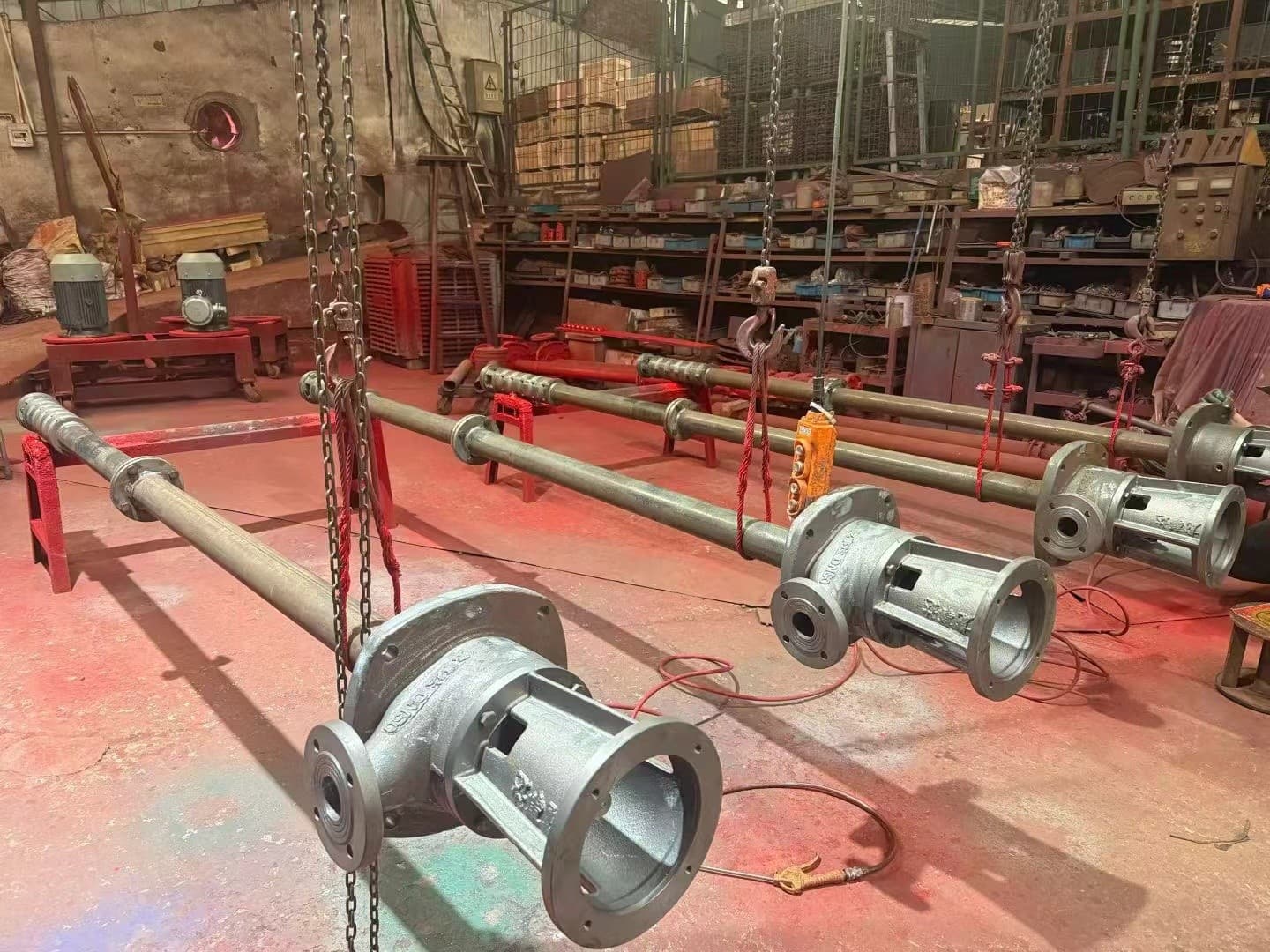 Deep Well Pumps