A sewage lift station has a simple job: collect wastewater at a lower elevation and move it to a higher point in the sewer or treatment system. The difficulty is that wastewater can contain solids and fibers, while the pump may be installed in a wet well that is difficult to access. A submersible sewage pump addresses both issues by combining submerged operation with a non-clogging hydraulic design.
An Open Passage for Solids and Fibers
The WQ/QW configuration described in the supplied material uses single-channel or twin-channel impellers and an open flow passage. This is intended to improve the movement of solids and long fibers and reduce blockage and wrapping. For lift stations, that can be more important than simply choosing a pump with a high nominal flow rate.
Automatic Control and Guide Rail Installation
Automatic level control is another useful feature. A float switch can start the pump when the water reaches a set level and stop it when the level falls. The control cabinet can also provide motor protection, including leakage, phase loss, short circuit, overheating and overload protection, depending on the configuration.
Many permanent lift stations use a guide rail automatic coupling system. The pump is lowered into the wet well along the rails and connects to the discharge base. When maintenance is required, it can be lifted out from above. This arrangement is particularly valuable where entering the wet well would create unnecessary maintenance risk.
Sealing and Oil Chamber Protection
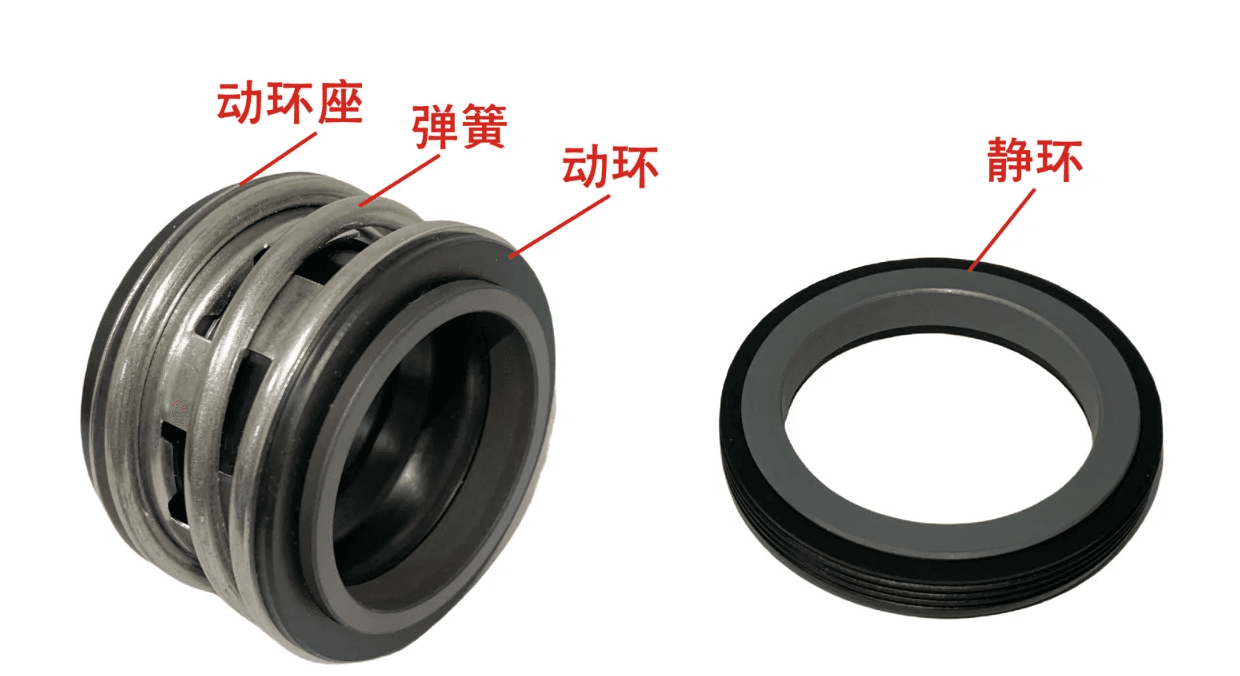
The mechanical seal and oil chamber are also part of the design. The supplied technical information describes double mechanical sealing using hard, corrosion-resistant tungsten carbide material. A leakage sensor in the oil chamber can provide a signal if water reaches the protected chamber.
Electrical Supply
Electrical requirements should be established before ordering. For projects using 415 V, 50 Hz, the pump motor can be configured for that supply when confirmed during selection. The control cabinet, starting method and motor rating should be checked as part of the same package.
The wet well rarely changes once it is built, so it pays to get the pump selection right the first time rather than adjust around it later.

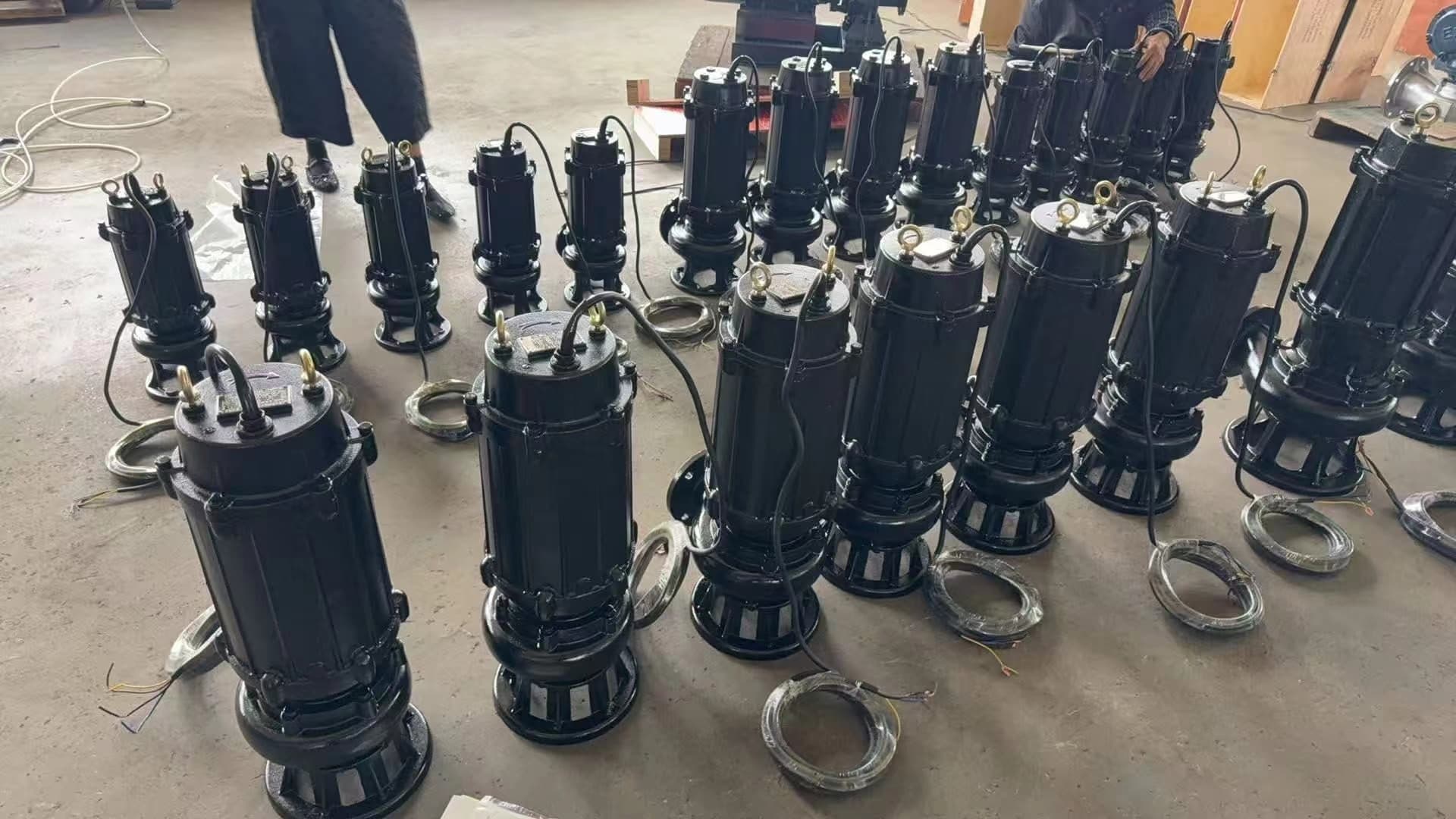 Submersible Sewage Pumps