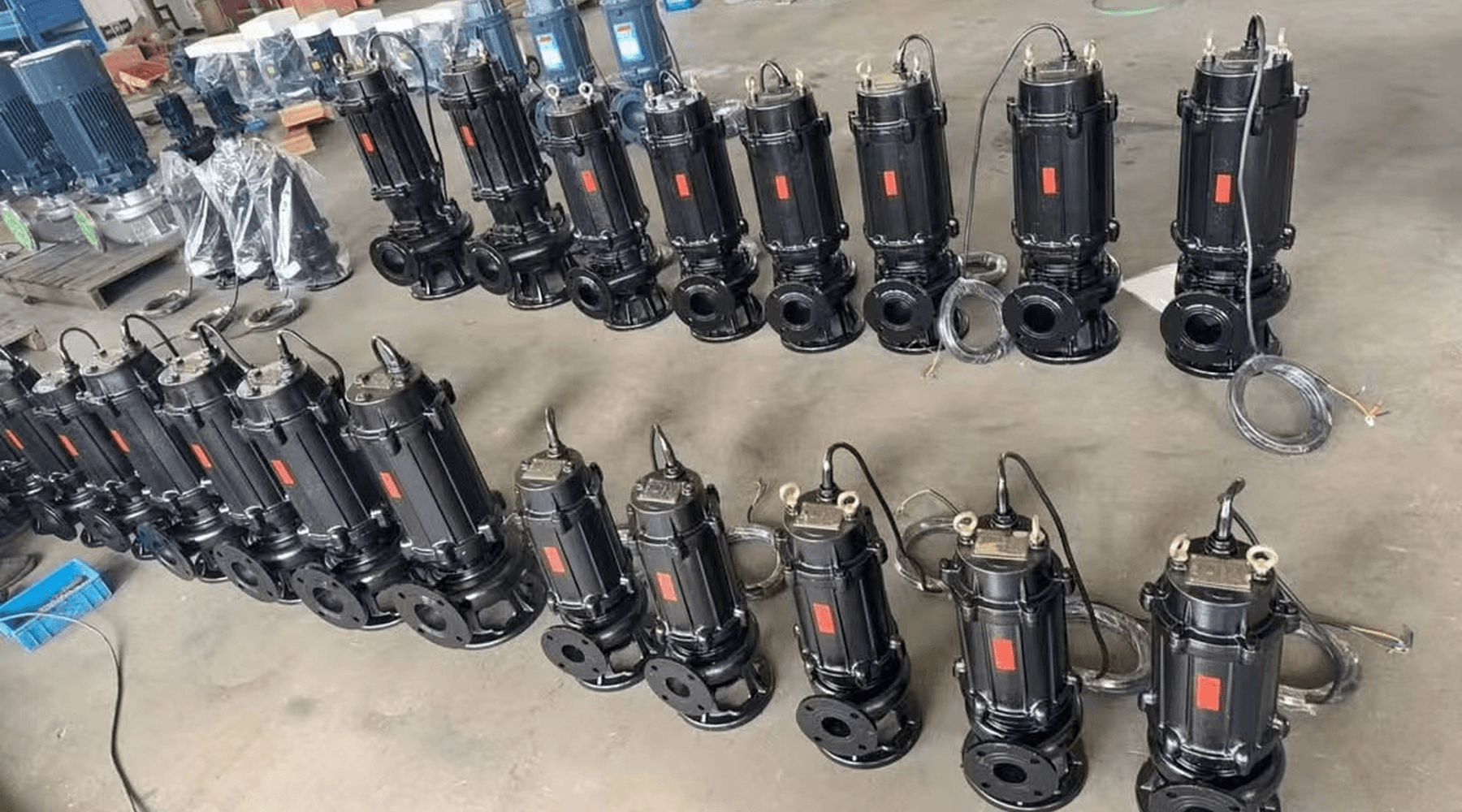
The mechanical seal is one of the parts that separates a submersible pump from the pumped liquid. In wastewater service, that barrier is particularly important because the pump motor and electrical components must be protected from water entering the wrong area.
Double Mechanical Seal Design
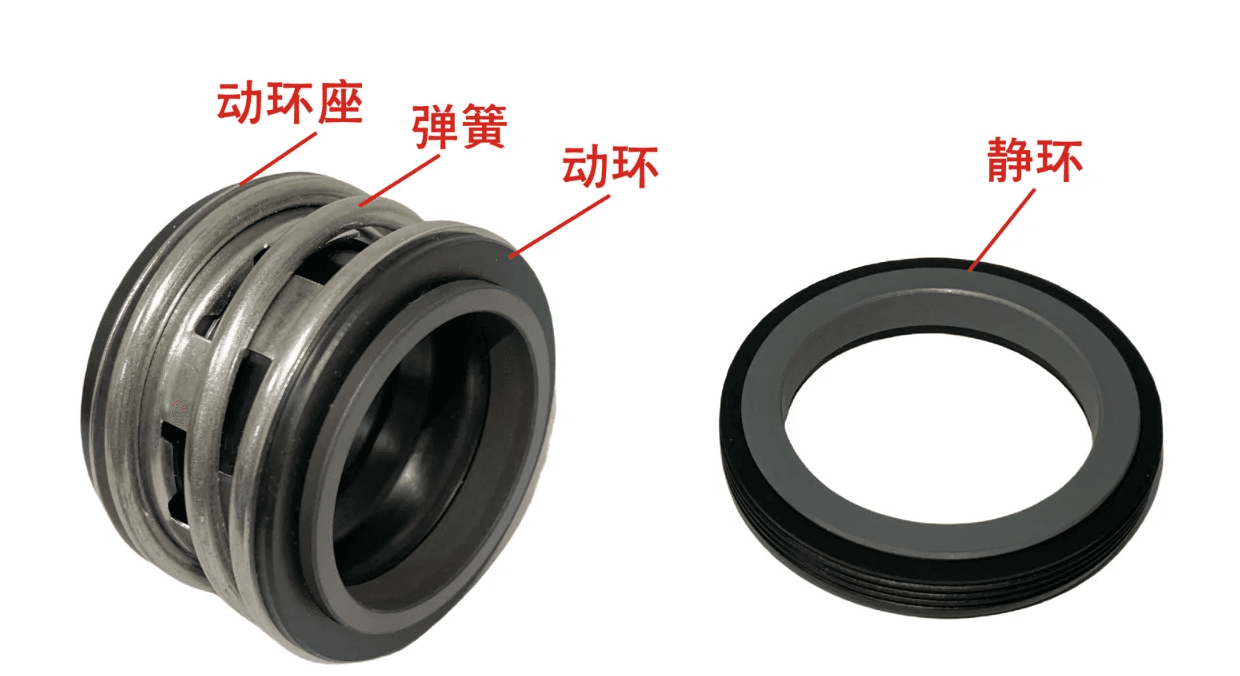
The supplied WQ/QW product information describes a double mechanical seal arrangement. Hard, corrosion-resistant tungsten carbide is used for the seal material in the referenced design. The seal assembly operates with an oil chamber between the pump and motor, creating an additional protected zone.
Why an Oil Chamber
Why use an oil chamber? If the mechanical seal develops a problem, the chamber provides a location where leakage can be detected before water reaches the motor. The supplied documentation describes a leakage sensor or oil-water probe installed in the chamber. When water enters the chamber, the sensor can send a signal to the control system.
Thermal Protection
Thermal protection provides a second line of defense. Thermal elements are embedded in the stator winding and can detect excessive motor temperature. When combined with an appropriate control cabinet, the system can respond to leakage, overheating, overload and other electrical faults.
Operating Conditions Affect Seal Life
Seal performance also depends on correct pump operation. Operating outside the intended duty, running with unsuitable liquid conditions or neglecting maintenance can affect the service life of seals and other components. The supplied material recommends checking the pump before use and monitoring insulation and cable condition.
Material Compatibility for Corrosive Waste
For corrosive wastewater, material compatibility should be reviewed before ordering. The documentation includes stainless-steel versions and special material suffixes for some models. The correct material depends on the liquid and should be confirmed with the manufacturer rather than assumed from the pump name.
Electrical Supply
If the project uses 415 V, 50 Hz power, that requirement can be included in the pump configuration. It should be considered together with the motor power and protection cabinet because the electrical system and mechanical protection work as one operating package.
A leakage sensor earns its keep on the day it flags a failing seal before the motor does. That is really the whole argument for the extra part.

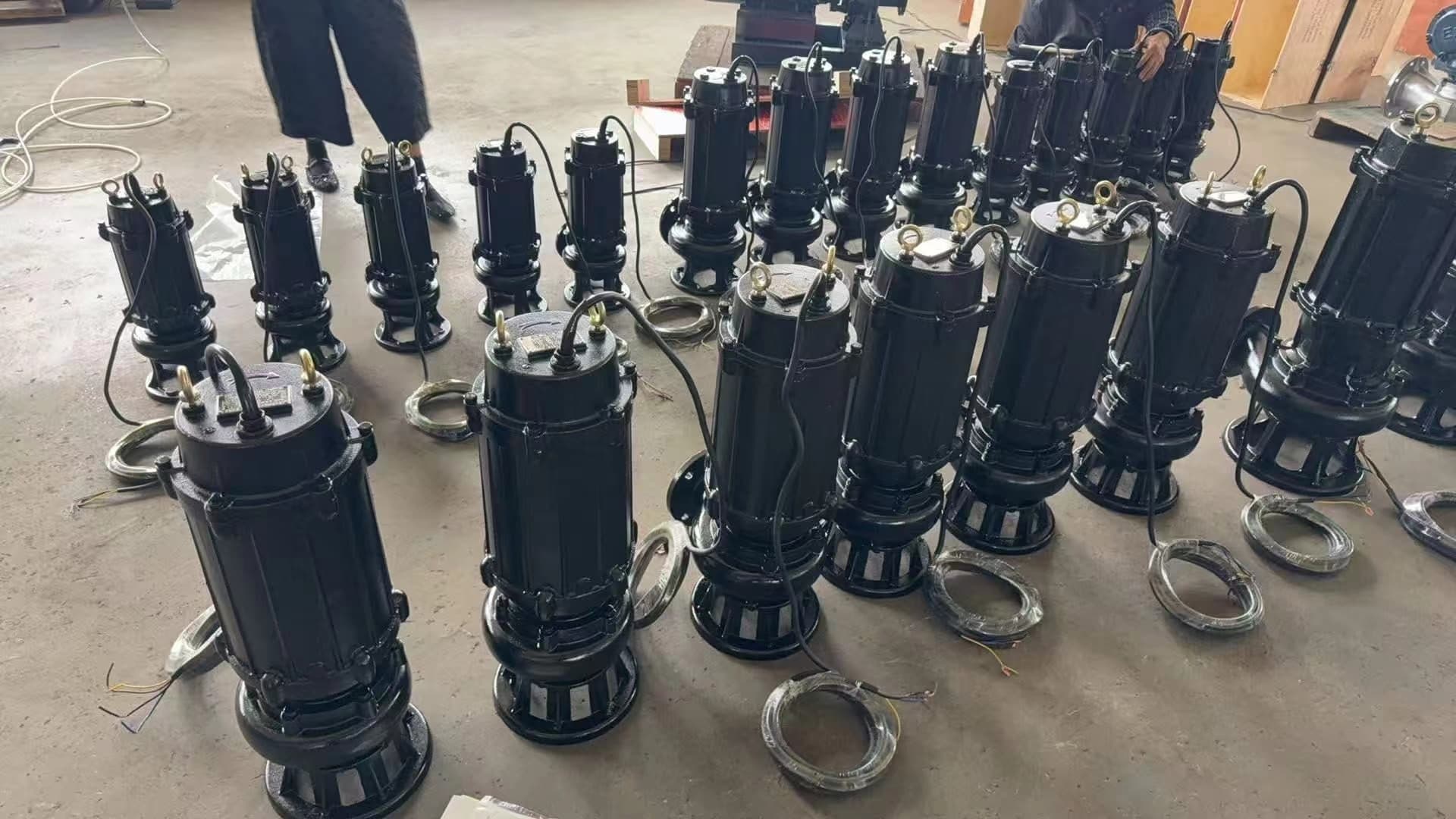 Submersible Sewage Pumps