Industrial sewage treatment systems often receive wastewater from several production areas, so the liquid can change during the day. Solids, fibers and suspended material may be present, and the pump may need to operate automatically with limited supervision. A non-clogging submersible sewage pump is one way to simplify this part of the system.
A Wide Range of Industrial Sources
The supplied WQ/QW product information identifies chemical, petroleum, pharmaceutical, mining, paper, food and power-related applications. The common requirement across these sectors is not one specific liquid; it is the need to move wastewater containing material that can challenge conventional pump passages.
Impeller Options for Solids
The single-channel and twin-channel impeller options provide a relatively open hydraulic passage. The source material describes strong solids-passing capability and reduced risk of fiber wrapping. This makes the pump suitable for many sewage and wastewater transfer duties, although the exact impeller style should be selected from the actual liquid and solids conditions.
Sealing and Motor Protection
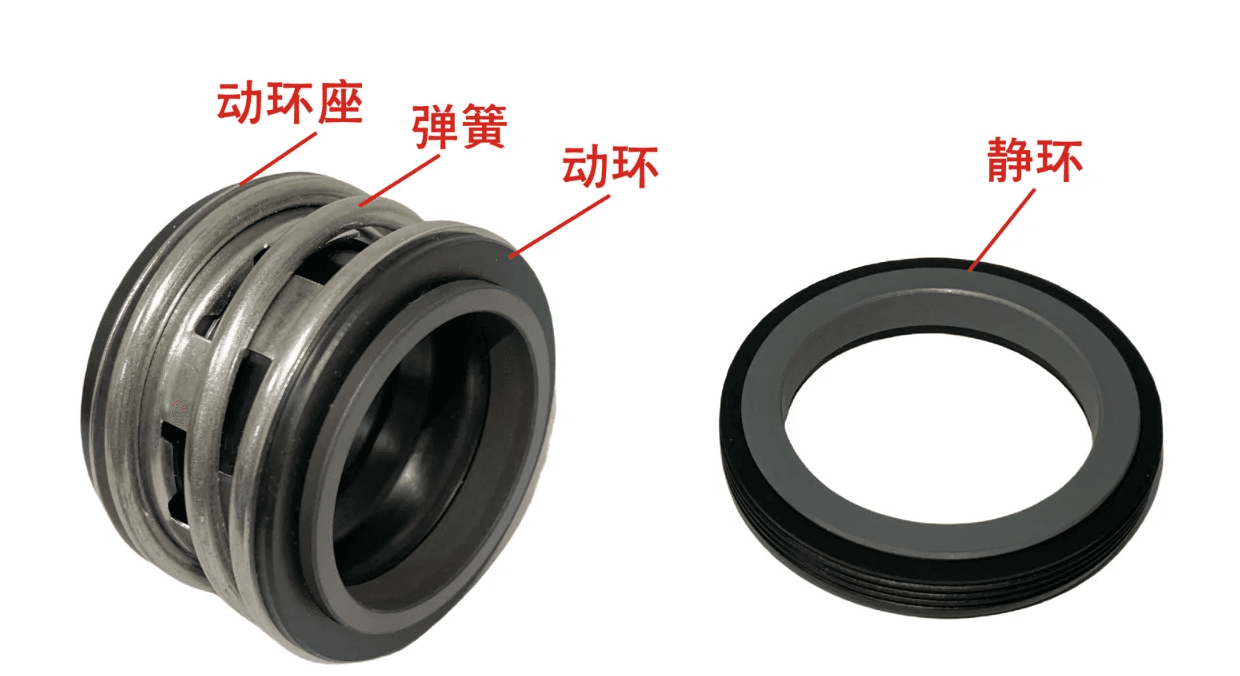
Sealing and protection are also important in industrial service. The documented pump uses a double mechanical seal arrangement and an oil chamber between the motor and pump. A leakage sensor can detect water entering the chamber, while thermal elements in the stator winding can protect against excessive temperature. A control cabinet can add overload and electrical fault protection.
Permanent or Temporary Installation
Installation can be permanent or temporary. Fixed guide-rail coupling is useful for industrial wet wells that require regular inspection. Mobile installation can be used for maintenance, emergency pumping or locations where the pump must be relocated.
Electrical Supply
Industrial customers may also have specific electrical requirements. A 415 V, 50 Hz motor configuration can be requested for projects using that supply. The final motor power and pump model should be selected together with the required flow and head rather than specifying voltage alone.
Liquid Properties Still Matter
Pump selection should also consider liquid temperature, pH, density and chemical compatibility. The supplied documentation includes different operating conditions for different configurations, so the exact model should be confirmed before purchase when the wastewater is aggressive or unusually hot.
Pipe diameter and motor power are the easiest numbers to compare on a spec sheet, and also the least useful ones on their own. What the wastewater actually contains matters more.

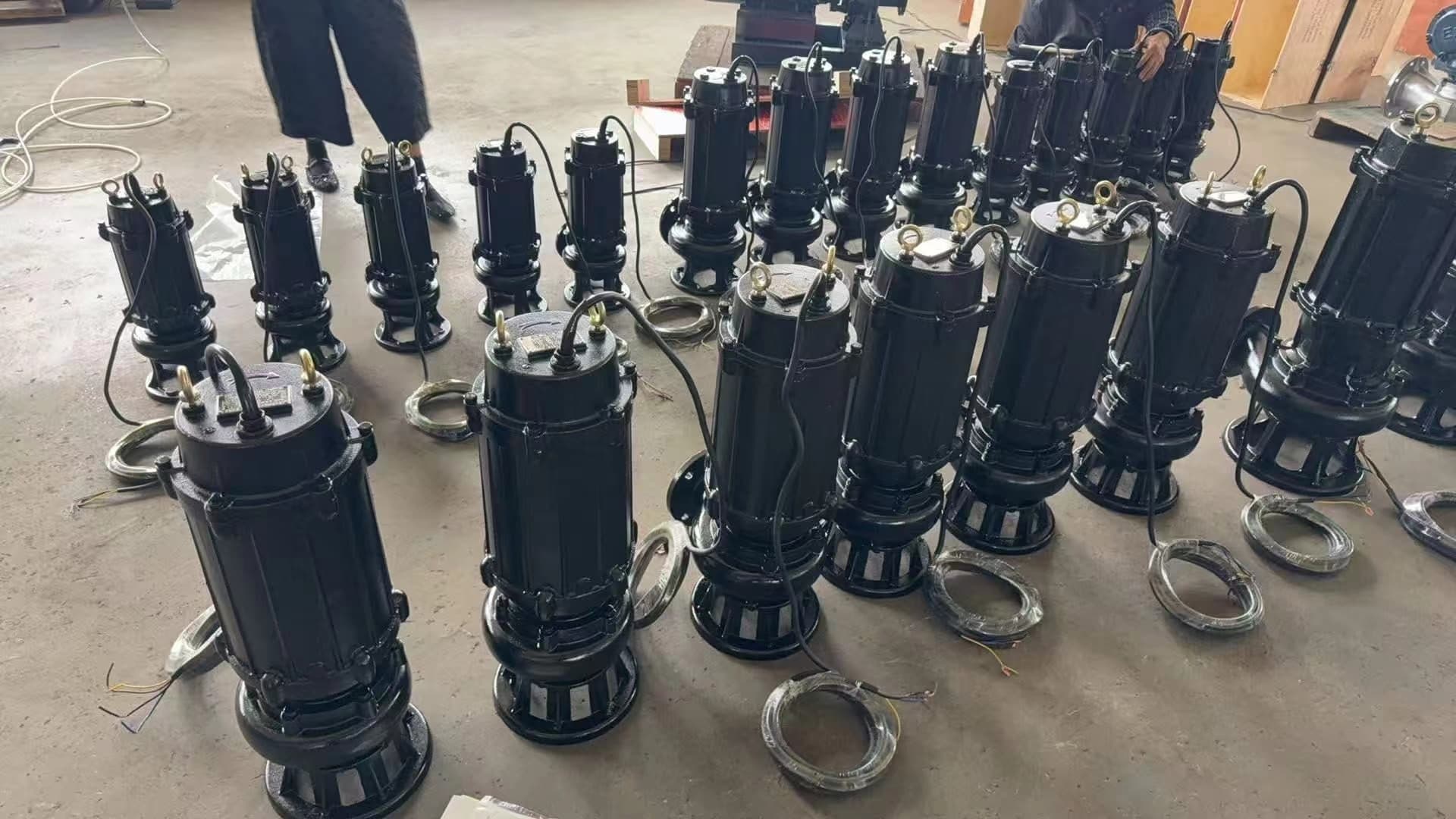 Submersible Sewage Pumps