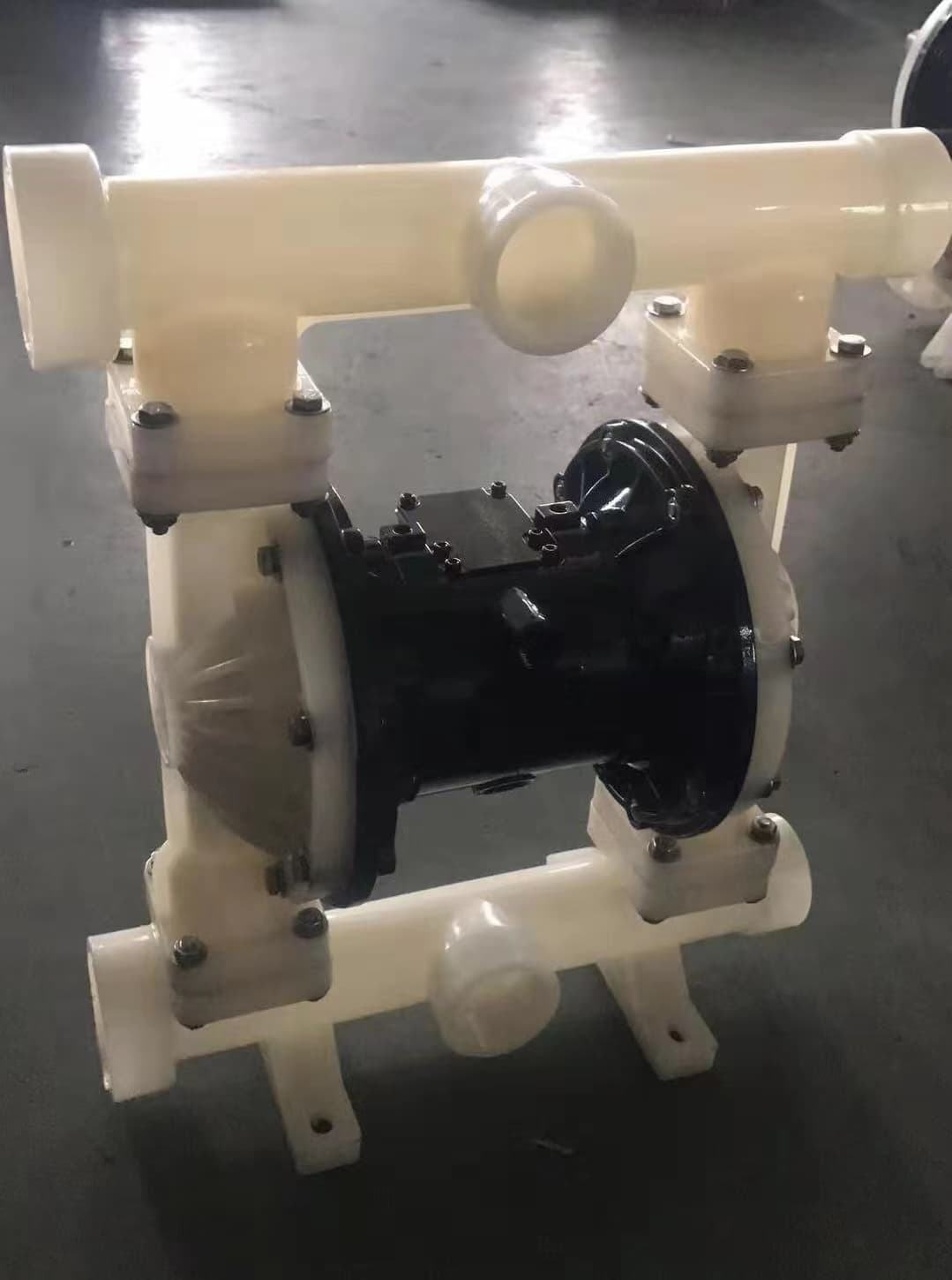
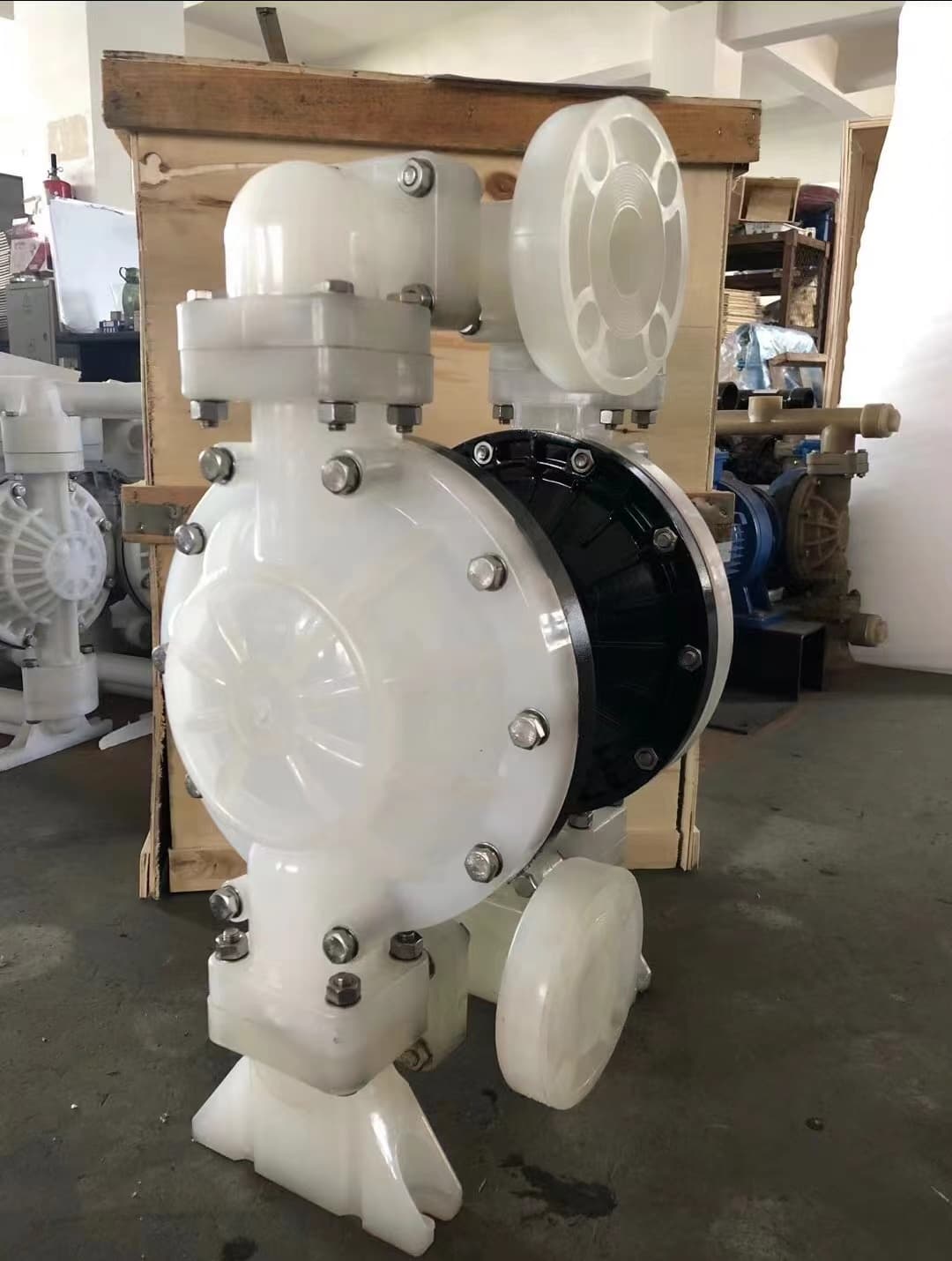
Working Principle Explained SimplyImagine two chambers side by side, each with a flexible diaphragm. A rod connects the two diaphragms. Compressed air enters one chamber, pushing that diaphragm outwar…
Working Principle Explained Simply Imagine two chambers side by side, each with a flexible diaphragm. A rod connects the two diaphragms. Compressed air enters one chamber, pushing that diaphragm outward. This forces liquid out of that chamber while simultaneously pulling liquid into the other chamber. The Cycle Continues When the first diaphragm reaches the end of its stroke, the air valve shifts. Now air enters the second chamber, pushing its diaphragm outward. The first chamber relaxes and fills with liquid again. This back-and-forth motion creates continuous pumping. Ball Valve Action Each chamber has two ball valves — one at the inlet, one at the outlet. When the diaphragm pushes, the inlet ball closes and the outlet ball opens. When the diaphragm pulls back, the inlet ball opens and the outlet ball closes. Simple and reliable.
Why This Matters • No rotating parts — less wear • No close tolerances — solids pass through • Self-priming — air in the line doesn’t stop it • Dead-head safe — pump stops when discharge is closed Applications Summary: general fluid transfer, chemical dosing, slurry handling, food processing, wastewater, mining Thanks for reading from HAQUANPUMP. We manufacture QBY diaphragm pumps for industries worldwide. Reach out if you have questions about how they work or which model fits your needs.
How much does a QBY air diaphragm pump weigh, how is it packed, and how fast can it ship? Real figures from our orders, plus the spares to order with it.

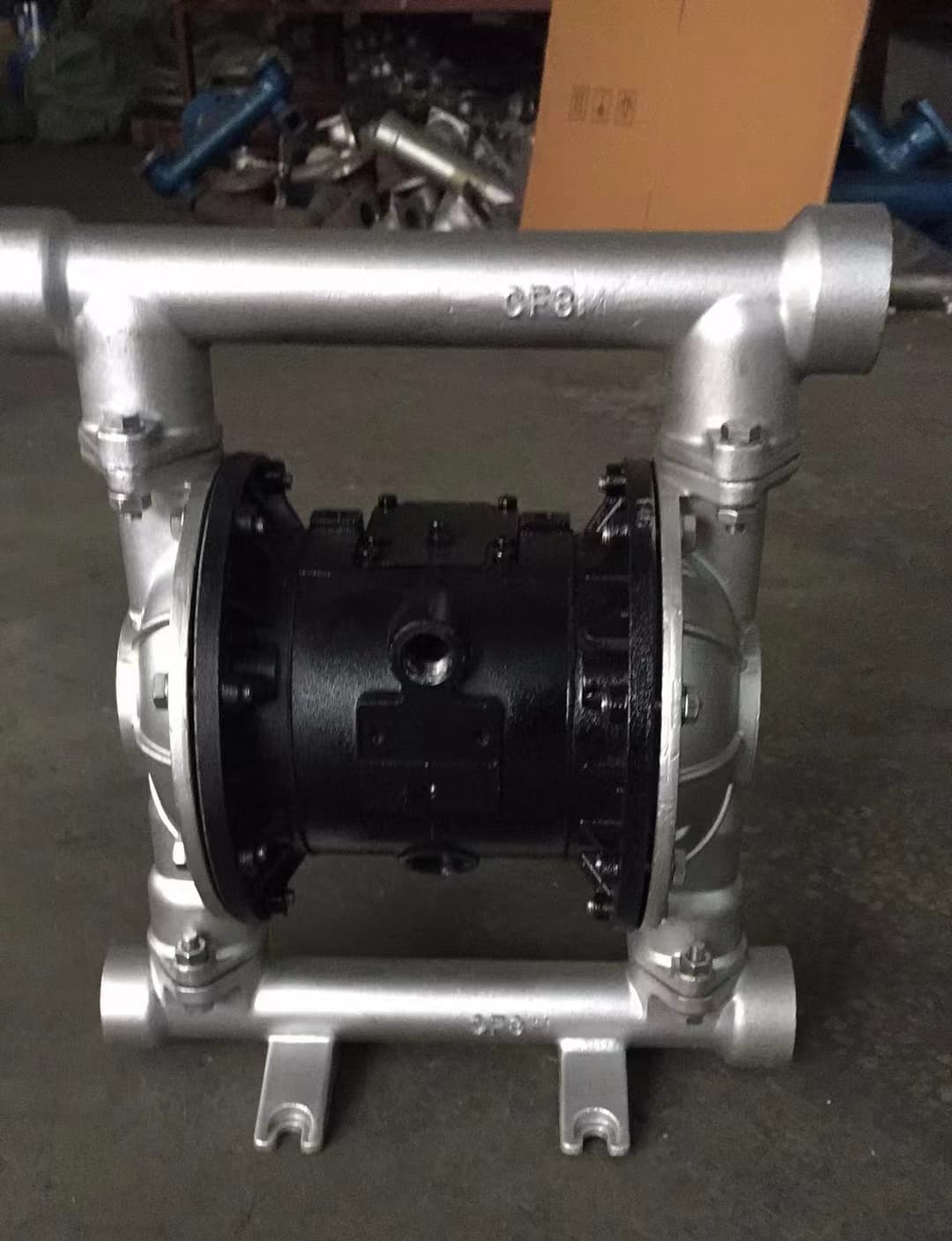
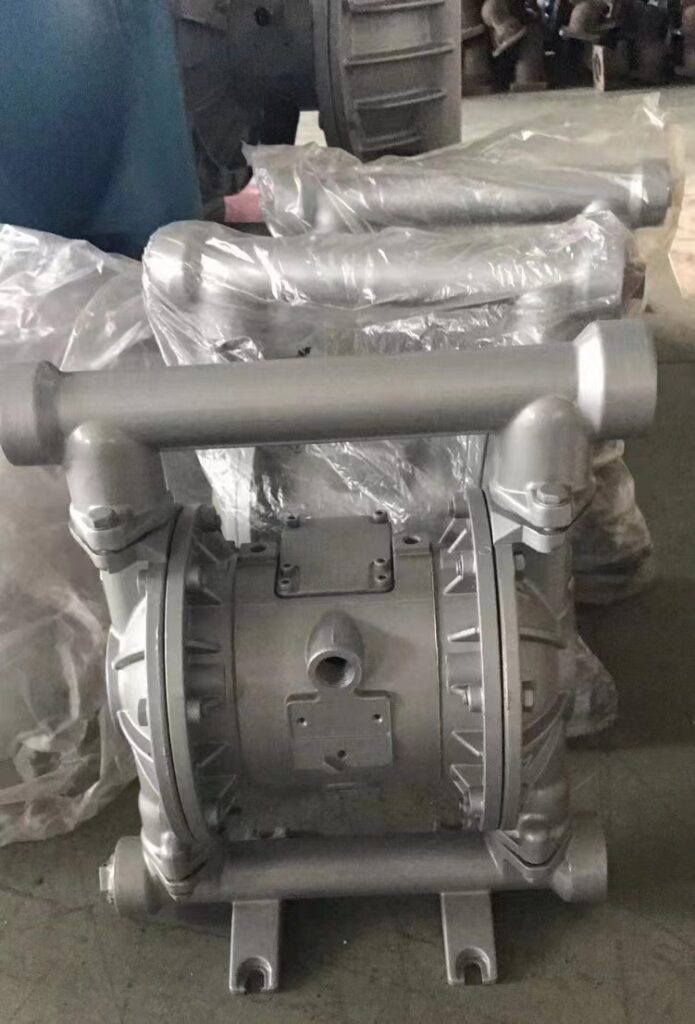
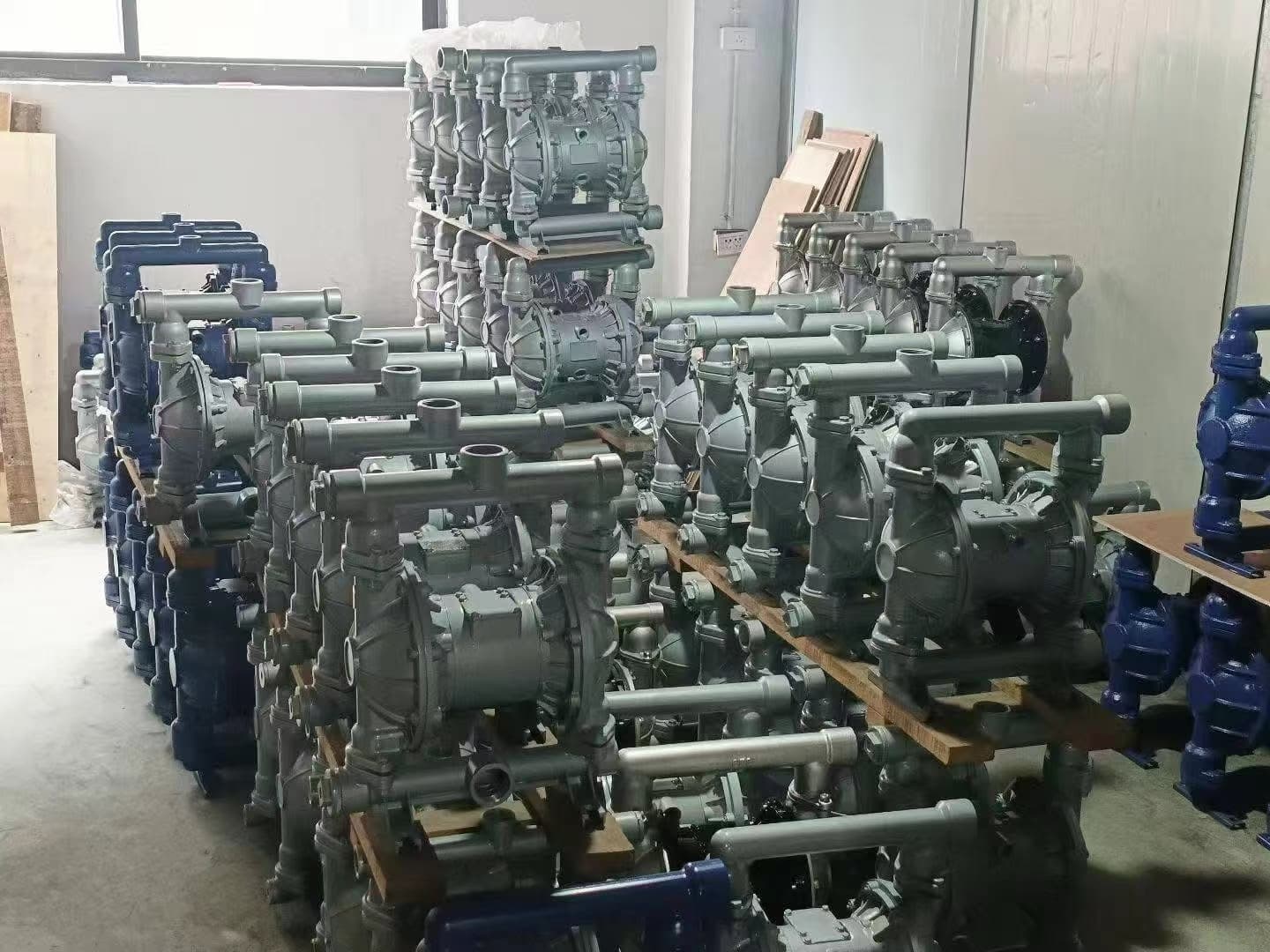 QBY Air-Operated Diaphragm Pump (AODD)