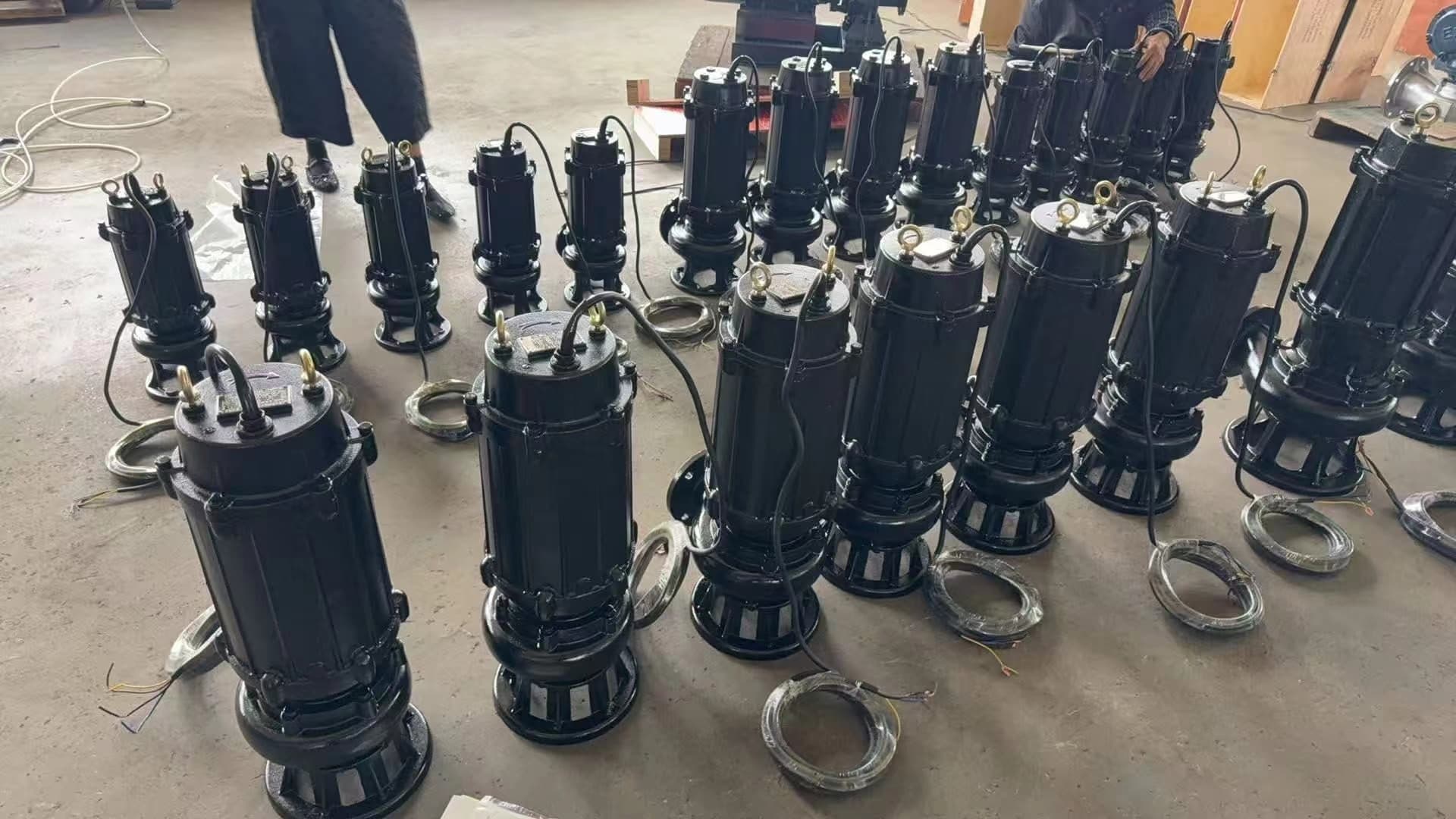
Choosing a submersible sewage pump should not start with the largest available motor. The right model is the one that matches the required flow, head, liquid characteristics, solids and installation conditions. A few minutes spent defining the duty can prevent an expensive mismatch later.
Start With Flow and Head
Flow and head are the first two numbers to establish. Flow tells the manufacturer how much liquid needs to be moved, while head represents the pressure requirement the pump must overcome. Pipe length, elevation, valves and fittings all affect the real system head. The WQ/QW information supplied for this product family lists broad operating ranges, but the individual model should always be checked against the actual duty point.
Look at the Wastewater Itself
Next, look at the wastewater itself. If the liquid contains long fibers or relatively large solids, a non-clogging single-channel or twin-channel impeller can be more appropriate than a conventional closed multi-vane design. The supplied material describes the ability to pass significant fibrous and solid material, but the actual allowable particle size depends on the selected pump.
Installation
Installation is another major decision. Permanent stations often benefit from a fixed automatic coupling system with guide rails. This arrangement can simplify pump removal because the pump can be lifted from the wet well without personnel entering the pit. A mobile installation with a flexible discharge connection can make more sense for temporary pumping or emergency work.
Protection Features
Then consider protection. A submersible motor works in a demanding environment, so leakage and temperature monitoring are valuable. The documented design can include an oil-chamber leakage sensor and thermal elements in the motor winding. An automatic control cabinet can add protection for leakage, phase loss, short circuit, overheating and overload. A float switch can provide automatic level control.
Electrical Supply
Finally, confirm the electrical supply. If the project requires 415 V, 50 Hz, that requirement can be included in the customization request. It should be confirmed together with motor power and the control arrangement, not treated as a separate afterthought.
Send a manufacturer those numbers before asking for a model name, and the recommendation that comes back is more likely to fit the site than the catalog.


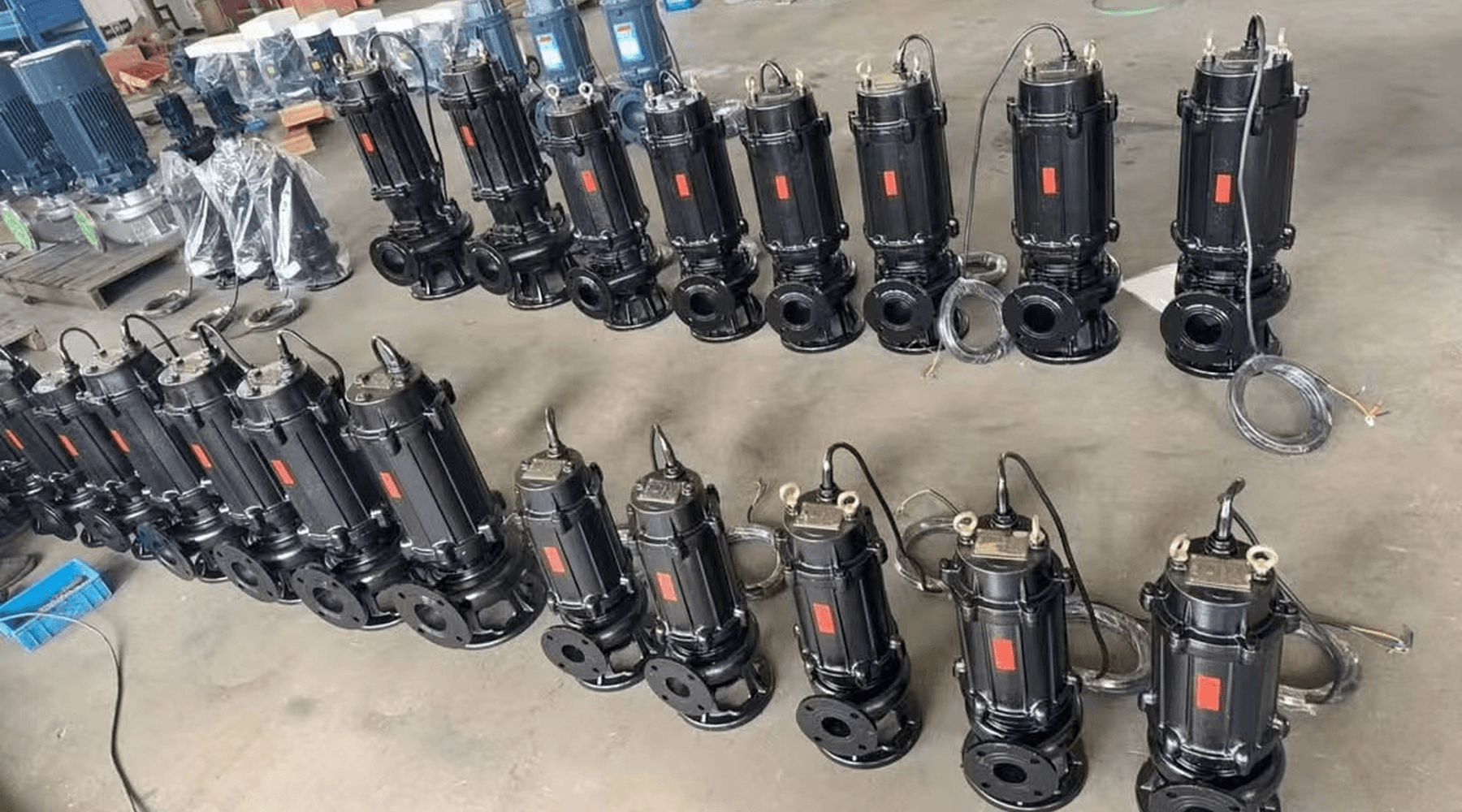 Submersible Sewage Pumps