
Pipeline Pump Motor Overload and Hot Bearings: Causes and Fixes
October 23, 2026 2 min read Haquan
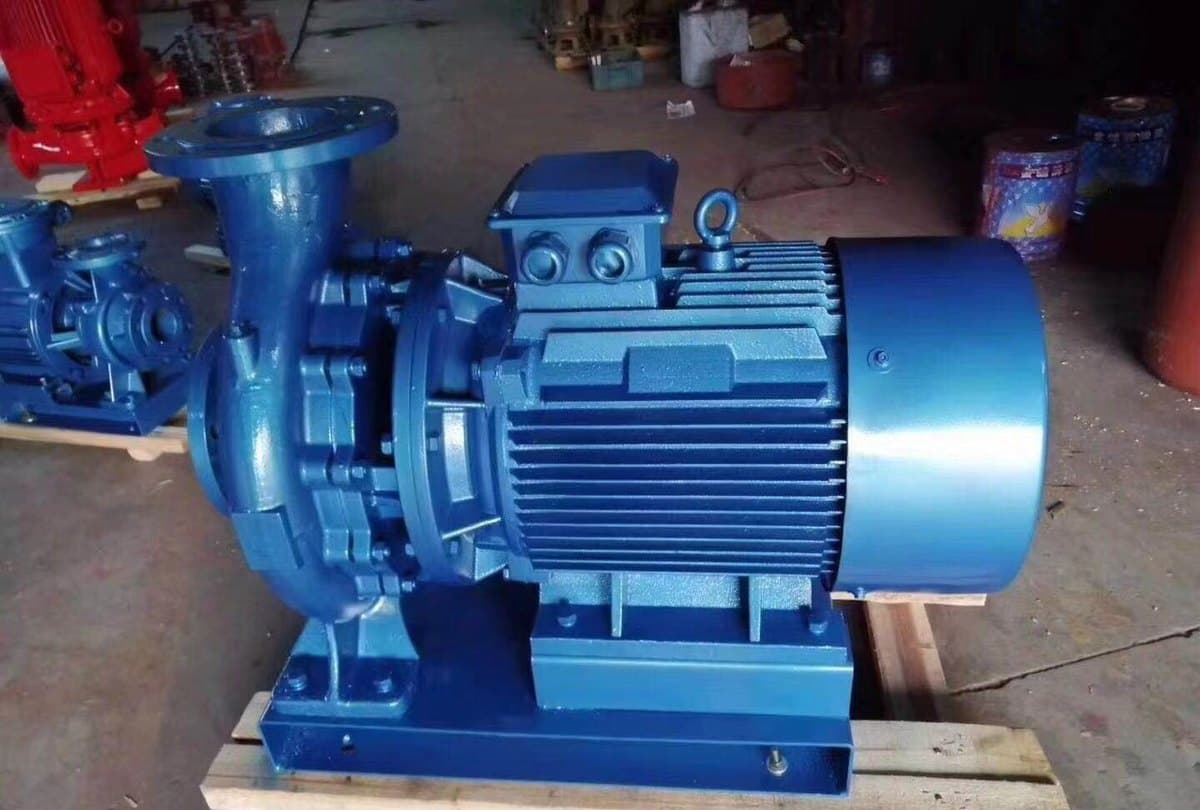
The motor trips or draws too much current
- Flow far above the rated range because the system head is lower than planned: throttle the discharge valve or choose a trimmed impeller
- Liquid much heavier than water: the motor must be sized for the real density
- Supply voltage too low
- Mechanical damage in the pump or motor
The bearings run hot
- Bearing worn or damaged: replace
- Grease too little, or too much. Grease-packed bearings are filled to about two-thirds to three-quarters; overfilling makes them run hot
- Dirty or wrong lubricant: replace it
- Bent shaft or poor alignment: straighten or realign
Bearings normally run at around 60 °C. If they climb well above that, stop and find the cause before damage spreads.
Products in This Series
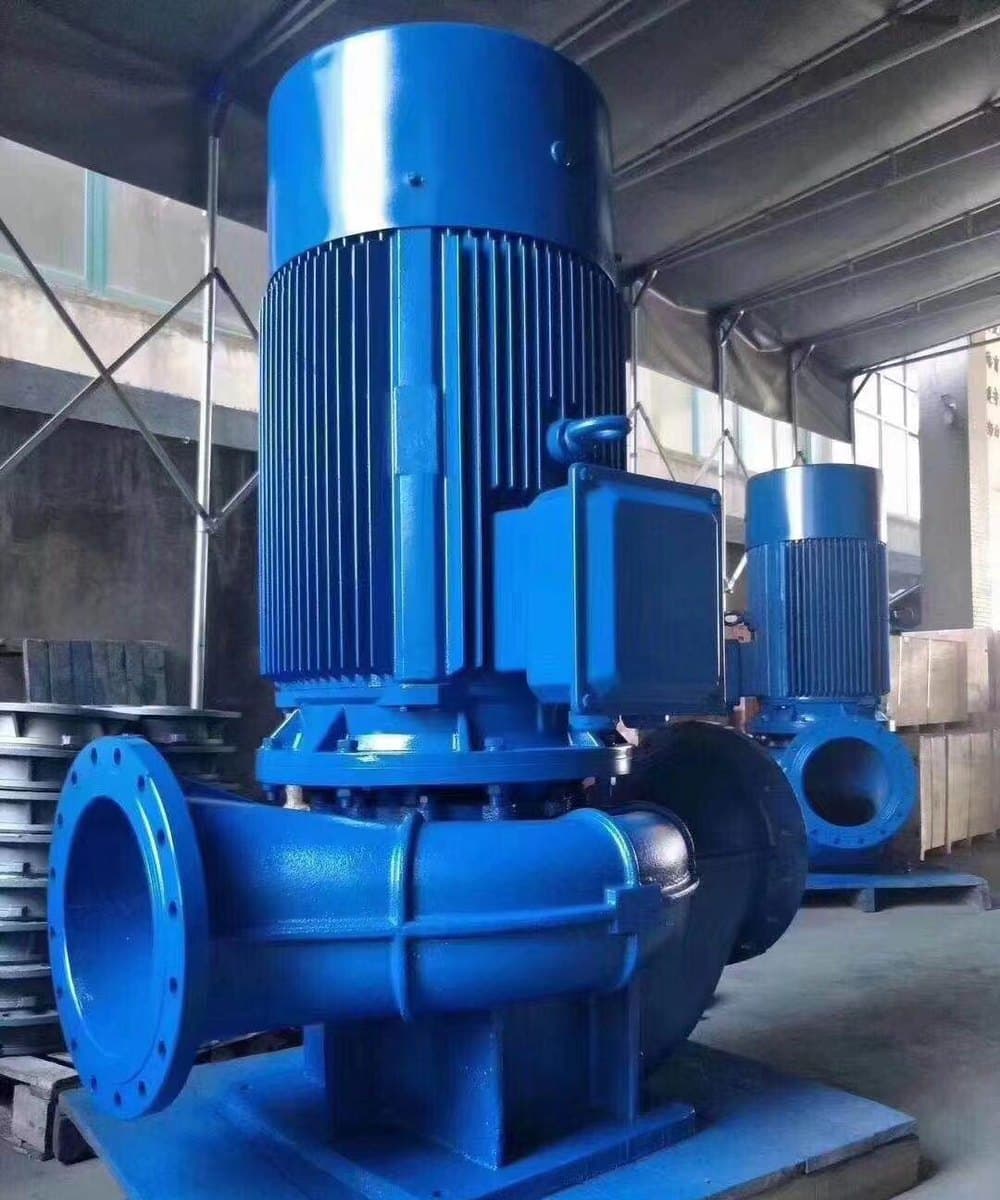 Pipeline Centrifugal Pumps & CDL Multistage Pumps
Pipeline Pumps for HVAC Chilled and Condenser Water Circulation
Vertical inline pumps for chilled water and condenser water loops in HVAC systems: what sets the flow and head, and why closed-loop pressure matters.
—
Flow Rate (m³/h)
—
Head (m)
—
Power (kW)
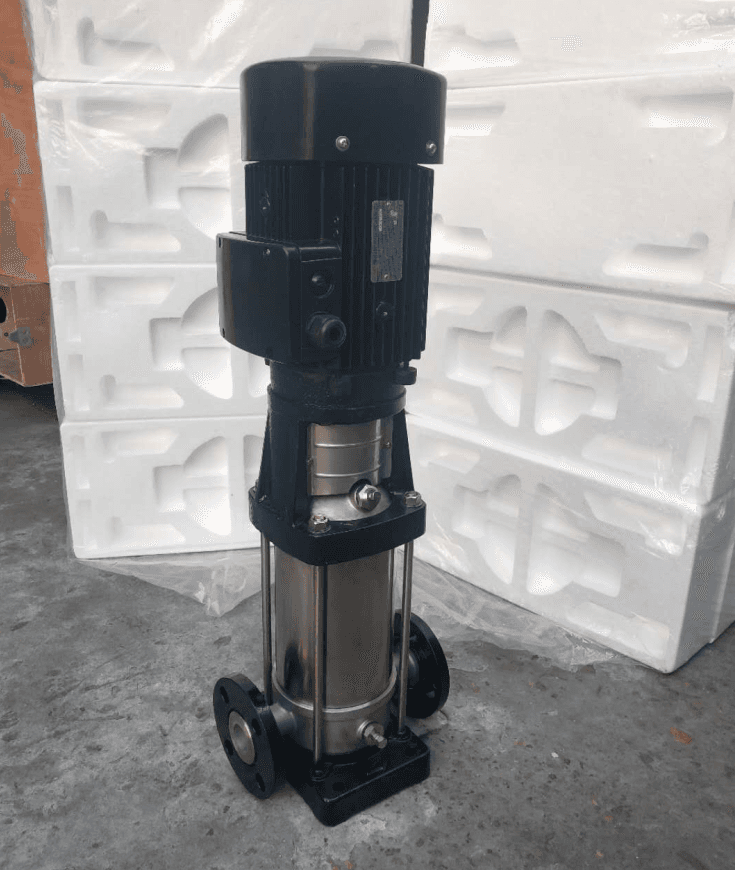 Pipeline Centrifugal Pumps & CDL Multistage Pumps
60 Hz and Special Voltage Pipeline Pumps and CDL Multistage Pumps
Pipeline and multistage pumps for 60 Hz and 380, 440 or 460 V supplies. Why a 50 Hz pump overloads on 60 Hz and what to send us.
—
Flow Rate (m³/h)
—
Head (m)
Motors wound for 60 Hz and the site voltage
Power (kW)
Pipeline Centrifugal Pumps & CDL Multistage PumpsA, B and C Trimmed Impellers: Matching a Pipeline Pump to the Duty
The A, B and C at the end of a pipeline pump model mark trimmed impellers. How trimming lowers head and power, with the 40-250(I) family as an example.
—
Flow Rate (m³/h)
—
Head (m)
—
Power (kW)
Need a pump for your application?
Our engineers respond to technical inquiries within 24 hours.
Get a Quote