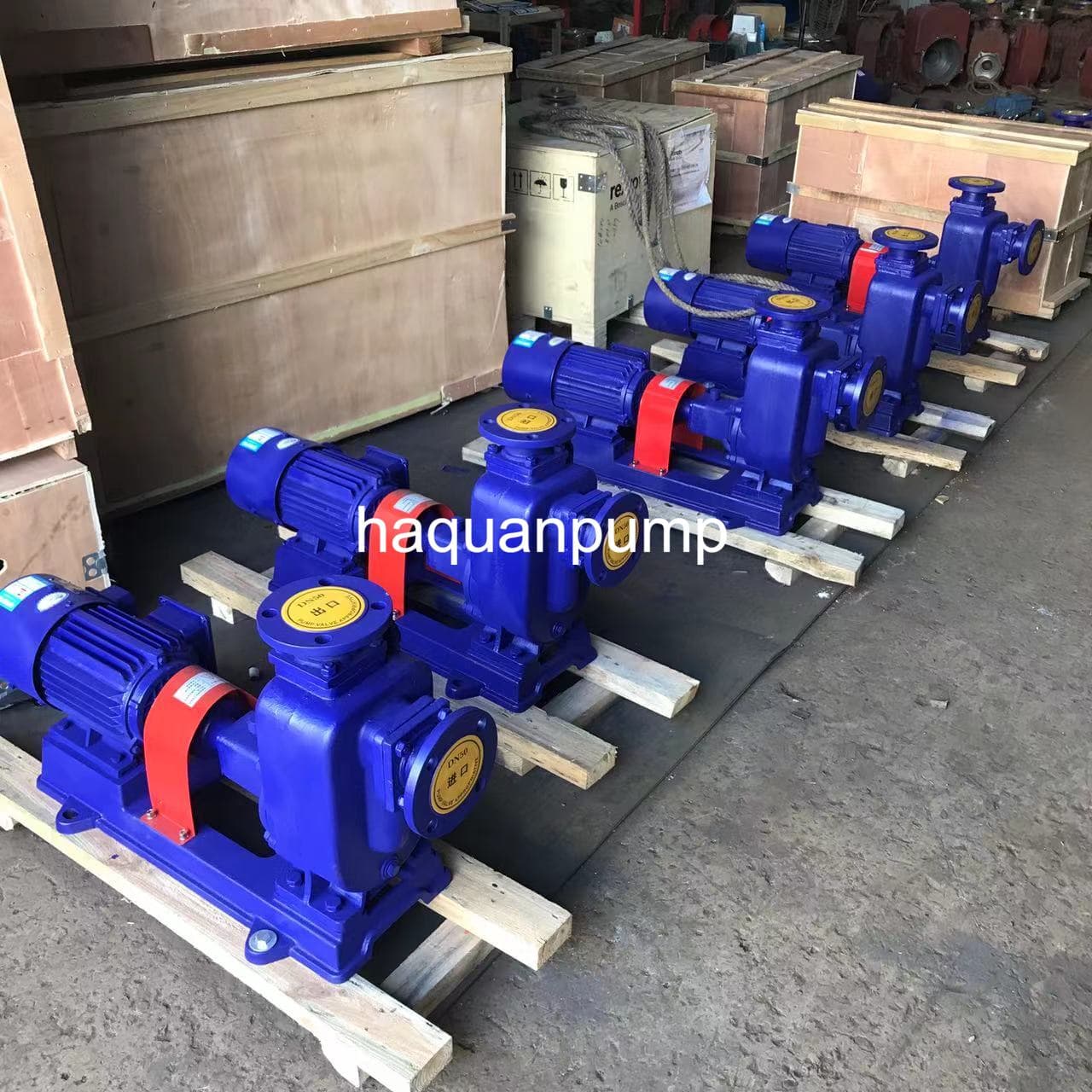
When the ZW self-priming sewage pump delivers less flow than expected, several factors may be responsible. Blockage in the impeller channel or suction pipe is a common cause. Debris, fibers, or solid…
When the ZW self-priming sewage pump delivers less flow than expected, several factors may be responsible. Blockage in the impeller channel or suction pipe is a common cause. Debris, fibers, or solid particles may accumulate and restrict flow. Disassemble and clean the affected components.
Worn impeller is another frequent cause of reduced performance. After extended service, the impeller vanes may wear down, reducing pumping efficiency. Inspect the impeller and replace if significant wear is detected. Regular inspection of the impeller during maintenance intervals helps identify wear before it affects performance.
Insufficient power supply or low motor speed can also reduce pump output. Verify that the motor is receiving correct voltage and operating at rated speed. Check that all three phases are present for three-phase motors. If the motor is overloaded, the thermal protection may reduce speed or trip intermittently.
Need More Information? If you need more details about the ZW self-priming sewage pump or have questions regarding its operation and application, please contact our engineering team at Haquan Pump Valve. We will serve you with wholehearted dedication. Your satisfaction is our greatest pursuit.
Maintaining a stock of essential spare parts minimizes downtime for the ZW self-priming sewage pump. The most frequently replaced wearing parts include mechanic…
Proper storage of the ZW self-priming sewage pump is important when the pump will not be used for extended periods. Before storage, drain all liquid from the pu…

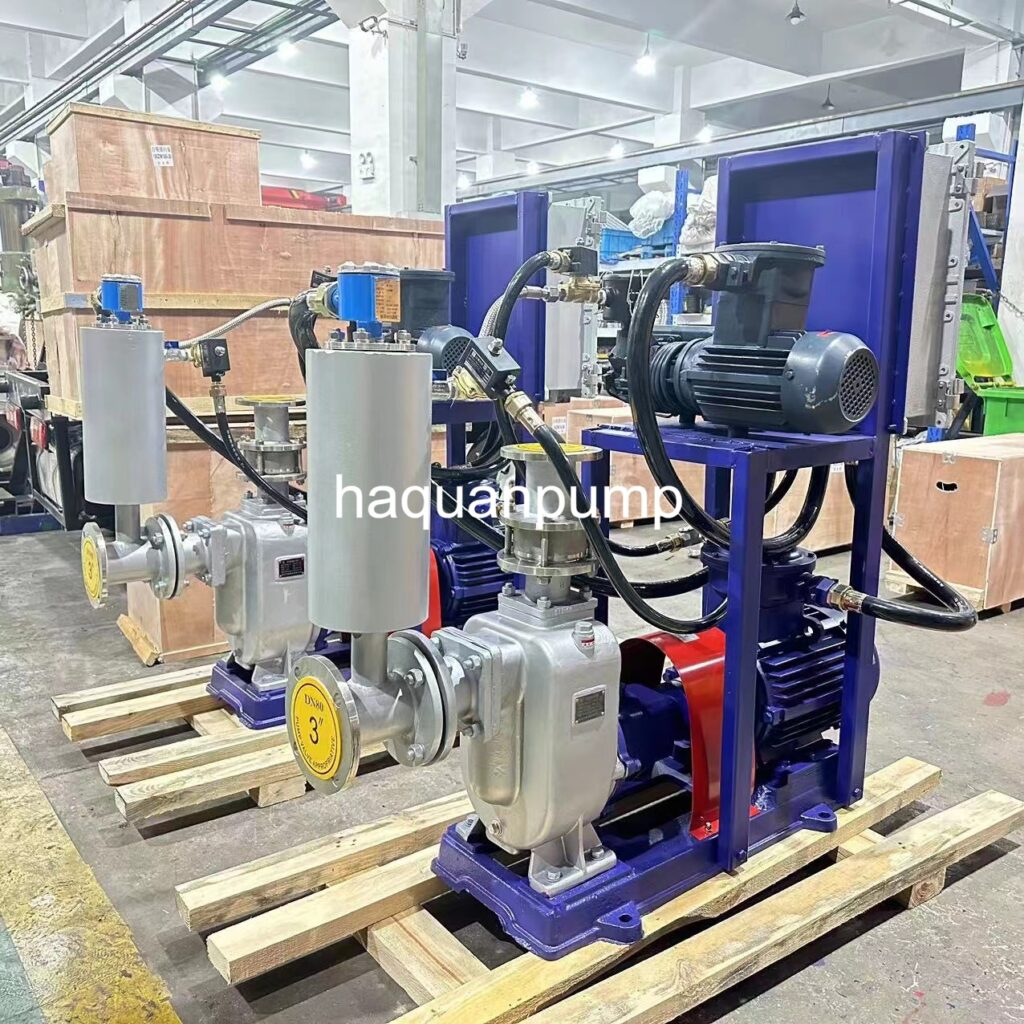
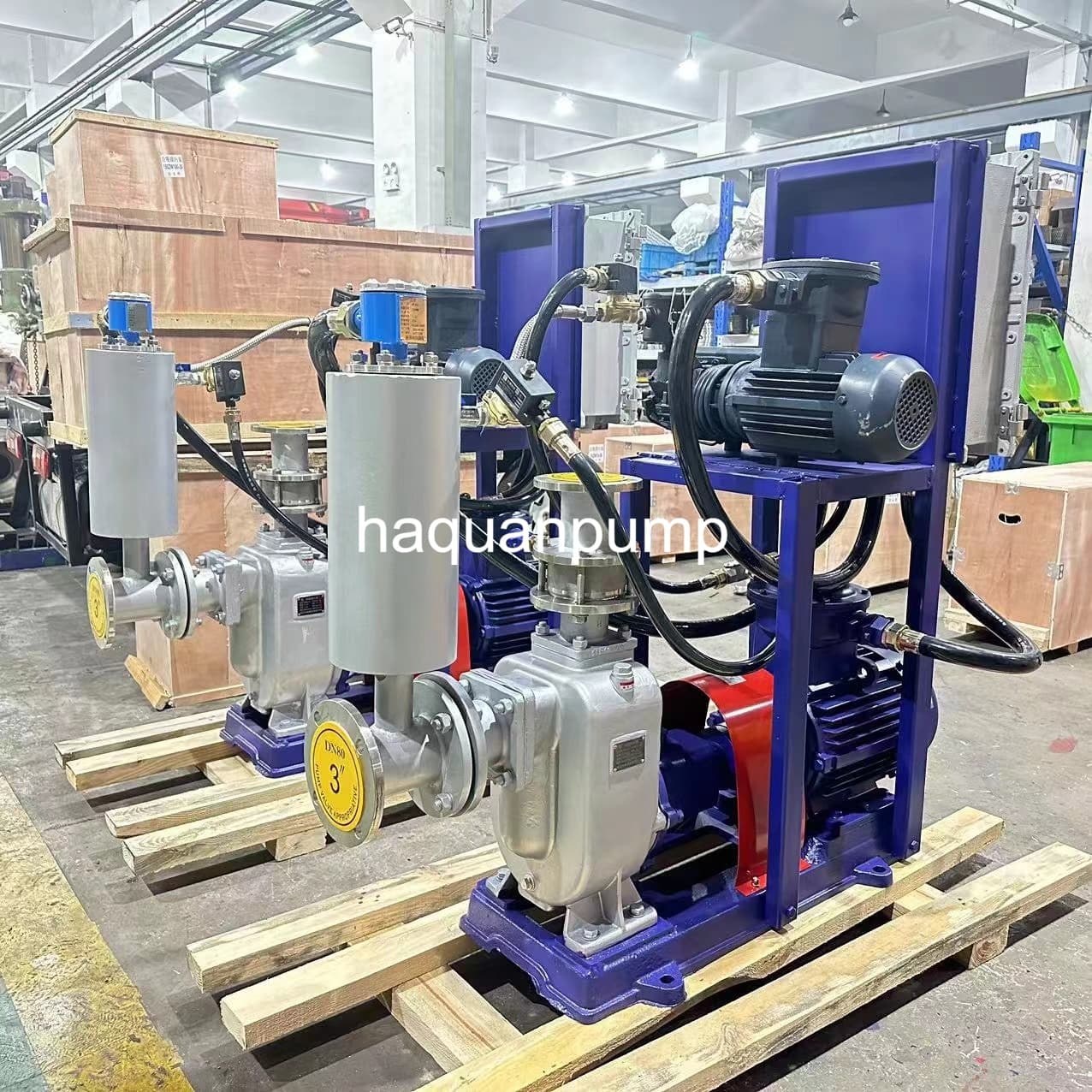 ZW Self-Priming Sewage Pump