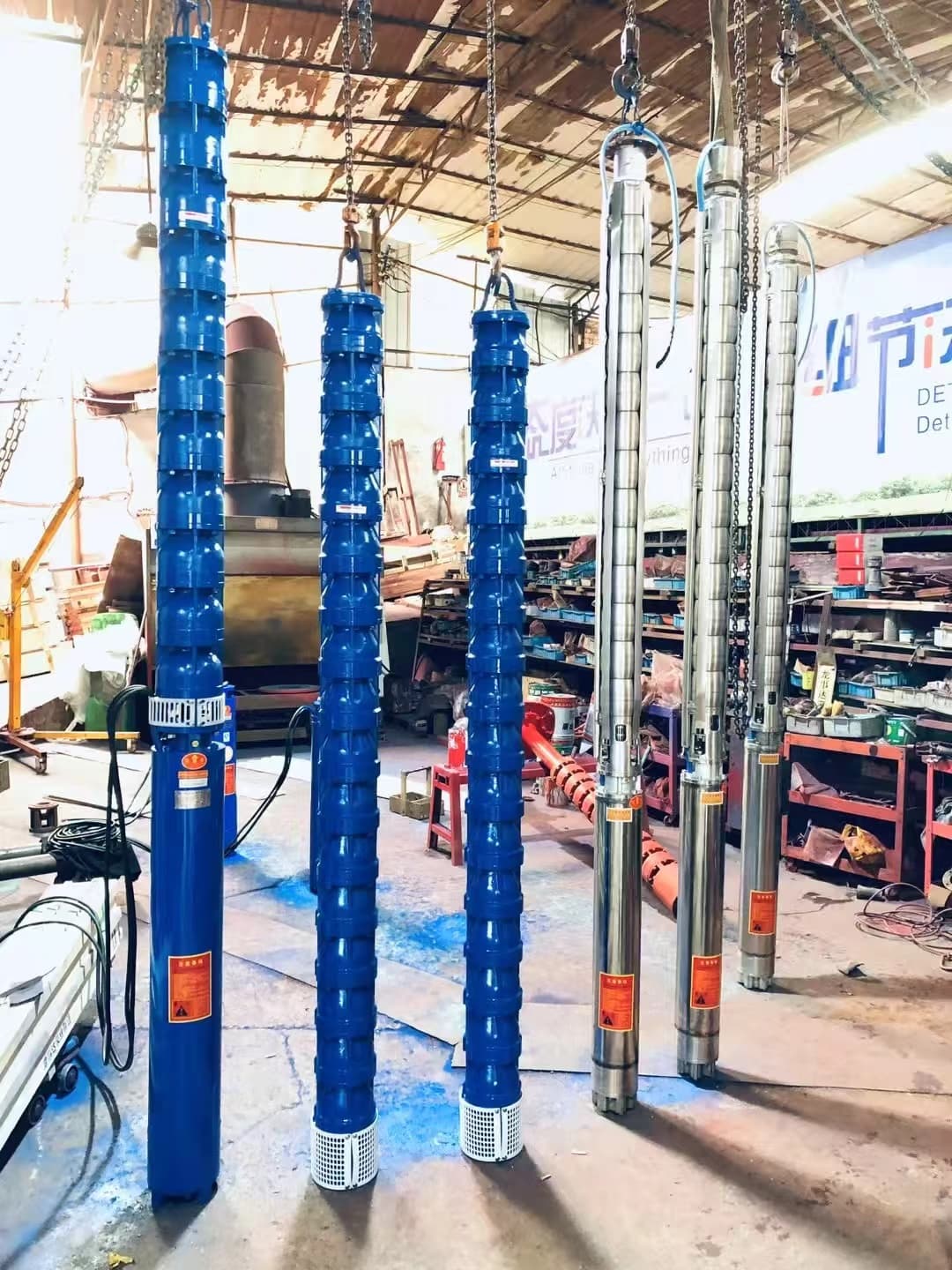
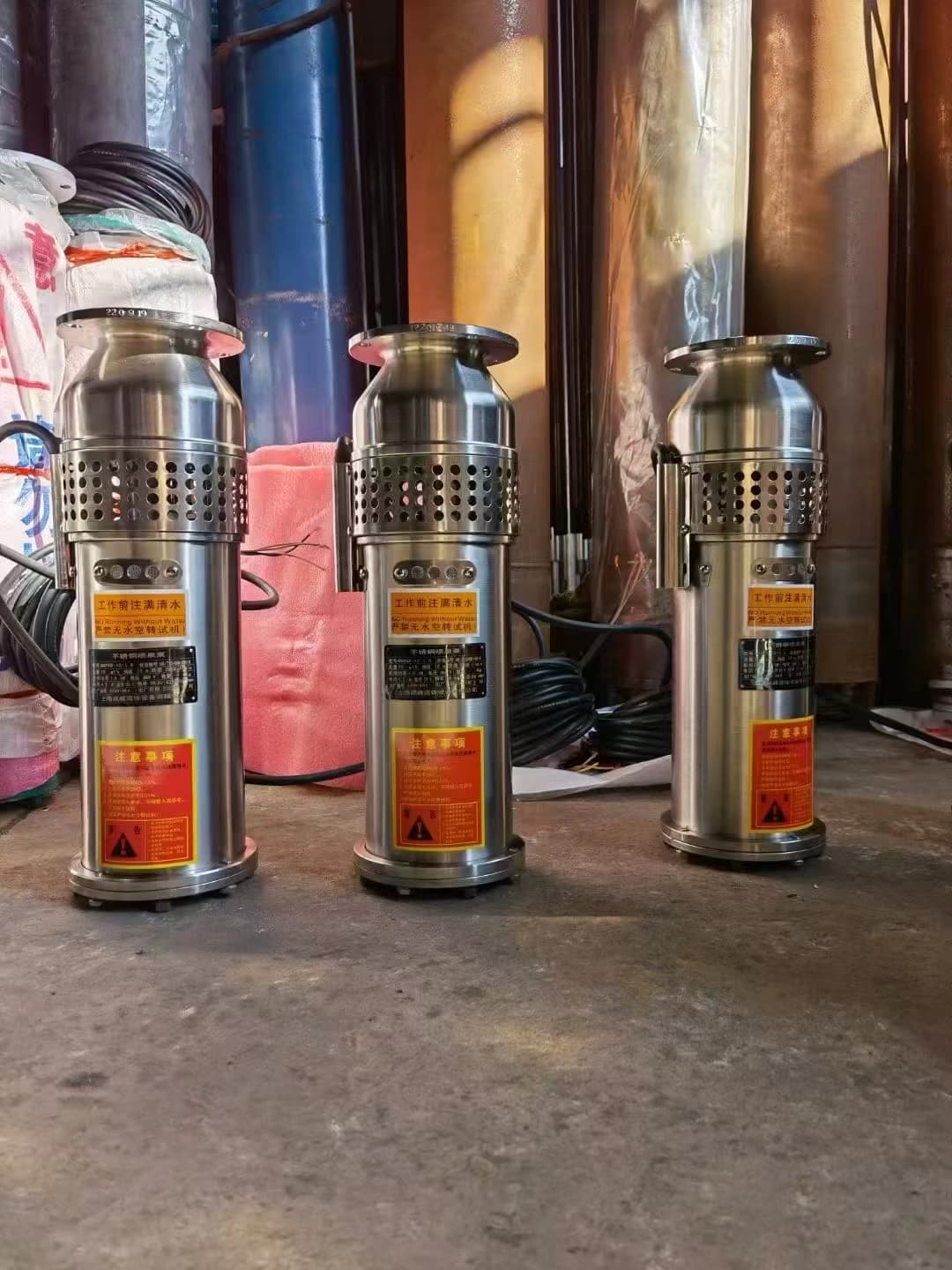
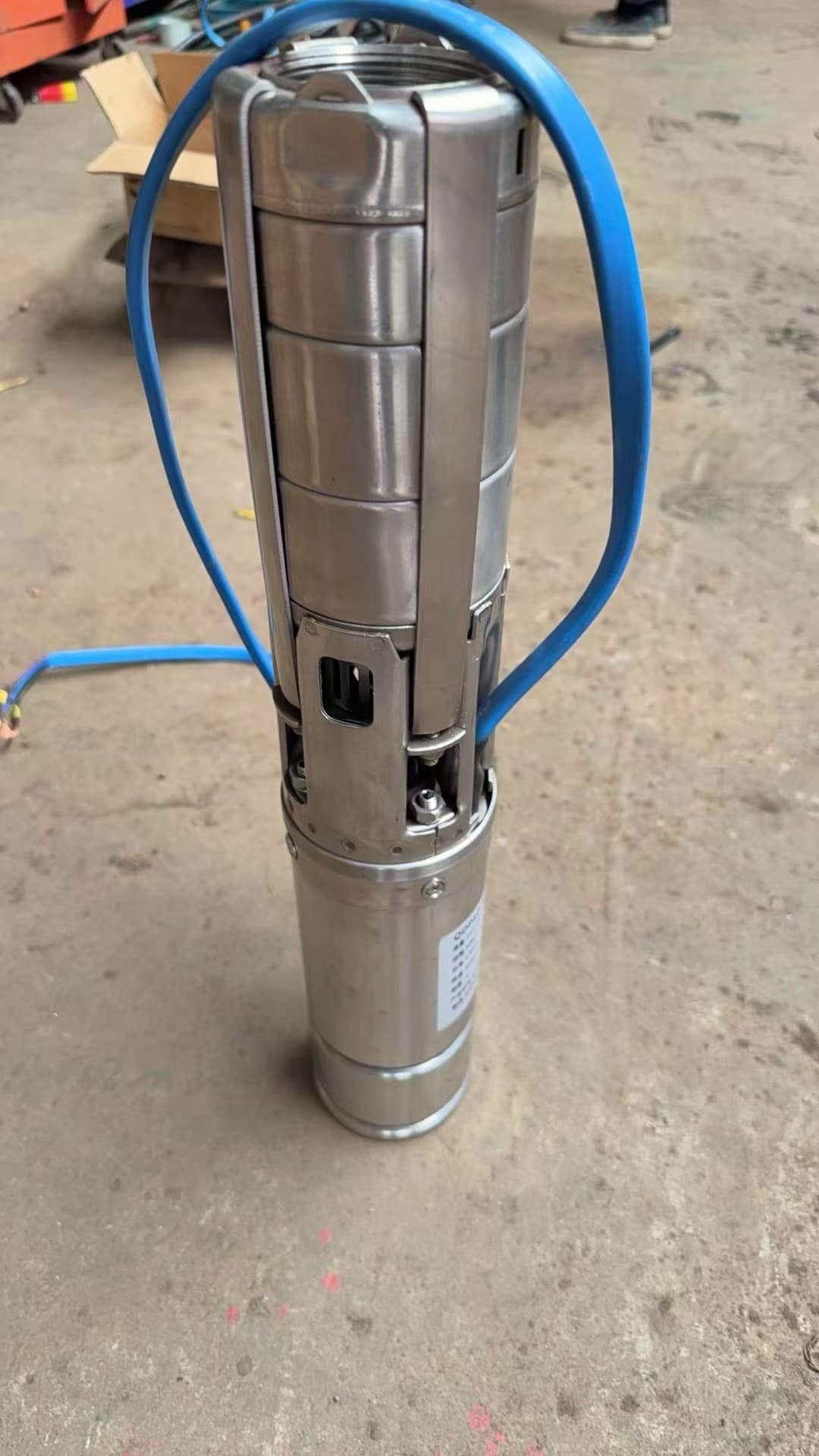
Groundwater is not always friendly. Near the coast it can be brackish, in some areas it is acidic, and some water simply rusts cast iron quickly. A stainless steel deep well pump, like the one in the photo, keeps its clearances and its efficiency much longer in that kind of water, and it does not add rust to drinking or process water.
Signs that you need stainless steel
- The water tastes salty, or a water analysis shows high chloride
- An earlier cast iron pump came out of the well heavily rusted or pitted
- The water is for drinking or a clean process where rust staining is a problem
- The pump is for seawater or for a corrosive industrial liquid
Which stainless steel?
For mildly corrosive or clean water, 304 stainless steel is usually enough. For salt water and chlorides, 316 is the safer grade because of its molybdenum content. If you have a water analysis, send it with the enquiry and we will recommend the grade.
The rest of the set matters too
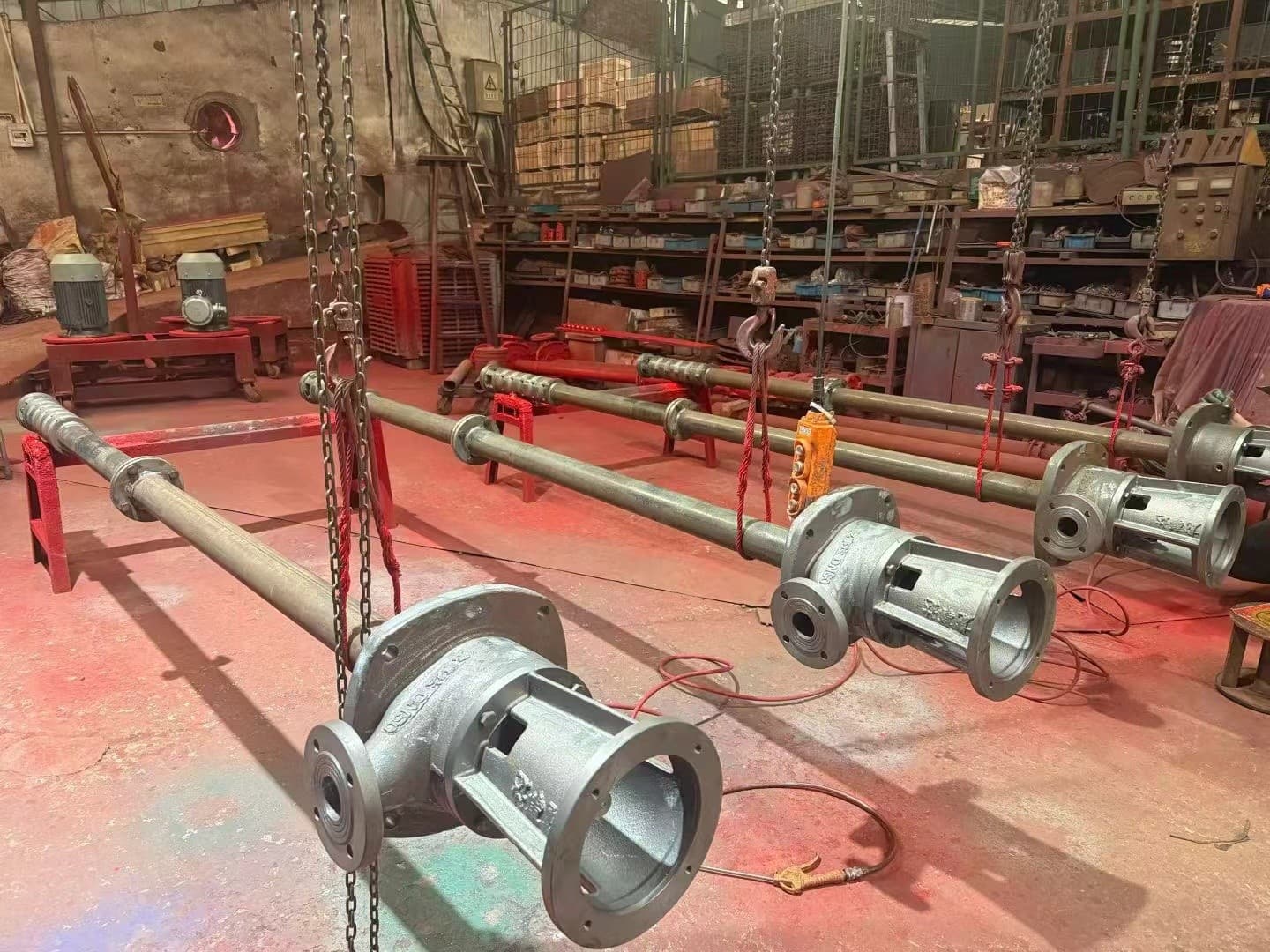
Corrosion does not stop at the pump. The riser pipe, the cable joints and the fasteners at the well head all sit in the same water, so plan them in materials that will last as long as the pump.

 Deep Well Pumps