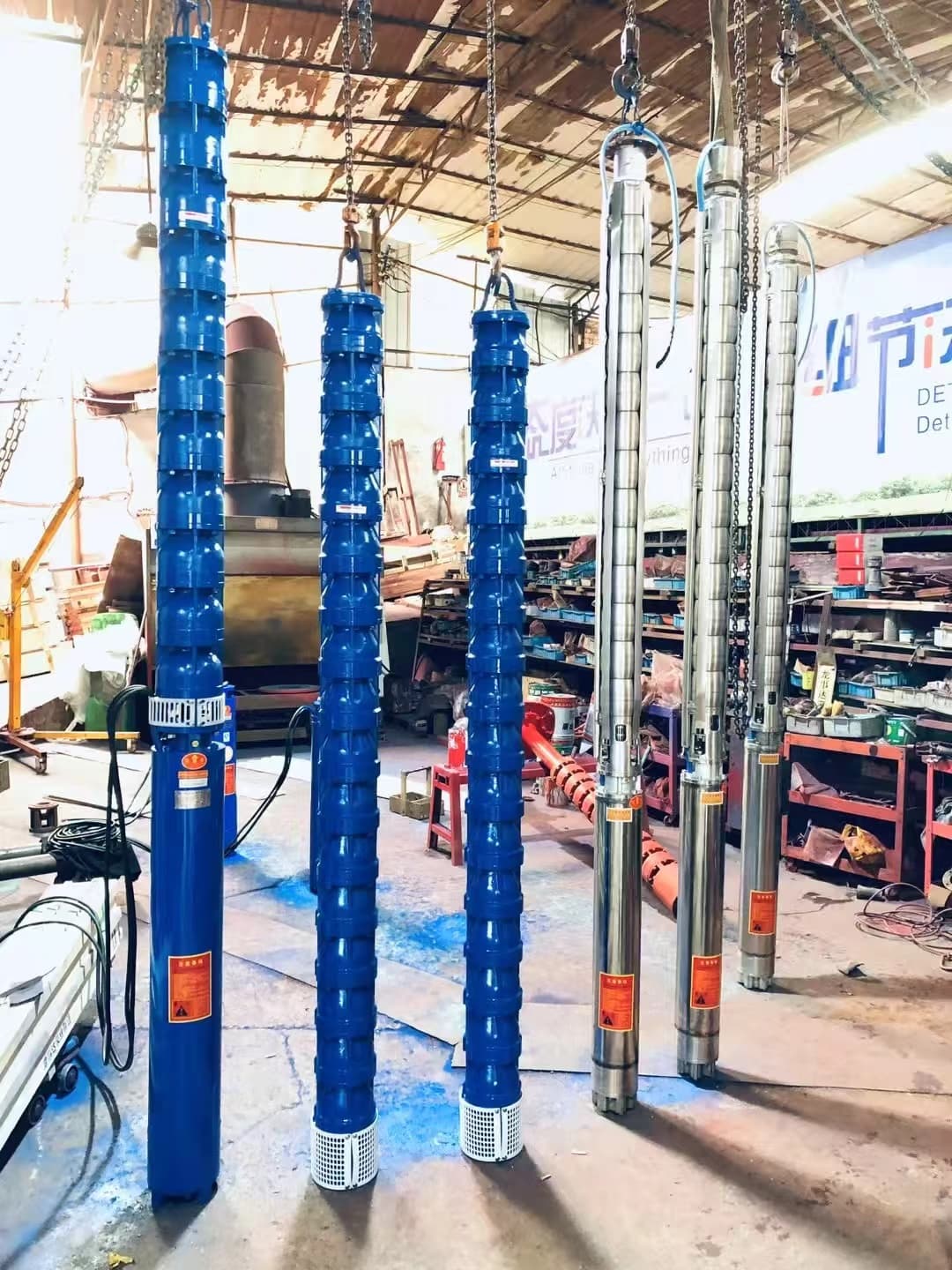
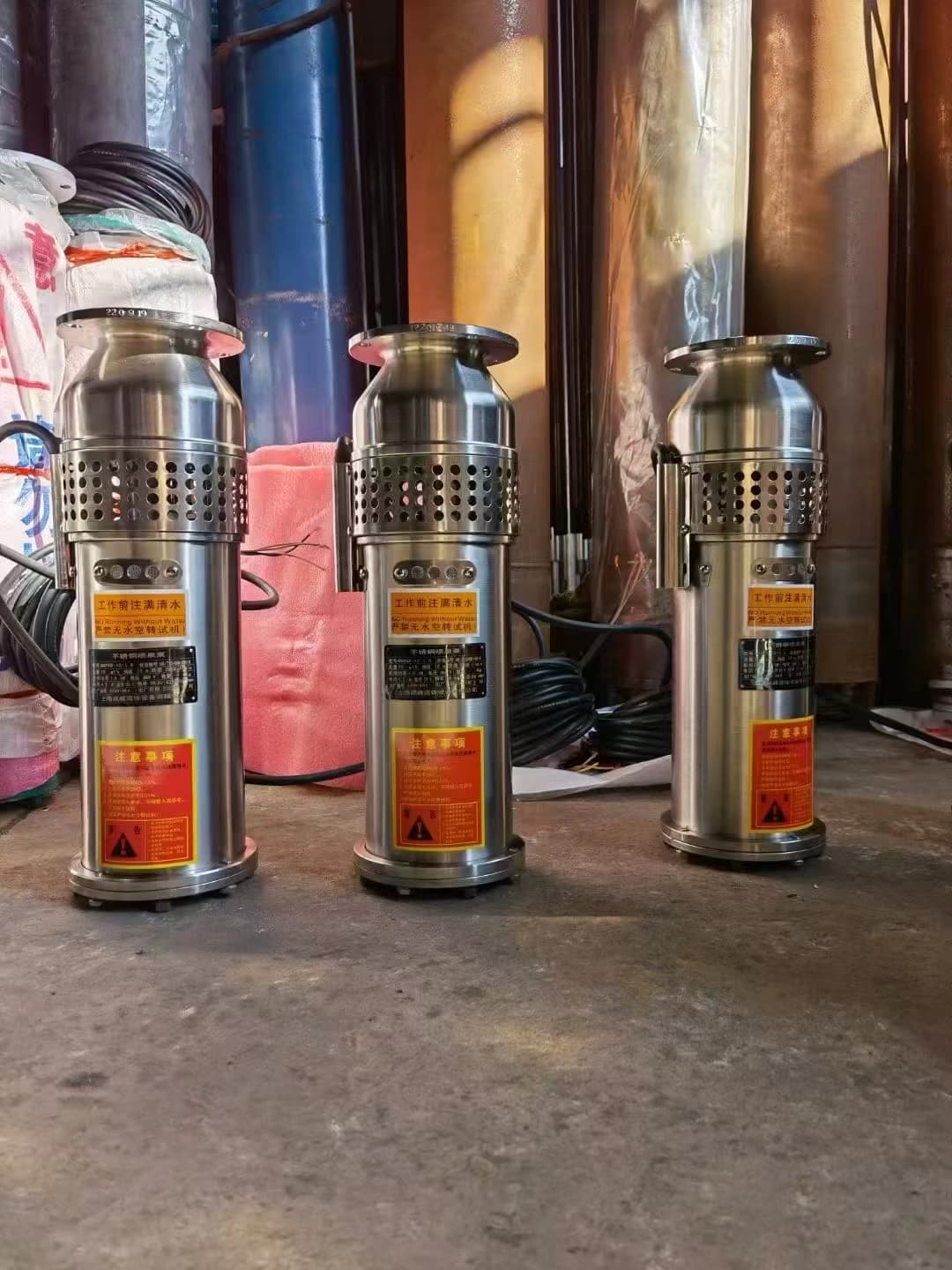
A deep well pump works out of sight, so the meters on the control panel are your only view of it. Run it close to its rated point, adjust flow and head with the valve, and never let it run overloaded.
Stop the pump at once if
The current is well above the rated value at rated voltage. More than 20% over is a firm limit
The supply voltage is far too high or too low
The flow at normal head has dropped noticeably
The insulation resistance has fallen below 0.5 MΩ
The water level has fallen to the pump inlet
There is a sudden noise or heavy vibration
The protection switch keeps tripping
Routine checks
How often
What to do
Every day
Watch voltage, current and flow; compare with normal
Every two weeks
Measure the motor insulation resistance; it should not fall below 0.5 MΩ
Every season (about 2,500 hours)
Lift the pump, inspect it and replace worn parts
Lifting the pump out
Disconnect the power and the cable first. Then remove the outlet fittings and lift the pump pipe by pipe, clamping each lower pipe before unbolting the one above. If it sticks, work it up and down gently rather than pulling hard.
Storing a pump
If the pump will not be used for a long time, drain the water from the motor, clean and dry the outside, coat it against rust and keep it in a clean, dry place. A water-filled motor must never be left full where the temperature can fall to 0°C, or it will crack.

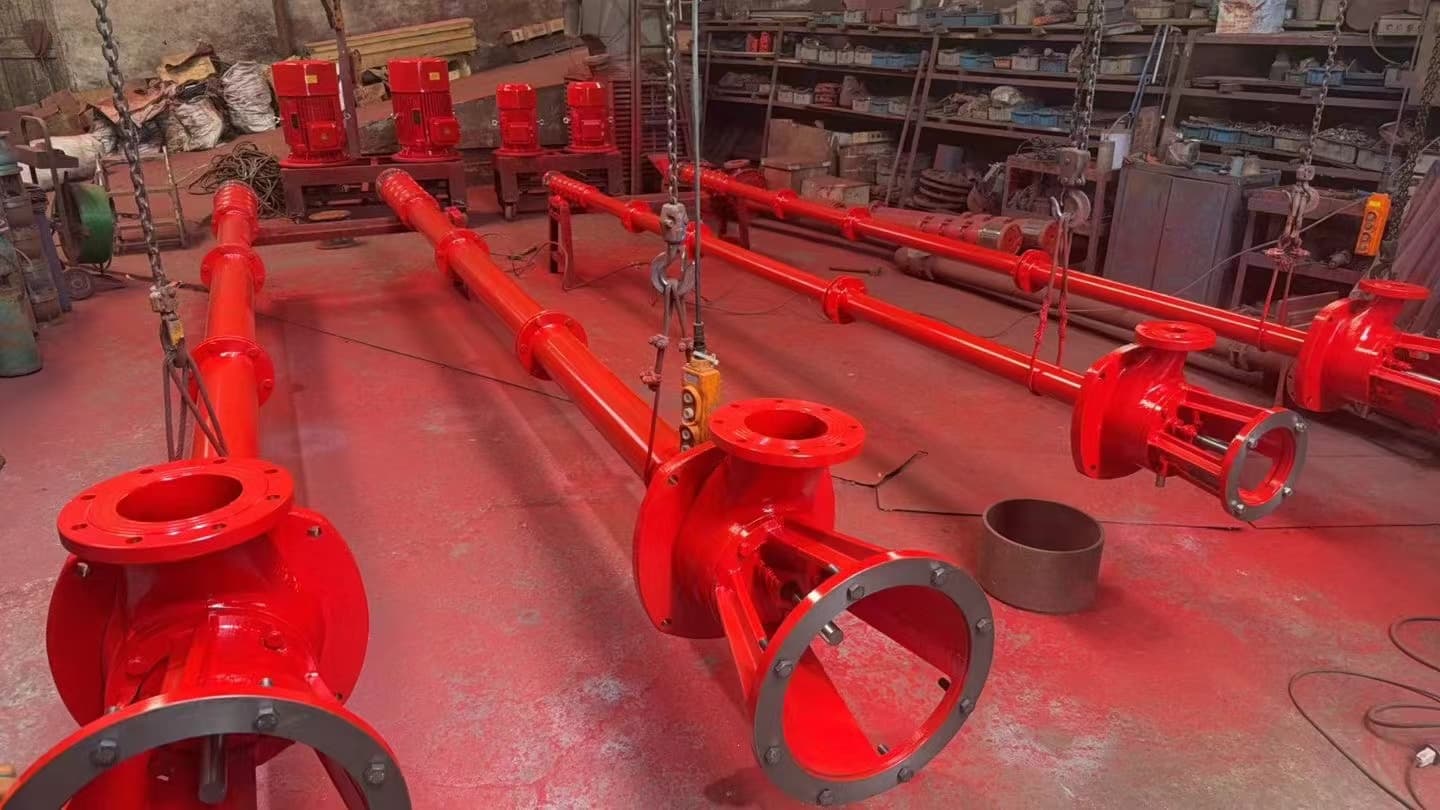
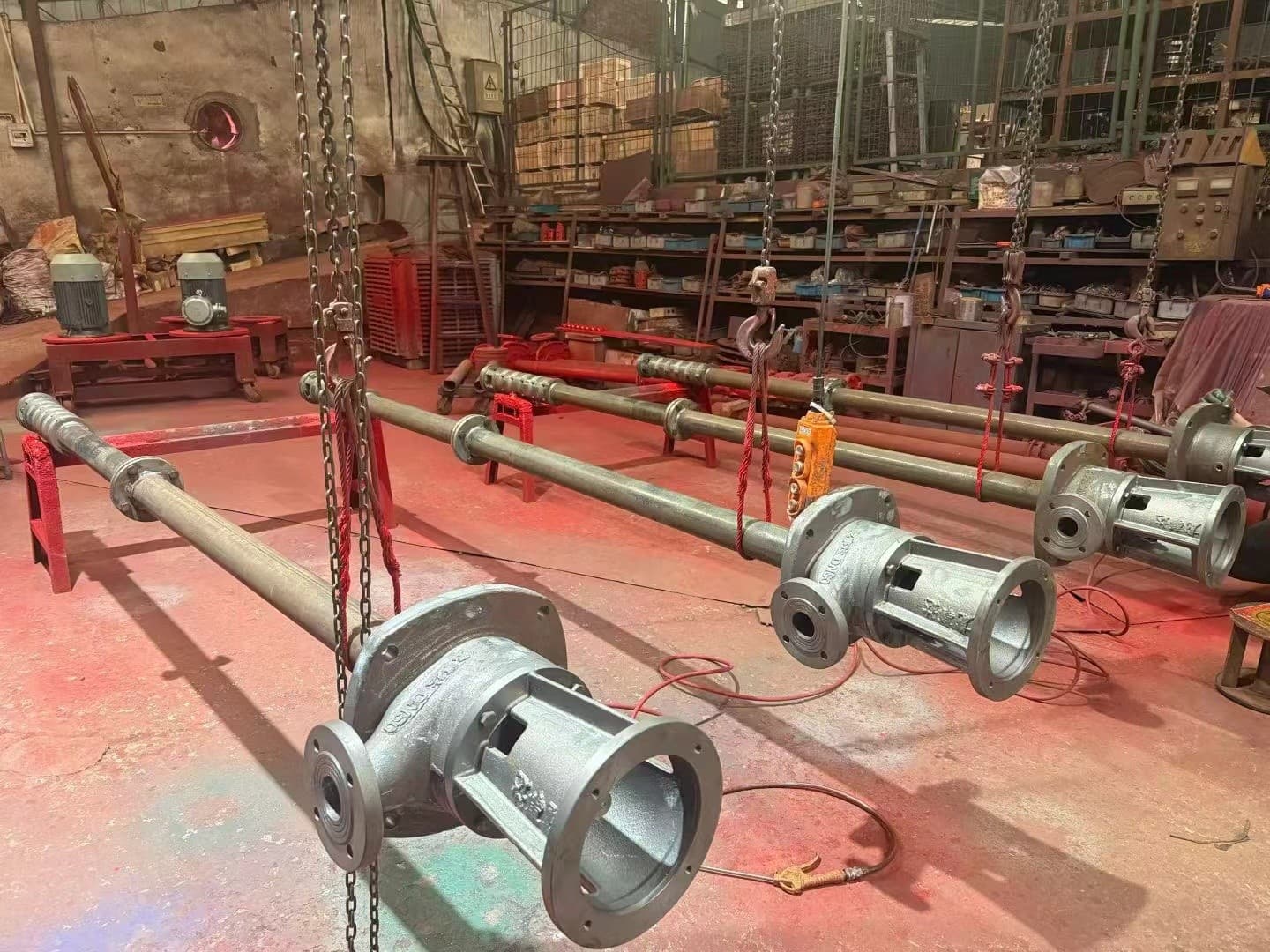 Deep Well Pumps