
Why Double-Channel Impellers Are Common in Sewage Pumps
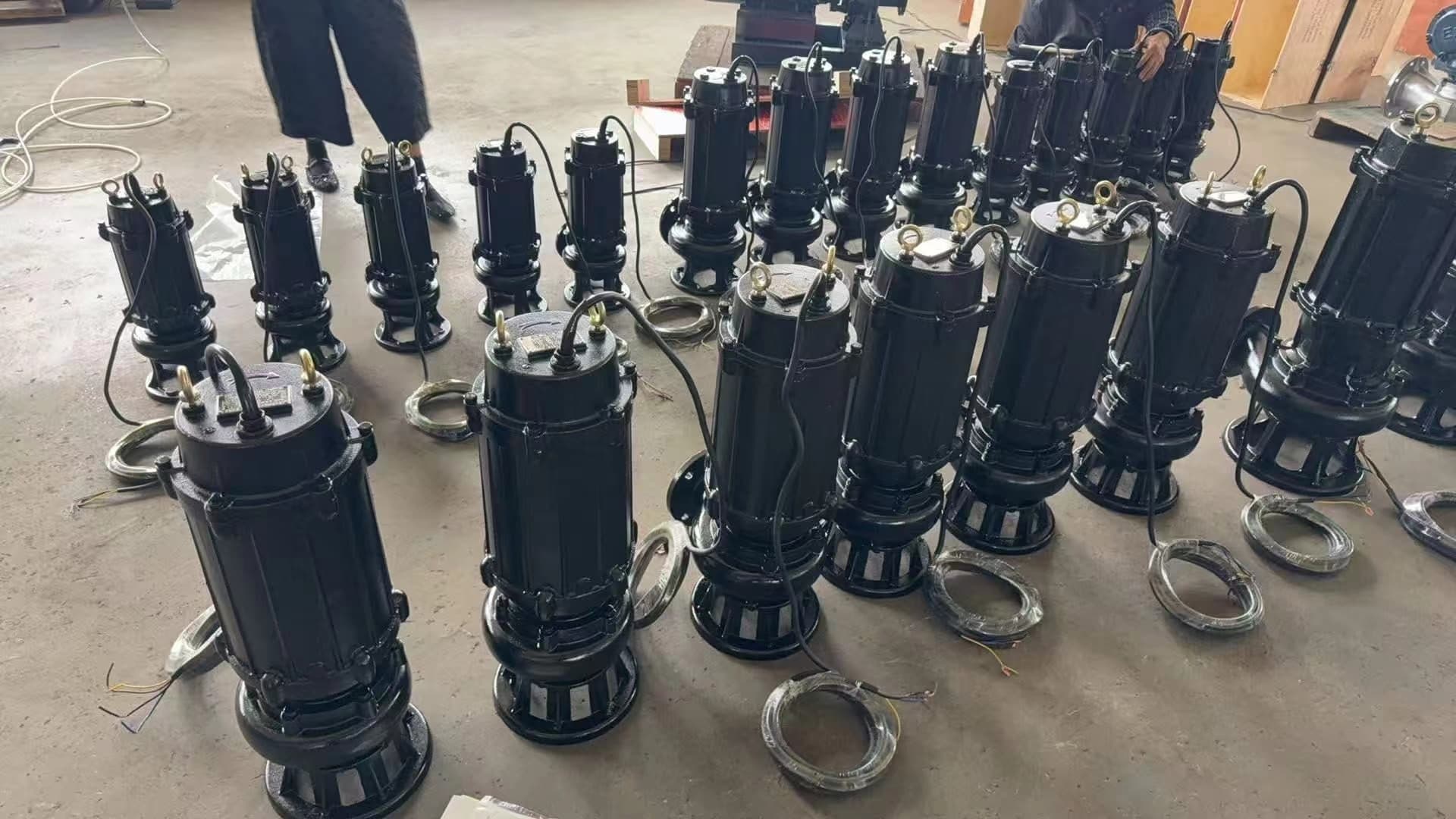
Why Do Many Sewage Pumps Use Double-Channel Impellers?
When selecting a submersible sewage pump, buyers often focus on flow rate, head, motor power and discharge size. However, the impeller design is equally important.
For wastewater containing solids and fibers, a conventional closed multi-vane impeller may not always be the right choice. Non-clogging channel impellers are designed to provide larger hydraulic passages while maintaining useful pumping efficiency.
Among these designs, the double-channel impeller is widely used in municipal and industrial wastewater pumping.
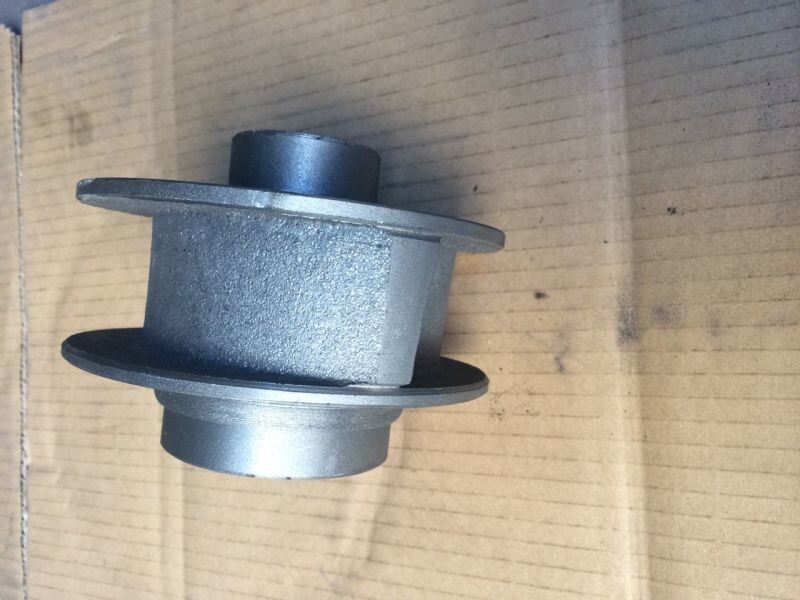
A Balanced Hydraulic Structure
The main structural difference is easy to understand.
A single-channel impeller has one main hydraulic passage. A double-channel impeller has two passages positioned symmetrically.
This symmetrical arrangement helps distribute the hydraulic load around the rotating assembly. When properly manufactured and dynamically balanced, the result can be smoother pump operation.
The technical comparison supplied for this application describes the double-channel design as having better running stability because of its symmetrical structure, while the single-channel design has greater mass imbalance and can generate more vibration.
Dynamic balancing is also recognized in commercial non-clogging sewage pump designs as an important part of smooth operation.
Efficiency Matters in Continuous Operation
Sewage pumps are often required to operate for long periods. In these installations, even a modest difference in hydraulic efficiency can become significant over the operating life of the pump.
The supplied technical data gives an indicative efficiency range of approximately:
Single-channel: 50%–55%
Double-channel: 55%–60%
The exact efficiency depends on the pump model, impeller geometry, speed, flow rate, head and motor selection, so these values should be treated as design ranges rather than universal specifications.
For a properly selected double-channel pump, the broader high-efficiency operating range can be useful where flow conditions change during the day.
Better Choice for Municipal and Industrial Wastewater
Municipal sewage systems and industrial wastewater systems can have changing operating conditions.
The liquid may contain a mixture of:
- Suspended solids
- Fibers
- Sludge
- Organic material
- Small solid particles
In these conditions, a pump needs more than simple high flow capacity. It needs a hydraulic design that can handle the wastewater while maintaining reliable operation.
This is one reason double-channel non-clogging impellers are commonly found in sewage pumping equipment. Major pump manufacturers offer single-channel, multi-channel and vortex designs because different wastewater characteristics require different hydraulic solutions.
What About the Chinese Market?
In the domestic Chinese sewage-pump market, double-channel non-clogging impellers are a very common configuration, particularly for WQ/QW-type submersible sewage pumps.
Chinese WQ/QW pump designs commonly offer either single-channel or double-channel impellers, with the double-channel configuration used where a combination of non-clogging performance, efficiency and stable operation is required.
This does not mean that every Chinese sewage pump uses a double-channel impeller. Single-channel, vortex and other hydraulic configurations are also widely available. The correct choice still depends on the actual wastewater and pump duty.
Cast Iron and 304 Stainless Steel
For standard sewage pumping, cast iron is a common impeller material.
For applications requiring additional corrosion resistance or a cleaner material surface, AISI 304 stainless steel is another practical option. Commercial wastewater pumps are available with both cast iron and stainless-steel channel impellers.
The material should be selected based on the wastewater composition, temperature, solids content and corrosion conditions.
Final Selection
A double-channel impeller is not automatically the correct solution for every sewage pump.
However, when the application requires a combination of:
non-clogging performance + hydraulic efficiency + balanced operation + long continuous running
the double-channel design is an important option to consider.
For municipal sewage, industrial wastewater and many general WQ/QW submersible sewage pump applications, it provides a practical balance between solids handling and pump performance.
Need a pump for your application?
Our engineers respond to technical inquiries within 24 hours.
Get a Quote