
Sand in Well Water: What It Does to a Deep Well Pump
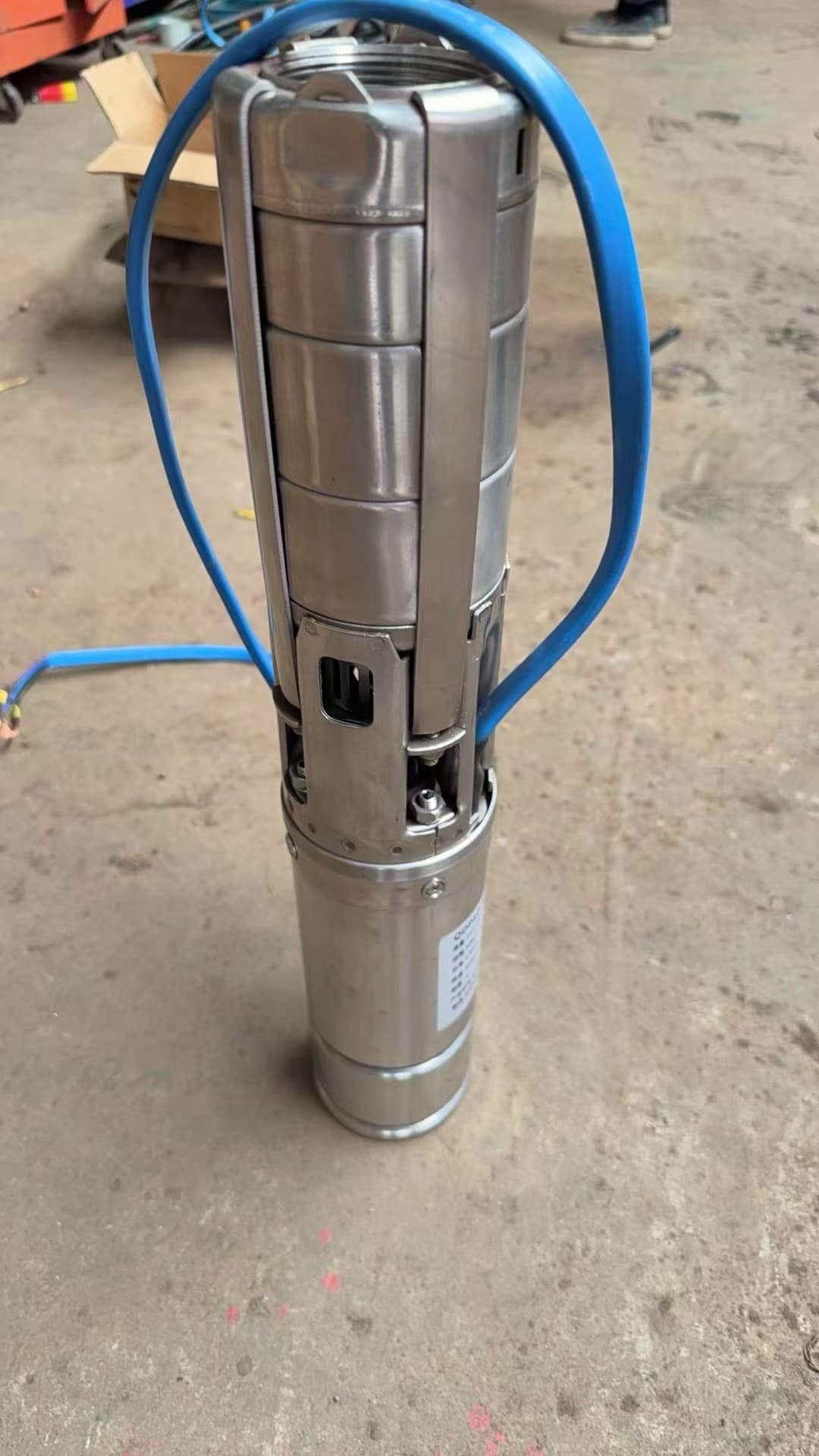
A deep well pump is built for clean water. Sand wears the impellers and guide bowls, opens up the clearances and eats into the bearings. Line-shaft deep well pumps are especially sensitive; their sand content should stay at about 0.01% or less.
Signs of a sandy well
- Sand settling in a bucket of water taken at the outlet
- Flow falling over a few months while the water level is unchanged
- Noise from the pump, or a current that creeps up
- Worn, rounded impeller edges when the pump is lifted
How to reduce the damage
- Develop a new well properly before the permanent pump goes in, so the fine sand is cleared from around the screen
- Do not set the pump right at the screen or near the bottom of the well; keep the motor at least 1 m above the bottom
- Avoid pumping a well harder than it can yield, which draws more sand
- If a line-shaft pump has pumped sandy water, flush it with clean water before stopping it
- Inspect the pump at every service and replace worn parts before they fail
Products in This Series
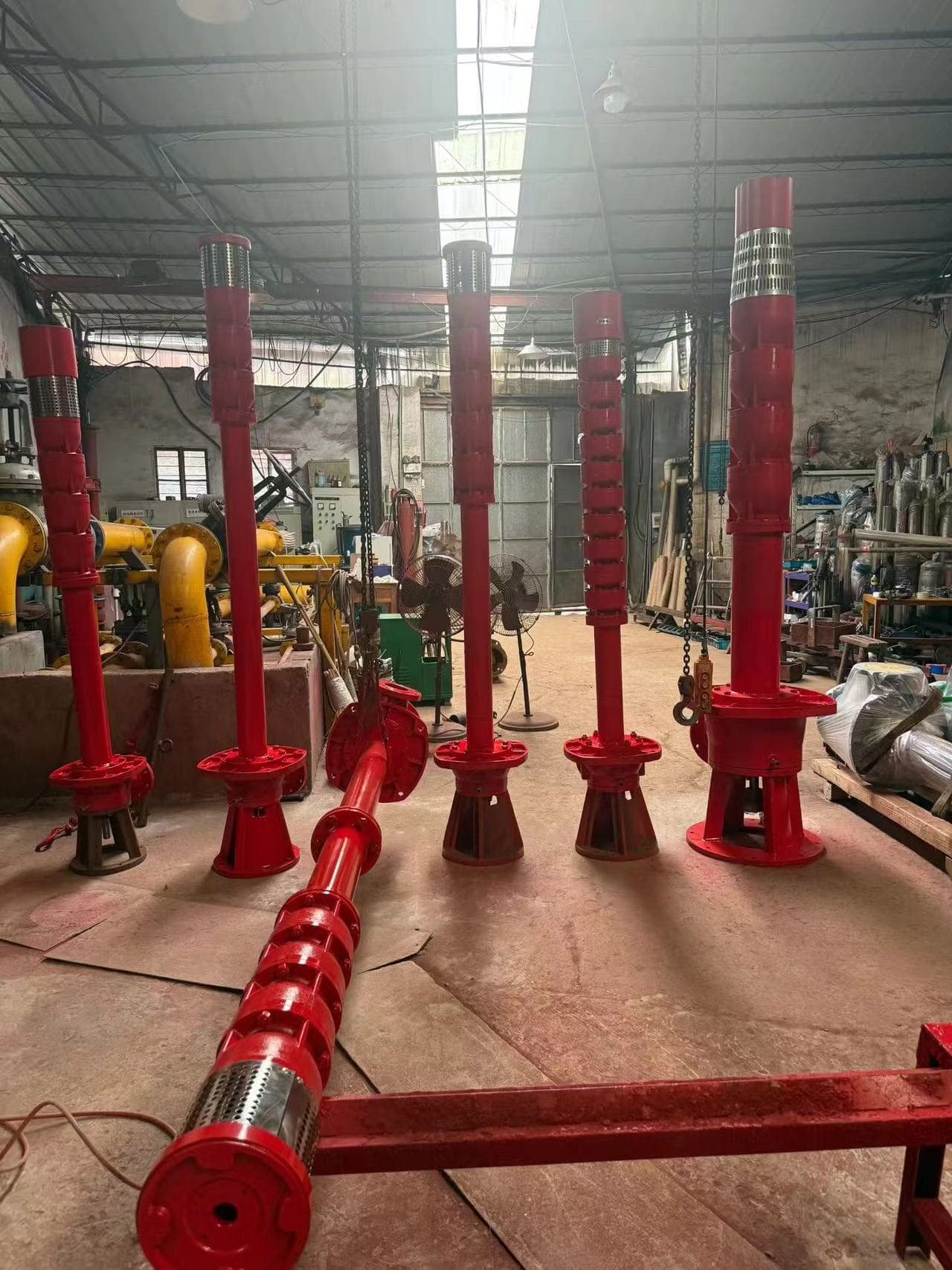 Deep Well Pumps
Custom-Built Deep Well Pumps: Motor Power, Impeller Size and Hole Spacing Made to Order
Deep well pumps built to your well: we set the motor power, impeller size and hole spacing to suit your borehole, your duty and your existing pipework.
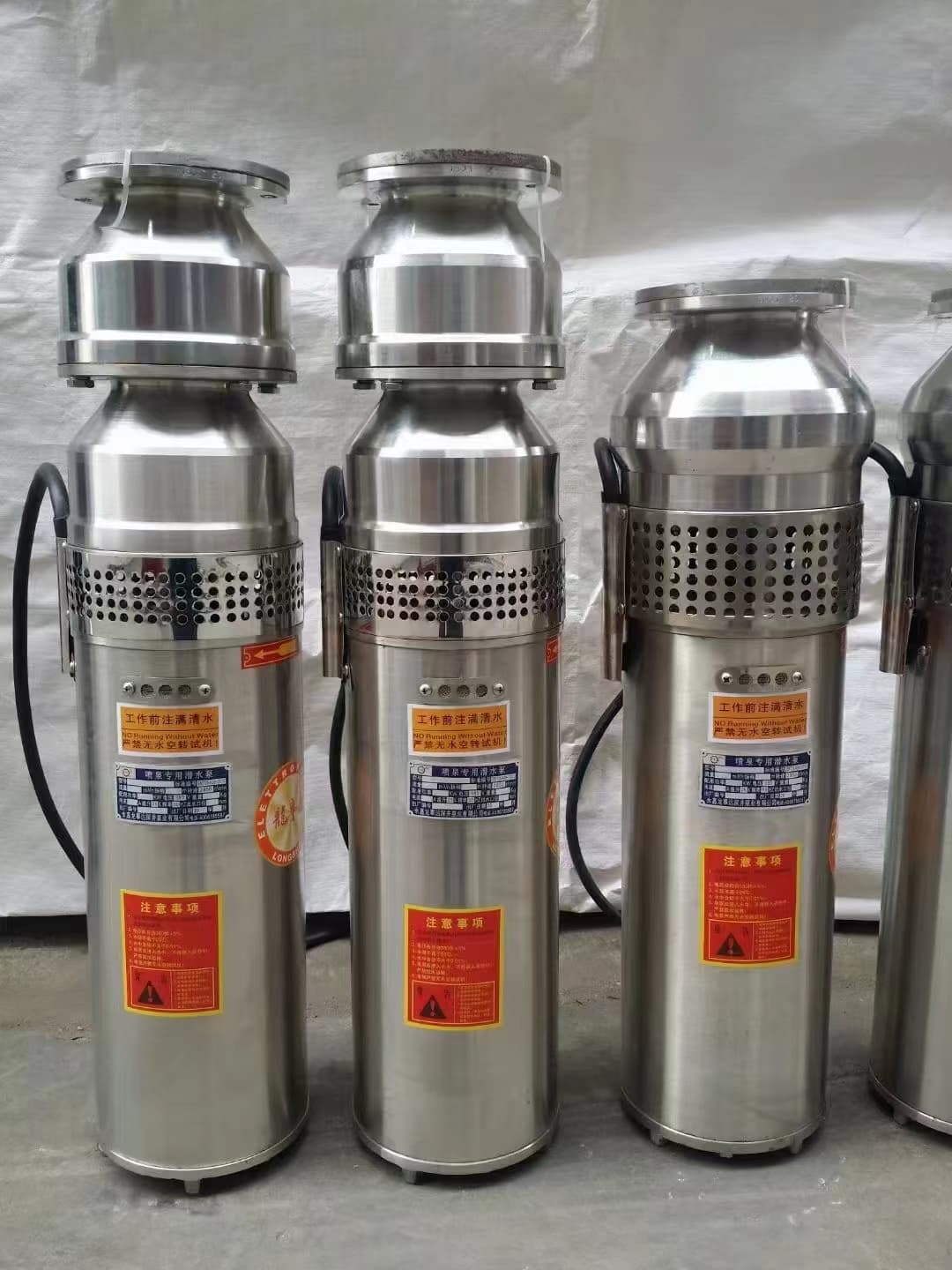 Deep Well Pumps
Fountain Pumps: Stainless Steel and 24 V Low-Voltage DC Models
Submersible fountain pumps in stainless steel, including 24 V low-voltage DC models for pools and water features where people are close to the water.
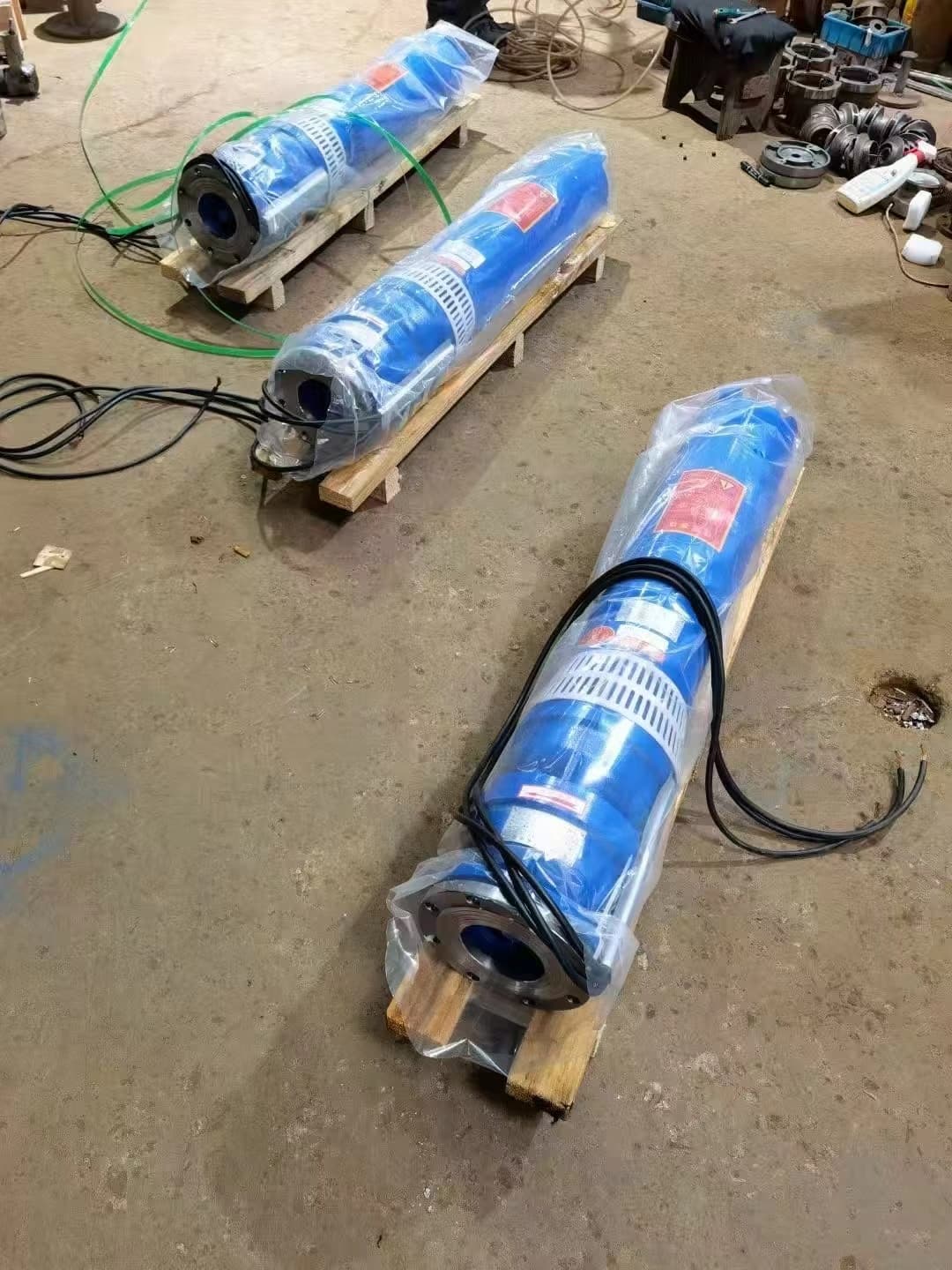 Deep Well Pumps
 for Construction Dewatering
Deep well dewatering lowers the groundwater around an excavation using a ring of wells and submersible pumps. How it works and how to choose the pumps.
Need a pump for your application?
Our engineers respond to technical inquiries within 24 hours.
Get a Quote