
Borehole Pump or Surface Pump? Why Deep Water Needs a Submersible
A pump on the surface does not really lift water by suction. It lowers the pressure at its inlet and lets the atmosphere push the water up. At sea level that push can hold up a column of only about 10.3 m, and pipe losses, water temperature and the pump’s own needs take a good part of that away.
| Water level below the pump | What to use |
|---|---|
| Up to a few metres | A surface pump or self-priming pump is simple and easy to reach |
| Around 5 to 7 m | A self-priming pump at the edge of its range; a submersible is safer |
| Deeper than that | A deep well submersible pump or a vertical turbine pump |
Why the submersible wins in deep wells
- It pushes the water up instead of pulling it, so depth is limited only by its head
- No priming and no suction pipe to leak air
- Nothing on the surface but the panel and the well head
Our article on why a self-priming pump cannot lift 8 m explains the suction limit in more detail.
Products in This Series
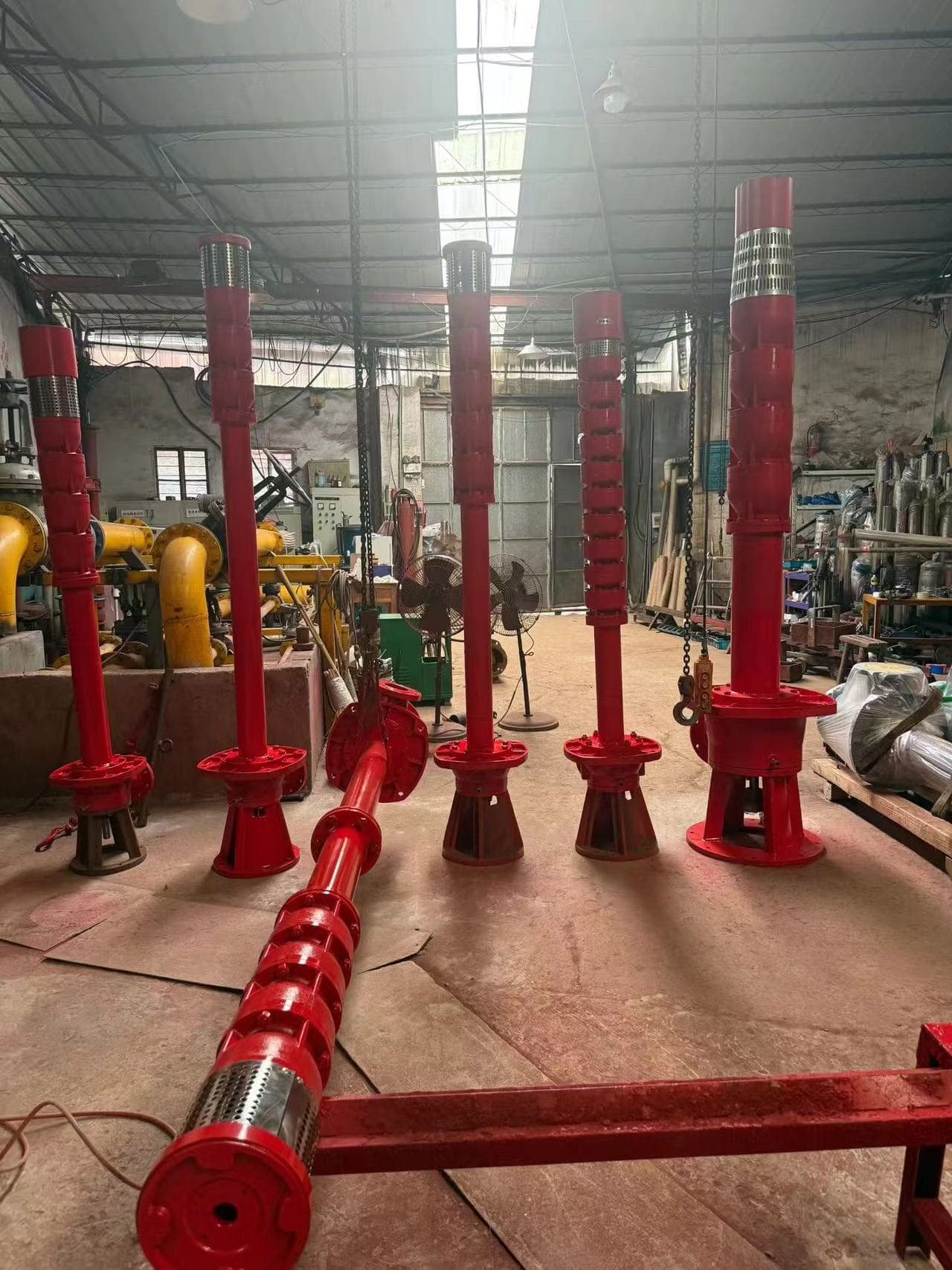 Deep Well Pumps
Custom-Built Deep Well Pumps: Motor Power, Impeller Size and Hole Spacing Made to Order
Deep well pumps built to your well: we set the motor power, impeller size and hole spacing to suit your borehole, your duty and your existing pipework.
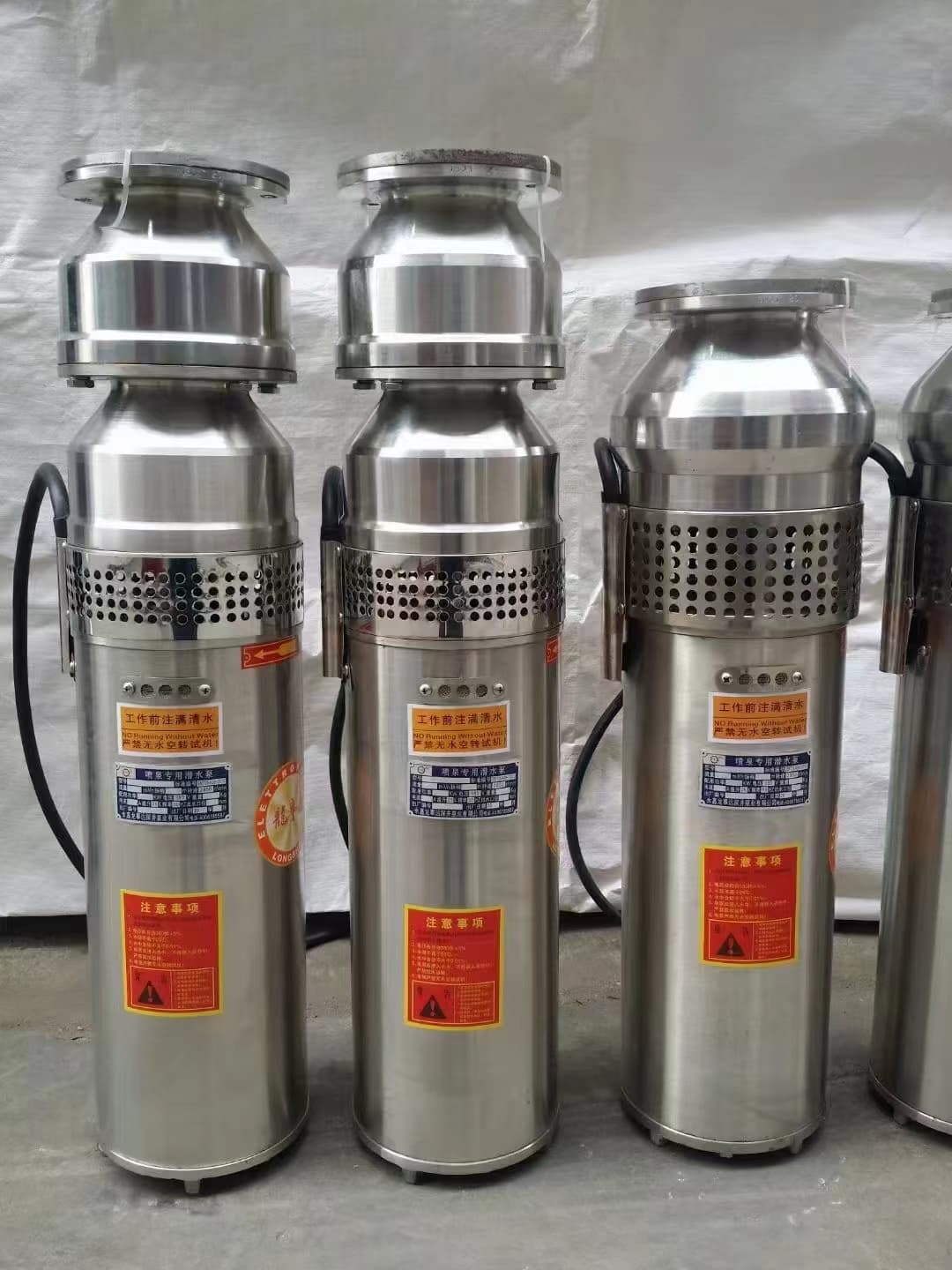 Deep Well Pumps
Fountain Pumps: Stainless Steel and 24 V Low-Voltage DC Models
Submersible fountain pumps in stainless steel, including 24 V low-voltage DC models for pools and water features where people are close to the water.
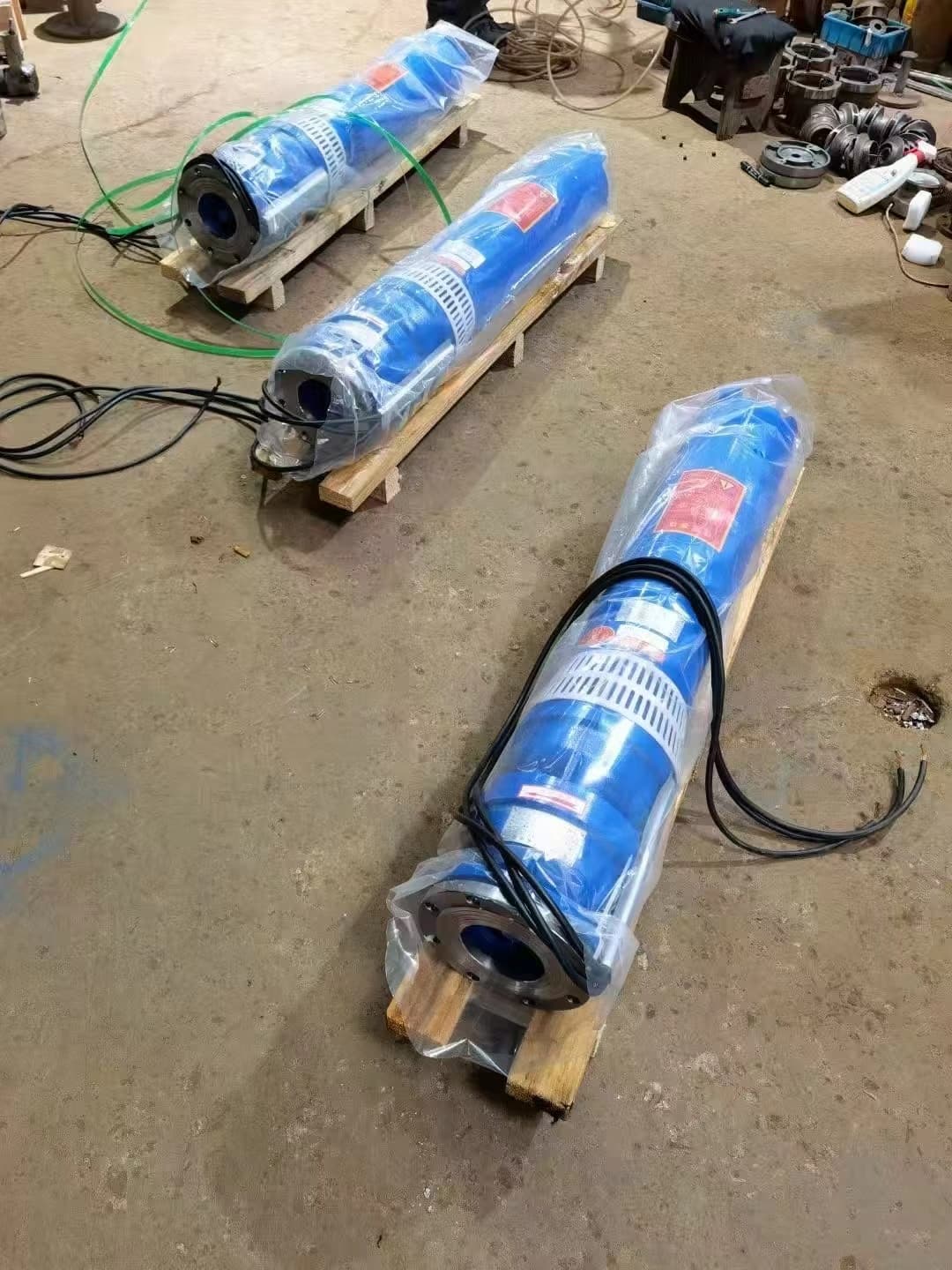 Deep Well Pumps
 for Construction Dewatering
Deep well dewatering lowers the groundwater around an excavation using a ring of wells and submersible pumps. How it works and how to choose the pumps.
Need a pump for your application?
Our engineers respond to technical inquiries within 24 hours.
Get a Quote