Textile effluent is a nasty combination for any pump: it’s warm, chemically loaded from dyes and auxiliaries, and thick with lint and thread. Cast iron doesn’t last long in it, and a pump that can’t pass fibre clogs by the end of a shift. This is a textbook case for a stainless steel ZWL direct-coupled self-priming sewage pump.
Why stainless here, not cast iron
Dyeing and finishing lines swing across a wide pH range and carry aggressive chemistry. A cast iron body copes with roughly pH 6–9; the stainless ZWL extends that to about pH 2–13, so it survives the acid and alkaline baths a dye house pushes down the drain. If you’ve been replacing pumps every few months on a dye-line, the material is usually why.
The ZWL also handles the medium up to around 80°C as standard (higher on special build), which matters when hot process water hits the sump.
And it still passes the lint
Beyond chemistry, textile effluent is full of thread and lint — classic fibre that wraps ordinary impellers. The ZWL’s non-clog passage clears fibre up to about five times the port diameter, so lint flows through instead of building into a choke. Add self-priming (no foot valve, primes itself after the first fill) and a compact dry-mounted install, and it fits a mill’s effluent pit cleanly.
Specs for dye-house effluent
- Material: stainless steel (pH 2–13) recommended
- Medium temperature: ≤80°C (to ~200°C special)
- Passable fibre length: up to ~5× port diameter (lint)
- Flow rate: 8–800 m³/h
- Head: 10–80 m
Send us your effluent’s pH range, temperature and flow, and we’ll spec a stainless ZWL that lasts.

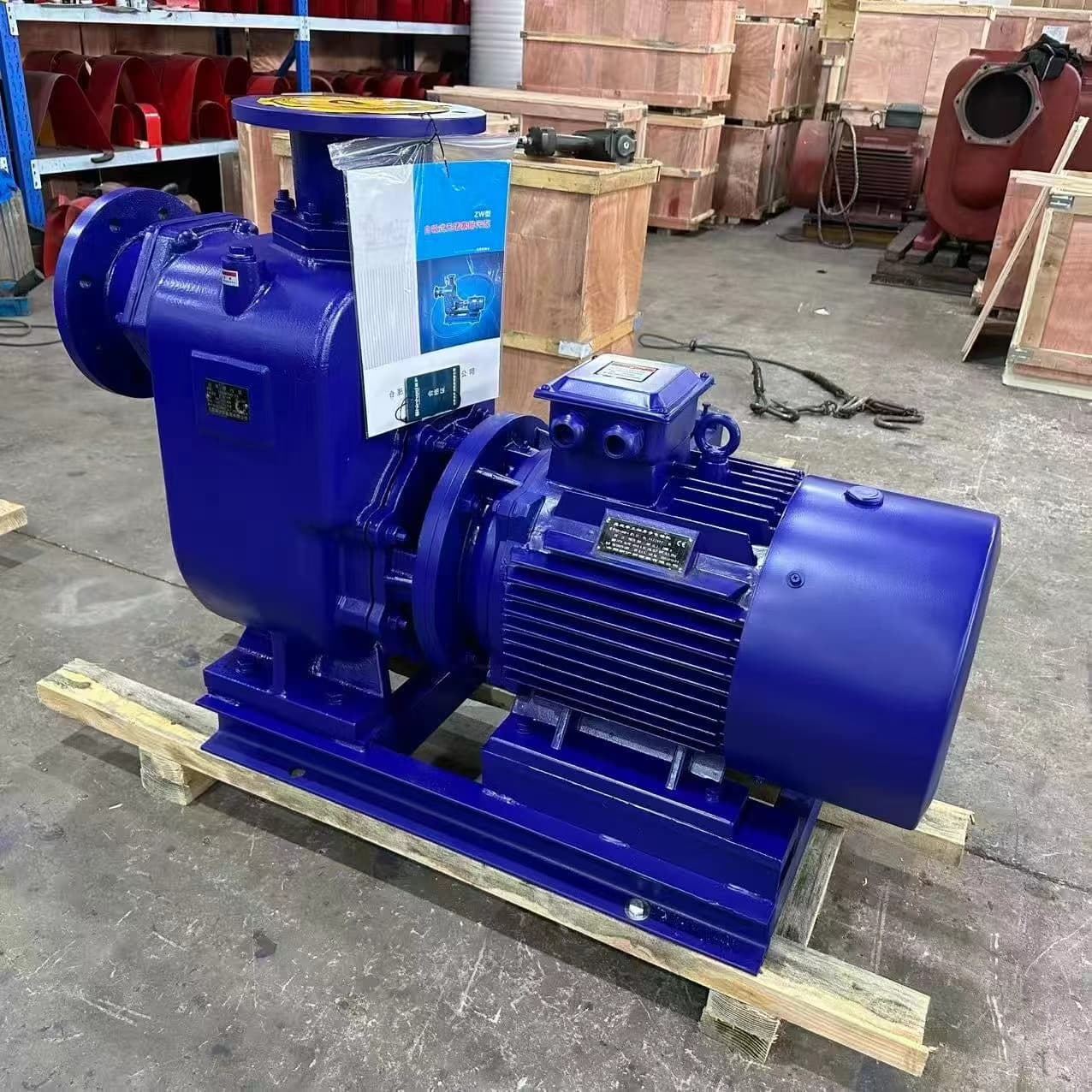
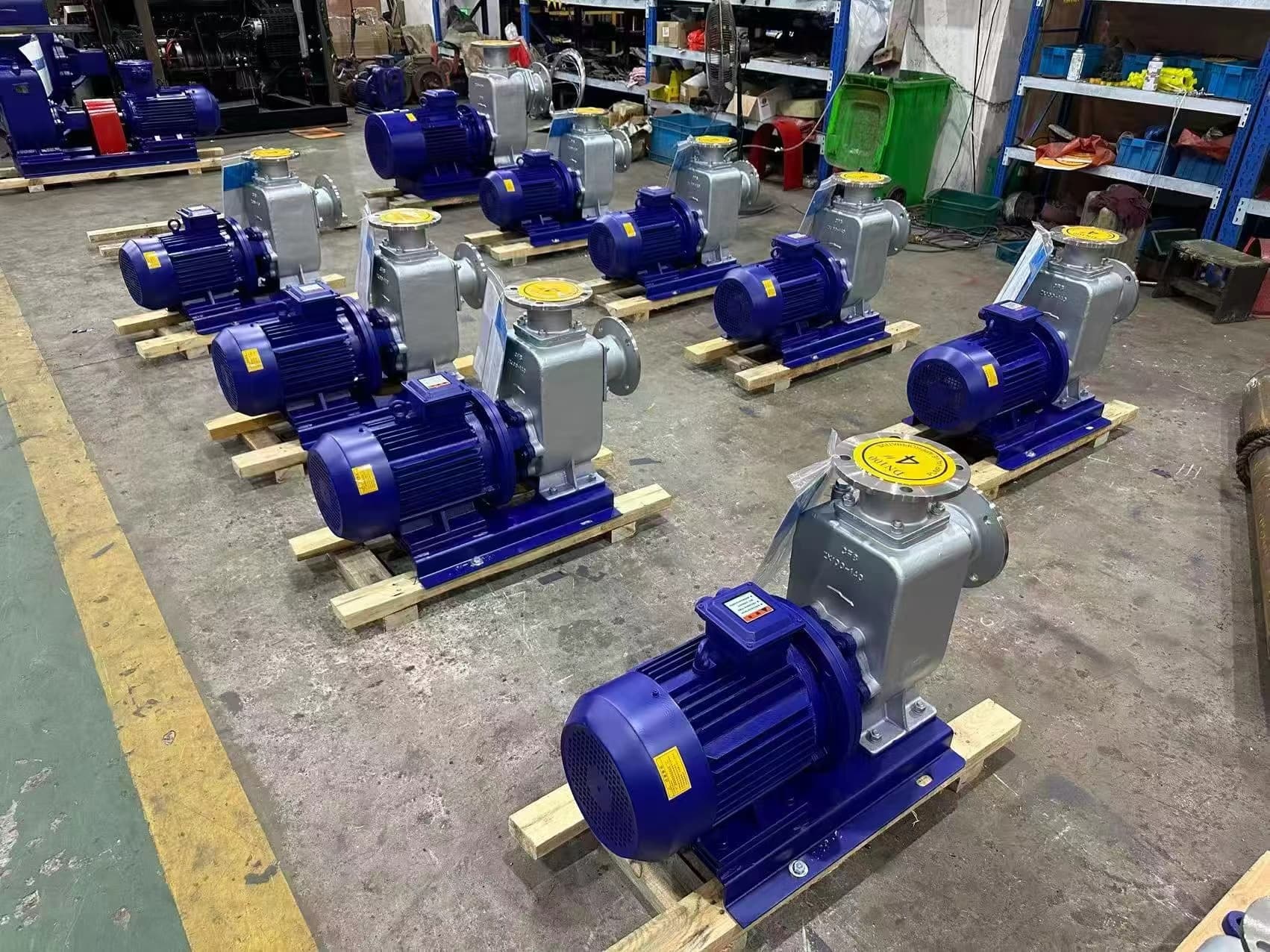 ZWL Direct-Coupled Self-Priming Sewage Pump