Article
Clogging is one of the most common concerns when pumping wastewater. Unlike clean water, sewage may contain cloth fibers, plastic fragments, sludge and other solids. The basic idea behind an anti-clogging submersible sewage pump is to give this material a clearer path through the pump instead of forcing it through a narrow, complicated passage.
How the Impeller Passage Handles Solids
The WQ/QW pump design described in the supplied technical material uses single-channel or twin-channel impellers. The hydraulic passage is shaped more like a smooth curved channel than a conventional multi-vane impeller passage. This geometry helps maintain a relatively open flow path and is intended to reduce the chance of fibers becoming wrapped around the impeller.
The source material states that the pump can handle fibrous material up to approximately five times the pump passage size and solid particles around 50% of the pump diameter, depending on the specific design. These figures are useful as a selection reference, but they should not be treated as a universal value for every model. The actual pump should be selected from its individual datasheet and the solids present in the application.
Balance and Vibration
Good hydraulic design also affects efficiency and vibration. The impeller is dynamically and statically balanced, while the volute is matched to the impeller. Together, these features are intended to provide smooth operation. A balanced rotating assembly is particularly useful in wastewater installations where the pump may operate for long periods and access for maintenance is inconvenient.
Sealing Design
Sealing is another part of the anti-clogging pump package. The documented design uses a double mechanical seal arrangement, with hard, corrosion-resistant tungsten carbide material described for the seal faces. An oil chamber separates the motor from the pumped liquid, while a leakage sensor can provide an early warning if water enters the chamber.
Control equipment can add another layer of protection. Depending on the project, an automatic control cabinet can provide protection against leakage, phase loss, short circuit, overheating and overload. Liquid-level control through a float switch can start and stop the pump automatically.
415 V, 50 Hz is a customization option, not a constraint the pump designer works around after the fact. Confirm it early, alongside the duty point, and the motor selection stays straightforward rather than becoming a late change.

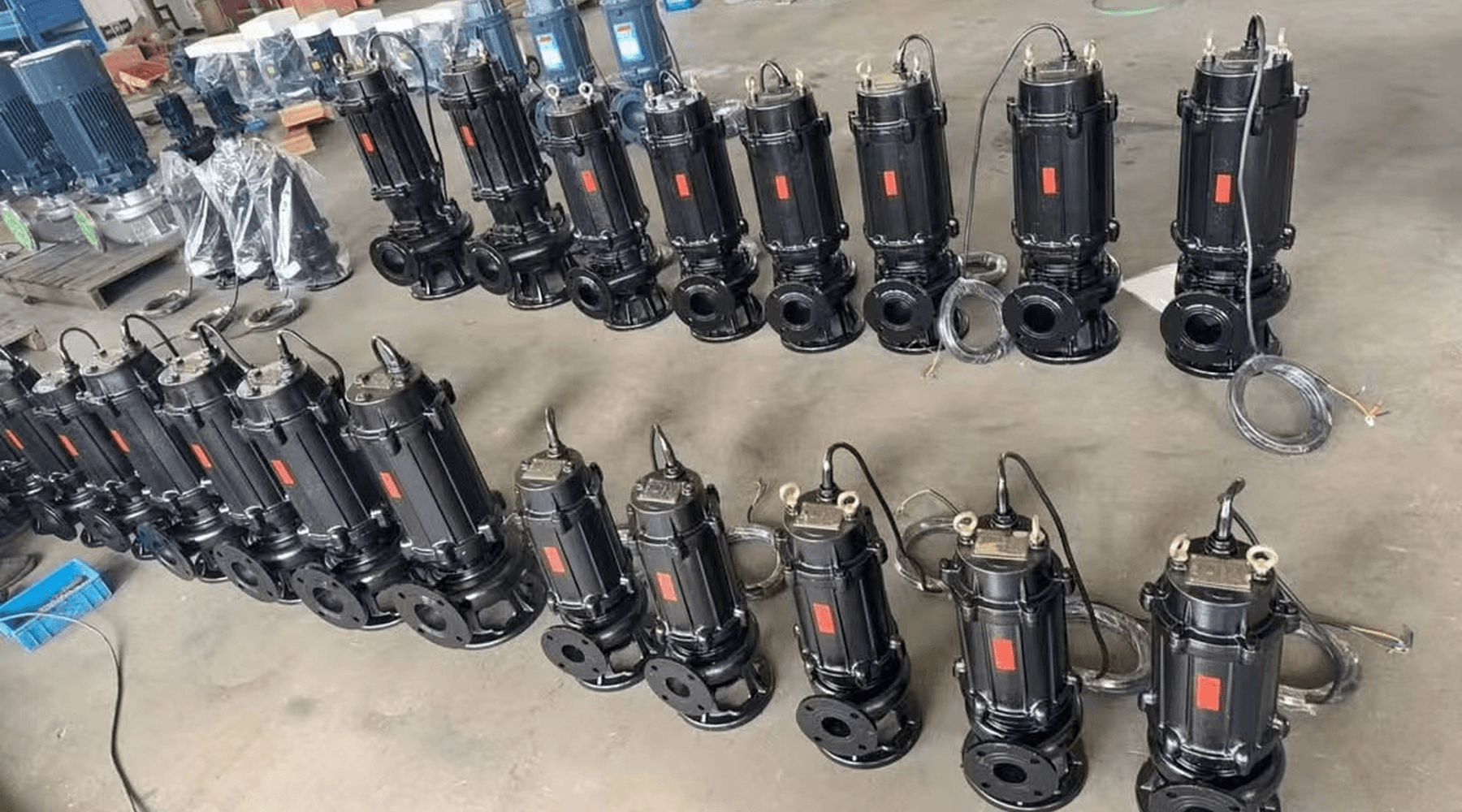
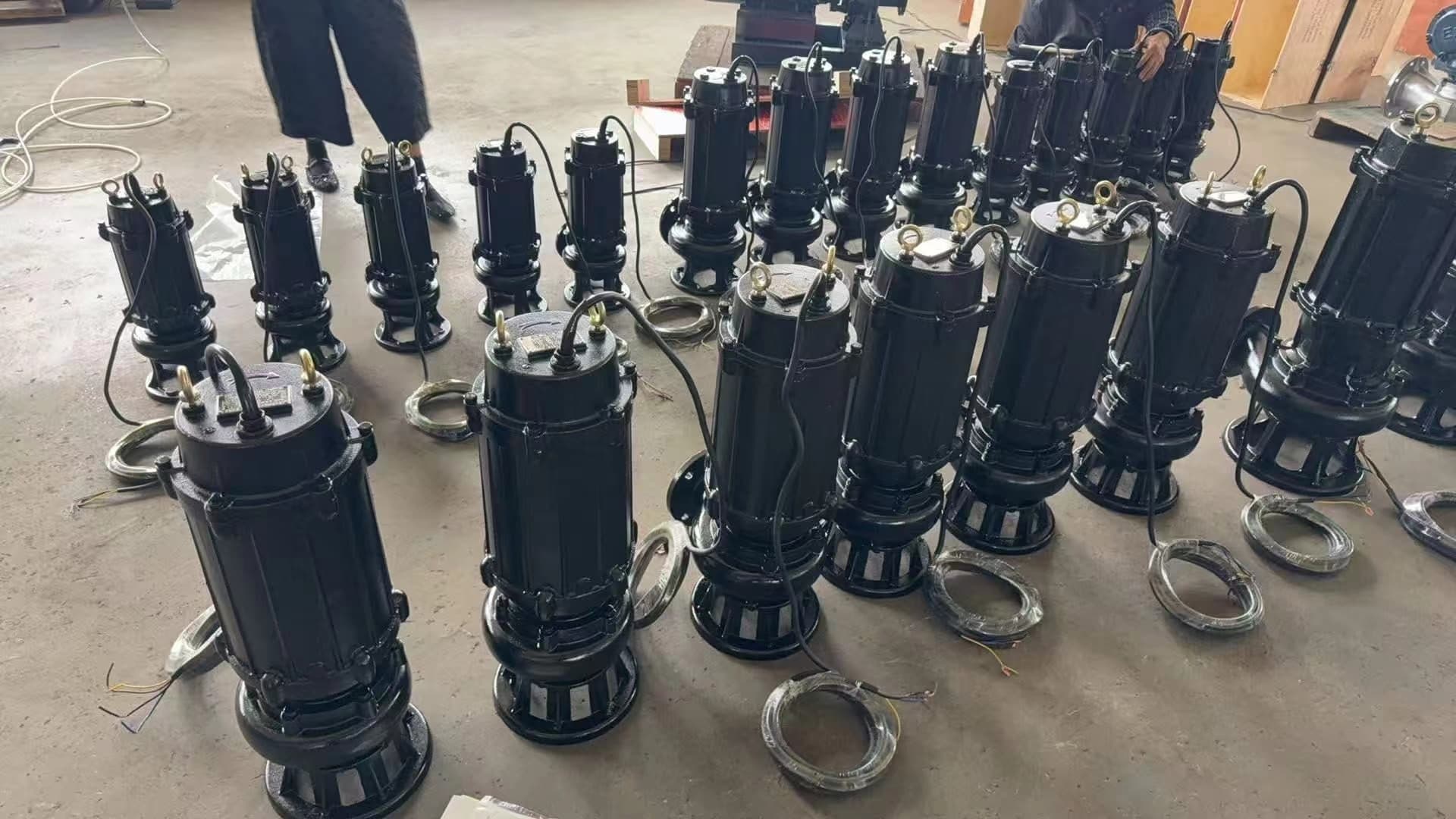 Submersible Sewage Pumps
