
Sizing Suction & Discharge Pipe for a ZWL Pump
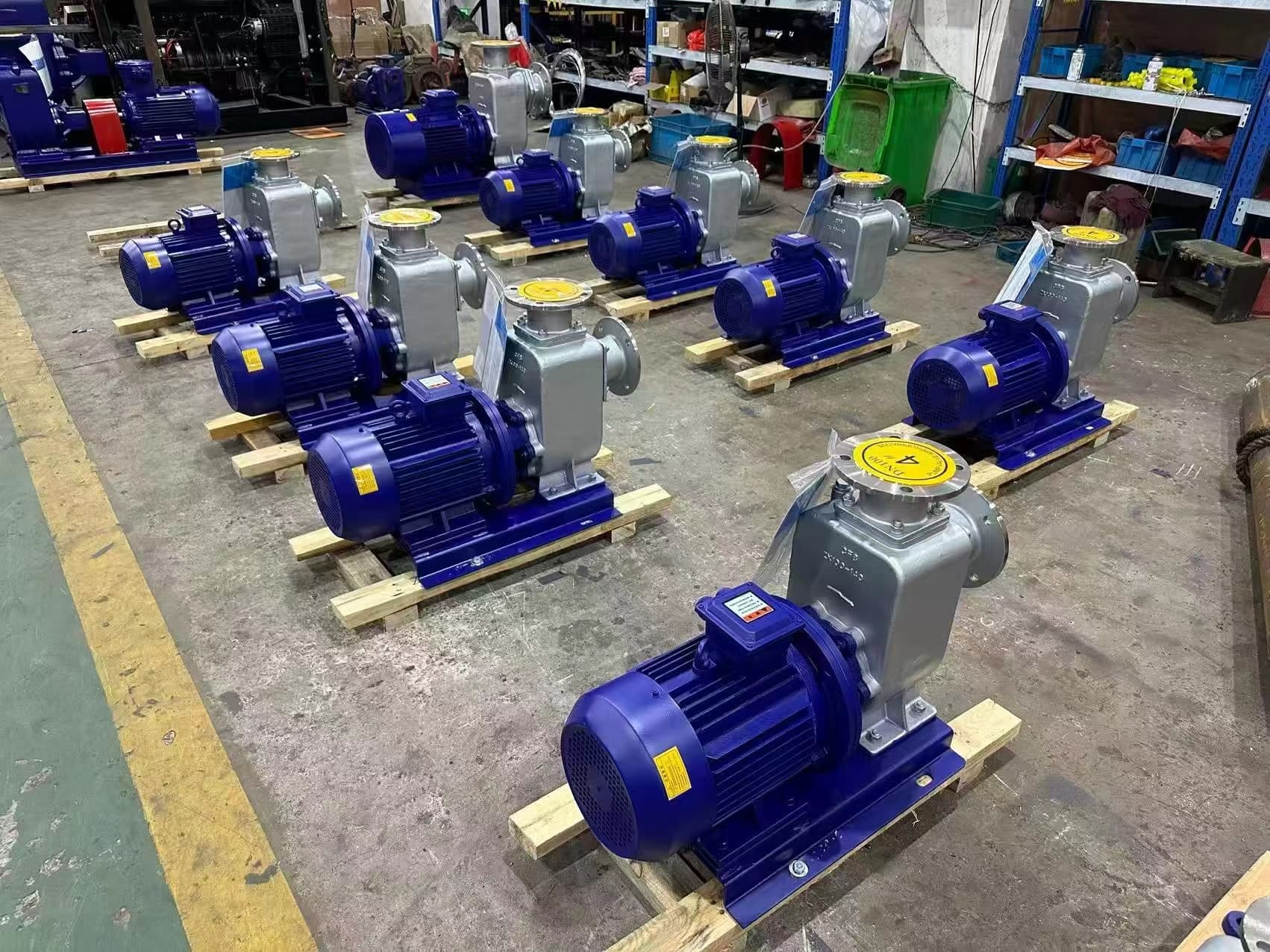
You can buy the right pump and still get poor results if the pipework fights it. On a ZWL direct-coupled self-priming sewage pump, the suction and discharge lines have a big say in how fast it primes and whether solids keep moving. Here’s how to size them sensibly.
The suction line — priming depends on it
The suction side is where most trouble starts, so:
- Use full port size or larger. Never neck the suction down below the pump’s inlet — a restricted suction slows priming and starves the pump.
- Keep it short. Aim for a suction pipe run of up to about 10 m, and keep the vertical lift within 4.5–5.5 m. The shorter and lower, the faster and more reliably it primes.
- Minimise bends and avoid high points that trap air.
- Make every joint airtight. An air leak on the suction side is the number-one cause of “won’t prime.”
- Fit a strainer with an open area about 2–3 times the pipe’s cross-section, so it doesn’t restrict flow.
The discharge line — keep solids moving
On the discharge side, the goal is enough velocity to carry solids without wasting head to friction:
- Don’t undersize it. Too small a discharge means high friction (lost head) and, at low flow, solids can settle and block the line.
- Don’t grossly oversize it either — too low a velocity lets solids drop out. A discharge around the pump’s port size is usually the right starting point.
- Support the pipework independently. The pump body must never carry pipe loads — that causes leaks and cracks.
Pipe-sizing reference
- Suction: full port size or larger, ≤10 m run, ≤4.5–5.5 m lift, airtight, few bends
- Strainer: open area ~2–3× pipe cross-section
- Discharge: around port size — enough velocity to carry solids, not so small it chokes on friction
- Pipework: independently supported, no load on the pump
- Range: 8–800 m³/h, DN25–DN300
Send us your layout — lift, pipe length and bends — and we’ll confirm the pipe sizes along with the pump.
Products in This Series
ZWL Direct-Coupled Self-Priming Sewage PumpCold-Weather & Freeze Protection for a ZWL Pump
A self-priming pump holds liquid inside — which can freeze in winter. Here’s how to protect a ZWL pump in cold weather so it primes when you need it.
ZWL Direct-Coupled Self-Priming Sewage PumpRunning Multiple ZWL Pumps in Parallel or Standby
When one pump isn’t enough or downtime isn’t an option, ZWL pumps run in parallel or duty/standby. Here’s how to set that up sensibly.
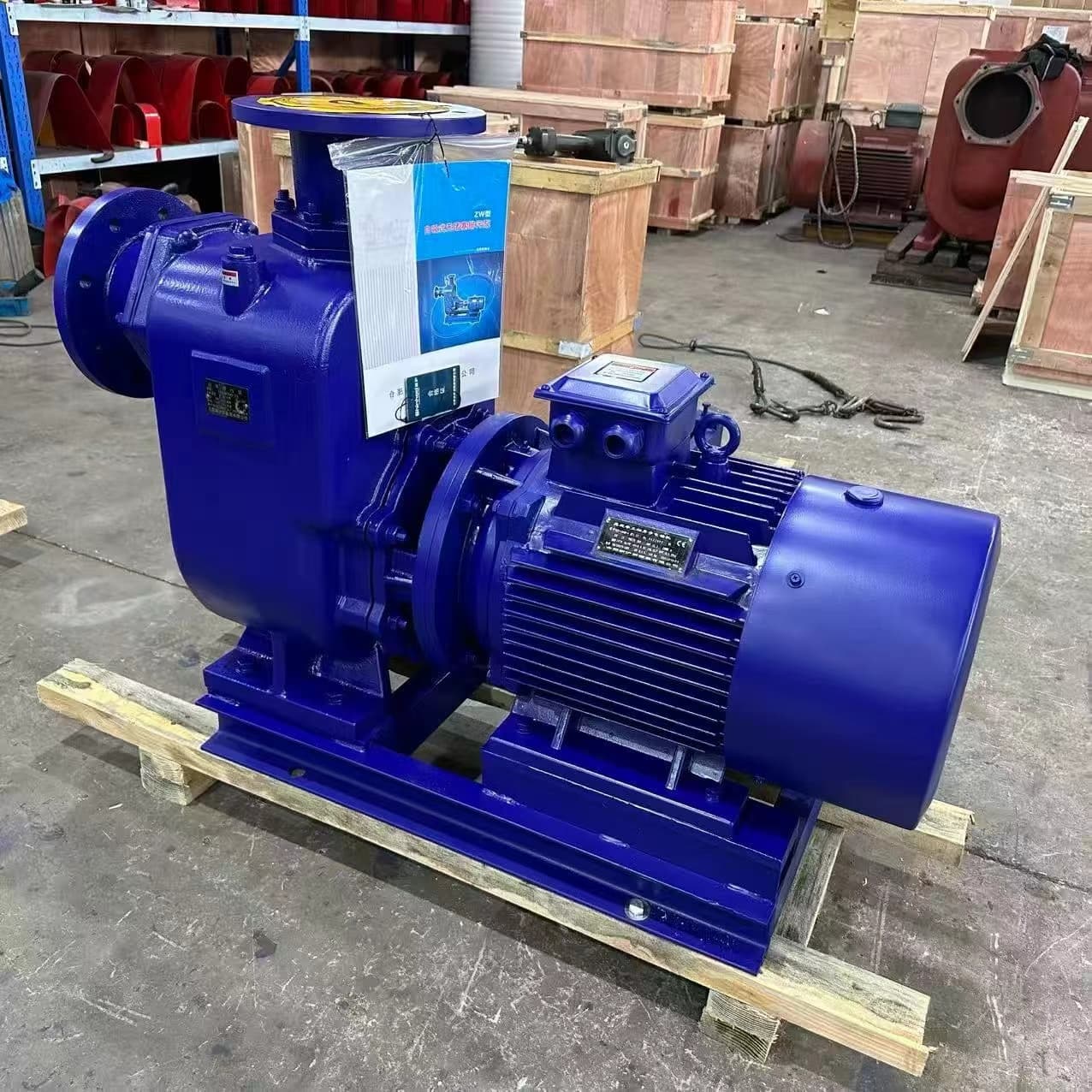 ZWL Direct-Coupled Self-Priming Sewage Pump
ZWL Spare & Wear Parts: Impeller, Seal, Wear Ring
Which ZWL pump parts wear, and which spares to keep on the shelf? A practical guide to impeller, mechanical seal, sealing ring and bearings.
Need a pump for your application?
Our engineers respond to technical inquiries within 24 hours.
Get a Quote