
Duty and Standby Pumps: How a Two-Pump Station Works
October 22, 2026 2 min read Haquan
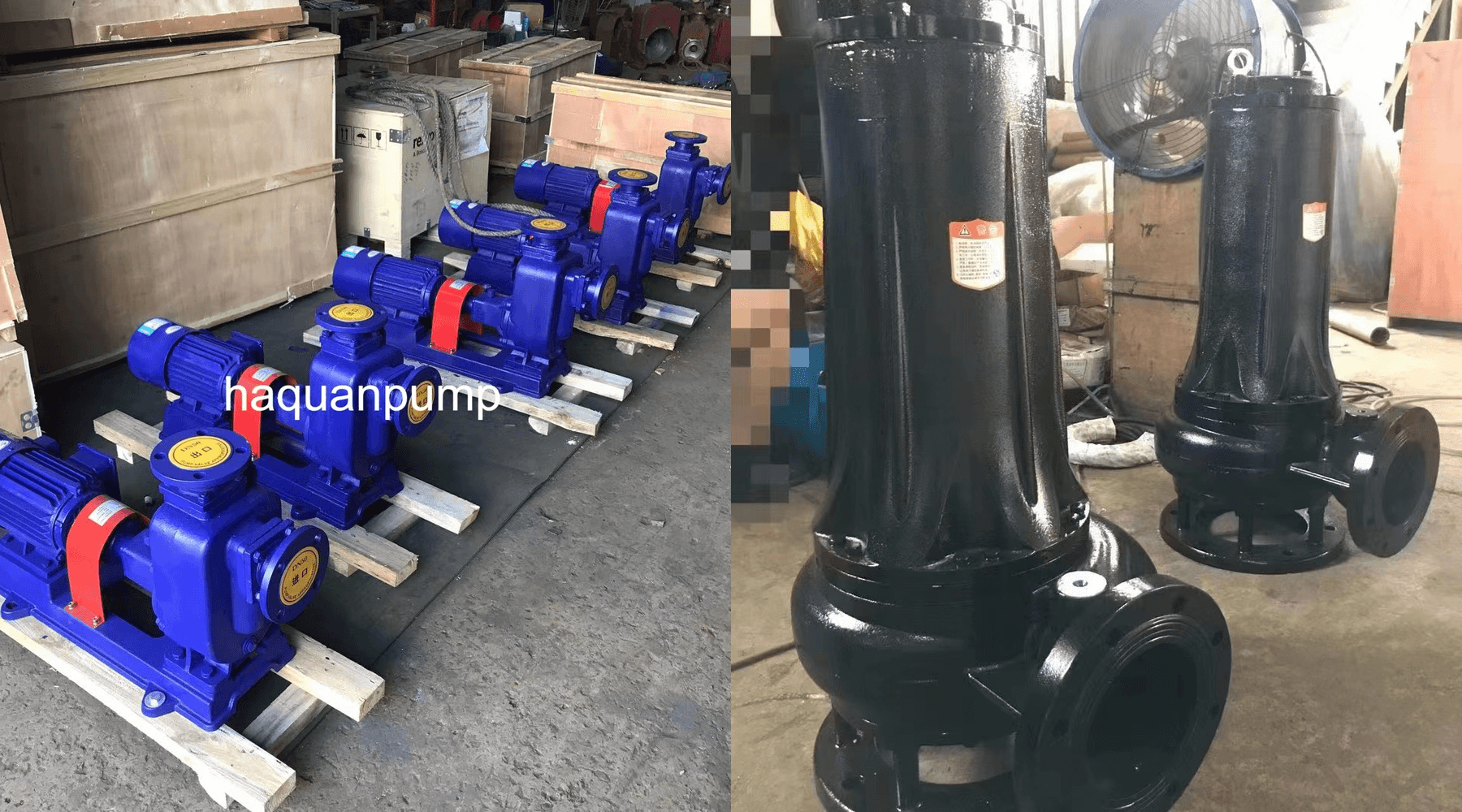
A single pump is a single point of failure. If it blocks or trips at night, the pit overflows. That is why most municipal, commercial and industrial sewage stations use two pumps: one on duty and one on standby.
How it works
- Each pump on its own is sized for the full design flow. This is often written as 1 + 1 or 2 x 100%.
- The duty pump starts and stops on the normal float levels.
- If the level keeps rising past the start level, a higher float brings in the standby pump. This covers a failed duty pump or an unusually large inflow.
- The control panel swaps the duty and standby roles after each cycle. This alternation spreads the running hours evenly, and it proves that the standby pump actually works.
- A high-level alarm warns the operator before the pit overflows.
Float settings for two pumps
| Float | Function |
|---|---|
| Stop | Both pumps stop (pumps still fully submerged) |
| Start duty | Duty pump starts |
| Start standby | Second pump starts if the level keeps rising |
| High alarm | Alarm signal |
Practical points
- Give each pump its own check valve and isolating valve, so one pump can be removed while the other keeps running.
- Guide rail couplings make it possible to lift a pump out without entering the pit.
- Keep the pumps far enough apart that they do not disturb each other’s inlet flow.
- Use identical pumps, so spare parts are interchangeable.
In a large pit, the size of the pumps decides the layout, so it helps to have the installation drawings before the civil work starts. Send us the pit size and the inflow, and we will suggest a pump pair.
Need a pump for your application?
Our engineers respond to technical inquiries within 24 hours.
Get a Quote