
Sewage Pump Pit Design: Start, Stop and Alarm Levels
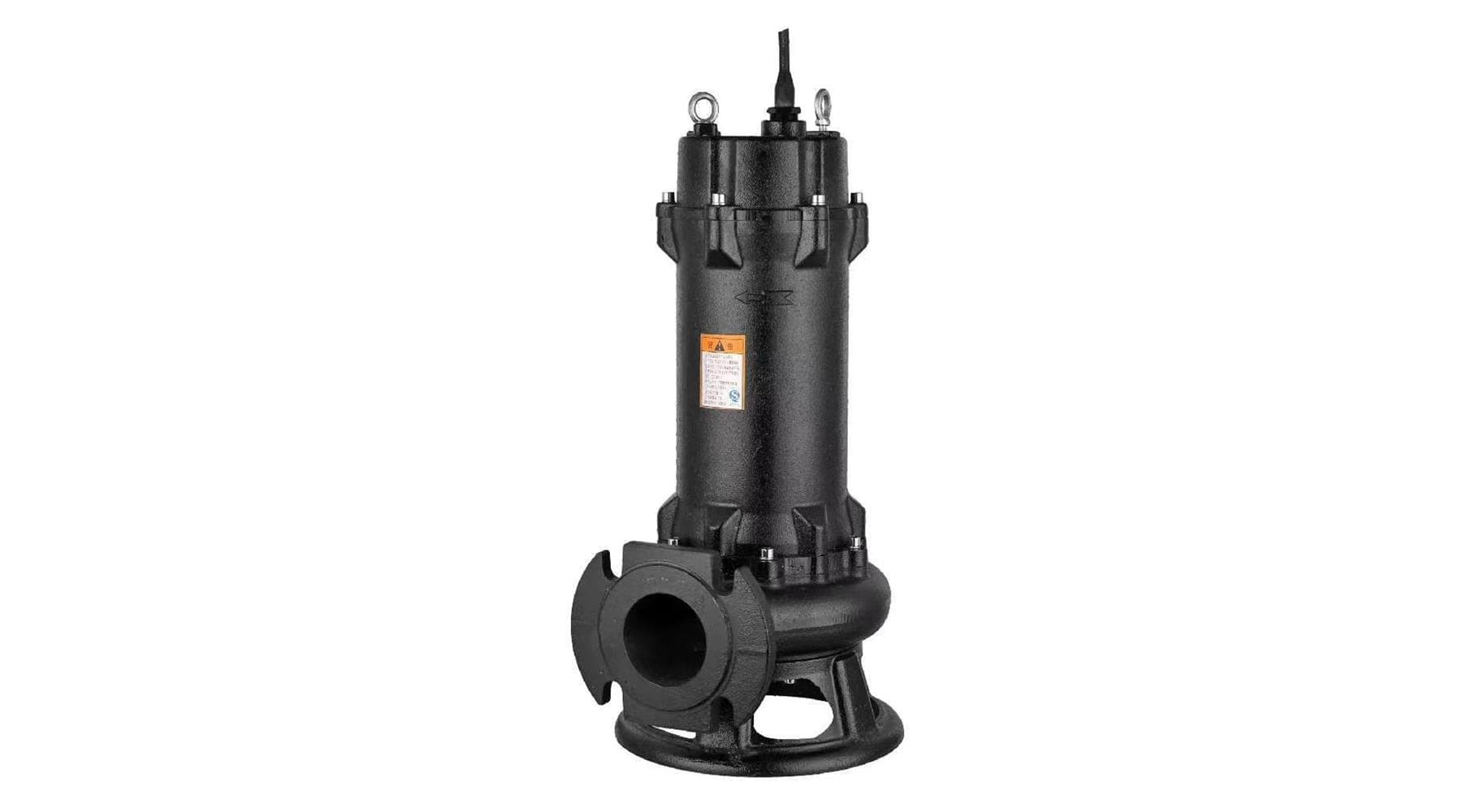
A well-designed pit makes the pump last longer. The two numbers that matter most are the levels where the pump starts and stops, because the volume between them decides how often the pump runs.
The four levels
| Level | What happens | How to set it |
|---|---|---|
| Stop level (low) | Pump switches off | Above the top of the pump motor, or at least where the pump stays fully submerged |
| Start level (high) | Pump switches on | Far enough above the stop level to give enough working volume |
| High alarm | Alarm or standby pump starts | Above the start level, below the inlet pipe |
| Low cut-out | Emergency stop | Below the stop level, protects against dry running if a float sticks |
Working volume and short cycling
Every start heats the motor and wears the contactor. If the working volume between start and stop is too small, the pump starts and stops many times an hour. A common rule is to size the working volume so the pump runs at least a few minutes per cycle, and to keep the number of starts per hour within the motor manufacturer’s limit. Larger motors allow fewer starts per hour than small ones.
A worked example
In a recent tender for a power plant, the wastewater pond measured 2 m by 1 m by 1.5 m deep, with an inflow of about 1.5 m³/h. The levels were set with the pump stopping at 300 mm and starting at 1200 mm above the floor. The 900 mm between them holds about 1.8 m³, roughly an hour of inflow, so the pump starts only about once an hour. The bottom of the pond below the stop level was kept as dead volume to collect fine sludge, so the pump does not draw it in.
Other points to check
- Bring the inlet pipe in away from the pump and the floats, so incoming water does not trigger them or drive air into the pump.
- Leave room around the pump for lifting it out, and a pit opening large enough for the pump with its discharge bend.
- In larger pits, a sloped floor towards the pump reduces settled solids.
- For important stations, plan for two pumps working in turn.
Need a pump for your application?
Our engineers respond to technical inquiries within 24 hours.
Get a Quote